



Starmer and Trump Hold First Talk Since Tensions Over Iran
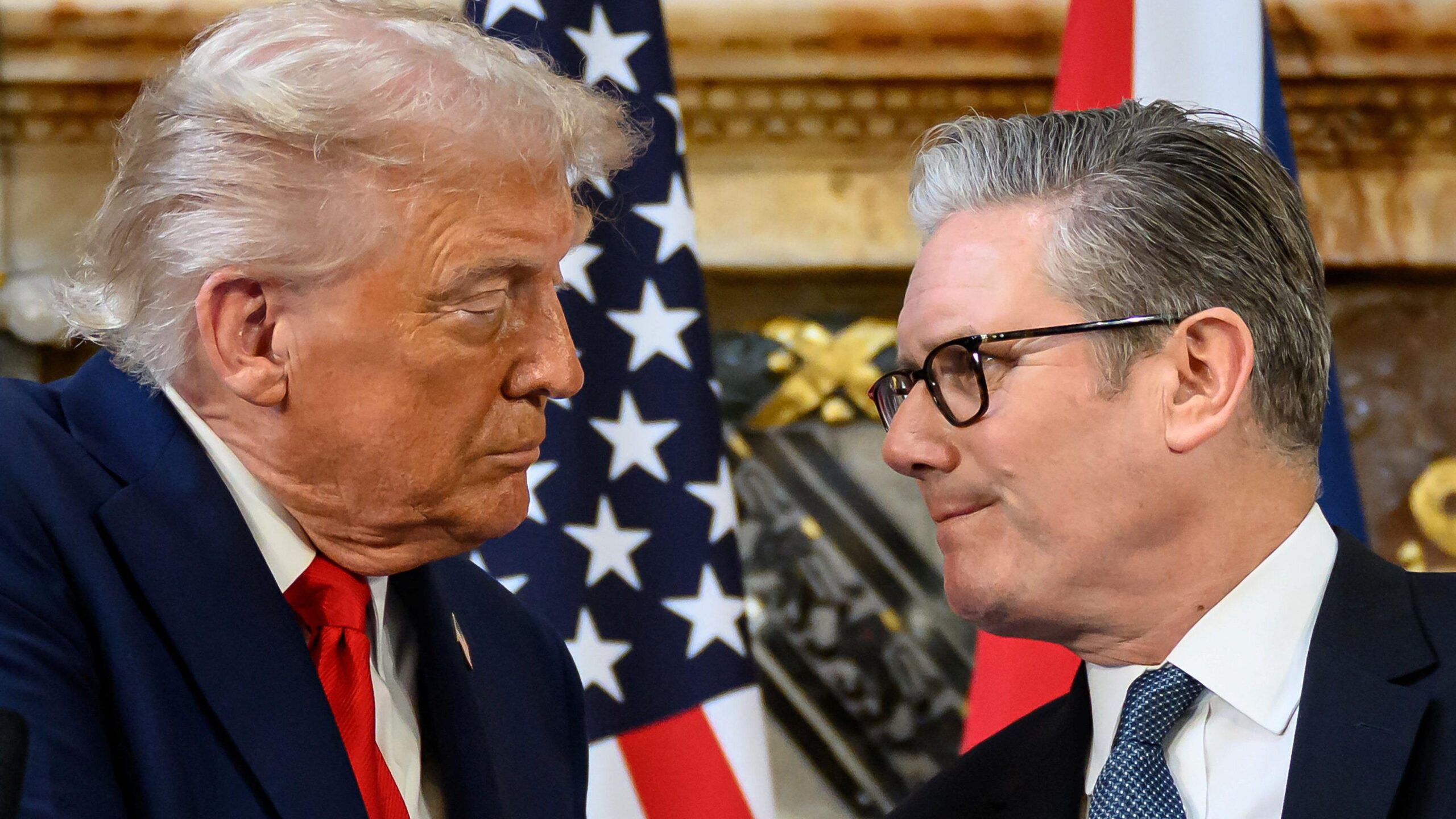
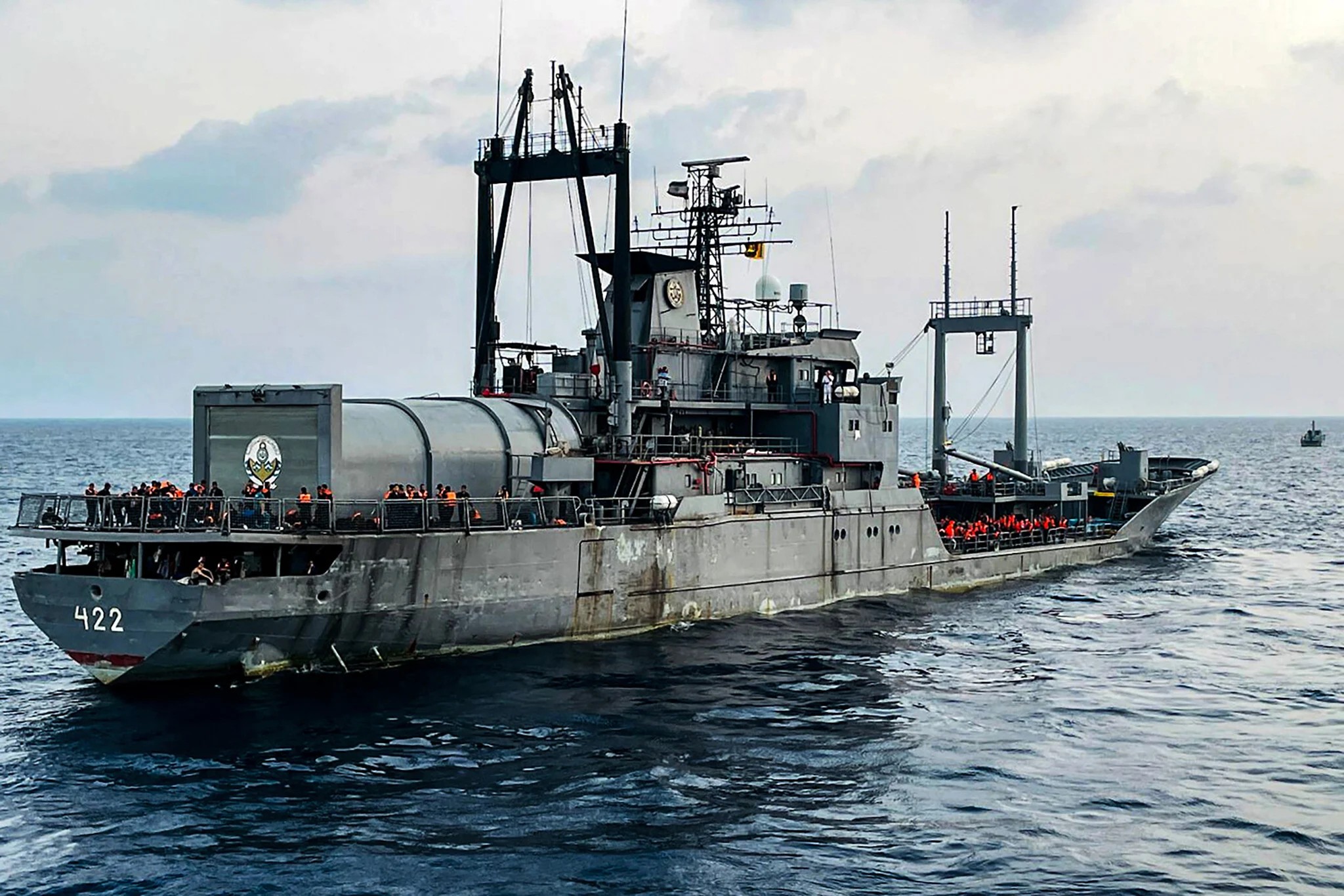
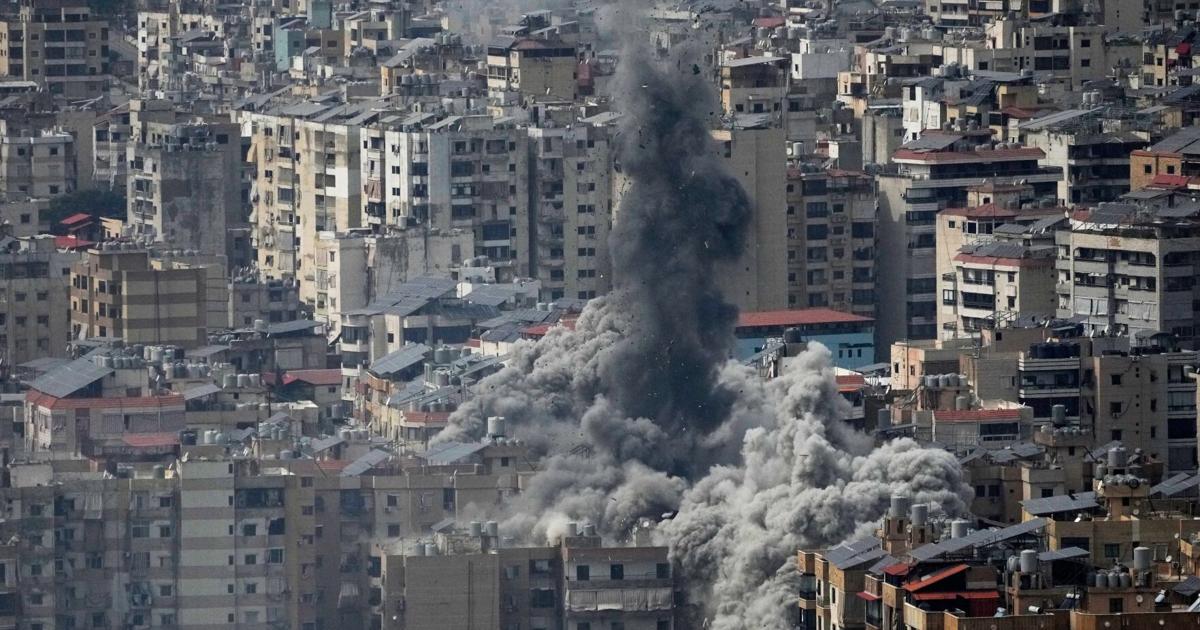
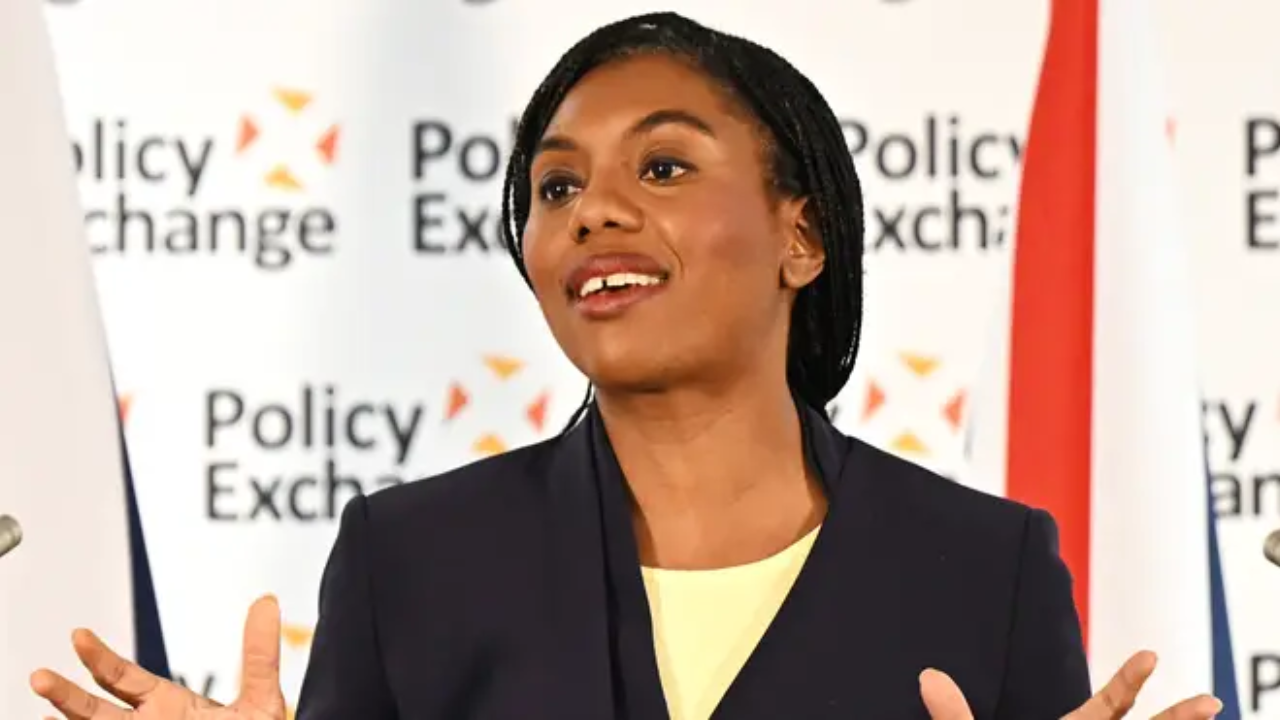
In a tense but crucial conversation, UK Prime Minister Keir Starmer and former U.S. President Donald Trump spoke for the first time since Trump publicly criticised Starmer’s stance on the Middle East conflict, particularly regarding U.S. actions in Iran. The call, which took place on Sunday, aimed to address growing concerns over military coordination and diplomatic strategy amid escalating regional tensions.
Trump’s earlier public comments had sharply criticised Starmer for what he described as a delayed and insufficiently supportive position on U.S. military operations. The criticism, made on social media, drew attention on both sides of the Atlantic and sparked political debate in the United Kingdom about Britain’s role in the conflict.
During the phone call, Starmer emphasised the UK’s commitment to collective defence and highlighted the continued use of Royal Air Force bases in support of allied operations. He also conveyed condolences over recent casualties in the conflict, underlining the human cost of the ongoing hostilities. According to Downing Street, the discussion focused on areas of shared strategic interest rather than dwelling on past disagreements, signalling a willingness to cooperate despite prior public friction.
Analysts note that the conversation reflects Starmer’s careful balancing act: maintaining close ties with the U.S. while adhering to Britain’s legal and diplomatic frameworks. While the UK has allowed defensive operations from its bases, it has avoided direct participation in offensive strikes, a stance that has generated both domestic and international scrutiny.
The call also underscores the broader geopolitical stakes. As tensions in the Middle East continue to escalate, the UK and U.S. must navigate complex military, diplomatic, and humanitarian challenges together. Political commentators suggest that maintaining open lines of communication between Starmer and Trump will be key in managing the crisis effectively, even as policy differences persist.
Domestic reactions in the UK have been mixed, with some praising Starmer’s cautious approach and others calling for stronger alignment with the U.S. The phone call appears to have calmed immediate tensions and reaffirmed that, despite public disagreements, dialogue between the two nations remains ongoing.
As the situation in the Middle East evolves, observers say this exchange could play a pivotal role in shaping future coordination between London and Washington, balancing strategic interests with the need for measured responses amid an unpredictable conflict.