


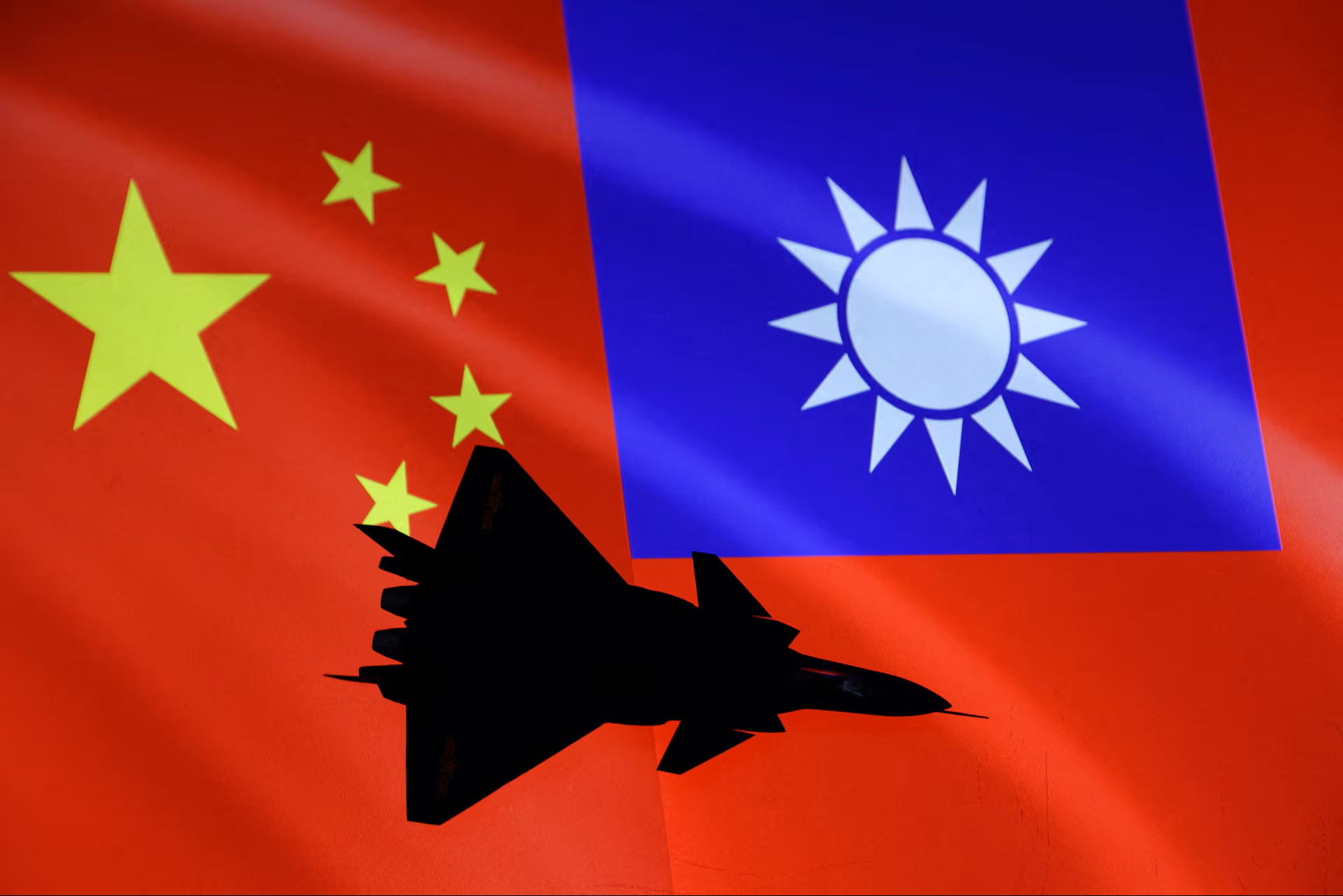
Large-scale Chinese aircraft return after unusual absence, Taiwan says
Taiwan’s Defence Ministry has reported the return of a large number of Chinese military aircraft around the island after an unexplained absence that lasted more than two weeks, raising questions about Beijing’s intentions and regional security. Over the past 24 hours, Taiwanese radar detected at least 26 Chinese aircraft operating near the Taiwan Strait, a zone that remains highly sensitive due to frequent military movements and strategic tensions between the two sides.
According to Taipei, Chinese aircraft regularly patrol the area as part of what Beijing describes as routine drills and preparedness exercises. The recent absence, which occurred from late February to early March, was unusual and prompted speculation among analysts and officials about possible reasons behind the sudden halt. Some observers suggested it could be related to diplomatic developments, while others noted it might reflect internal adjustments within China’s military command.
While the absence was noted, Taiwan stated that Chinese warships continued to patrol surrounding waters throughout the period, indicating that the threat to regional stability had not entirely diminished. Taiwanese officials emphasized the need for constant vigilance and reaffirmed their commitment to monitoring airspace and ensuring rapid defensive responses to any incursions.
The return of large-scale flights has increased concerns about the potential for escalation. Experts warn that a miscalculation or accident in such a sensitive corridor could have broader consequences for regional peace. Taiwan’s government has continued to strengthen its air defense and surveillance capabilities to respond to any unexpected developments.
In response to the renewed activity, the Taiwan Affairs Office in Beijing issued a statement criticizing Taiwanese authorities, accusing them of exaggerating the situation and warning against rhetoric that could heighten tensions. Meanwhile, Taipei maintains that transparency and public awareness are essential for national security.
The incident highlights the ongoing tension in the Taiwan Strait, where military maneuvers, political disputes, and strategic signaling coexist. Analysts say that monitoring China’s aircraft patterns provides insight into broader military strategies and potential shifts in regional policy. As the situation develops, both Taiwan and international observers remain attentive to the implications of China’s actions, emphasizing the importance of careful diplomacy and continued vigilance to prevent escalation.
With the return of these aircraft, Taiwan faces renewed pressure to maintain readiness while pursuing measures to ensure regional stability. The coming days will be critical in assessing whether China’s activity marks a temporary resumption of routine drills or a sign of changing strategy, with significant consequences for security across East Asia.