




Ugandan Opposition Leader Flees Abroad Fearing for His Life
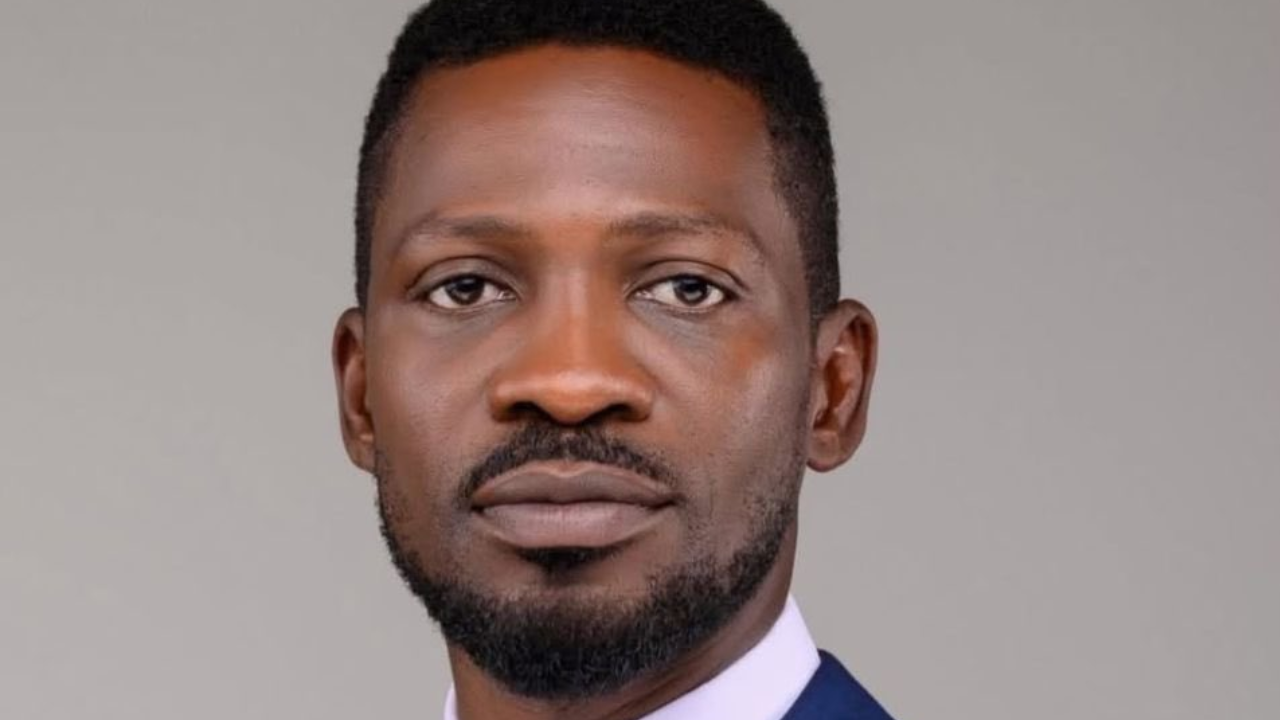
Uganda’s opposition leader Robert Kyagulanyi Ssentamu, popularly known as Bobi Wine, has left the country, citing fears for his personal safety following recent political tensions and a disputed presidential election. Wine, who has been the most prominent critic of long-serving President Yoweri Museveni, said he went abroad after facing threats to his life and constant harassment from security forces.
Wine had refused to accept the official results of January’s election, in which Museveni was declared the winner with more than 70 percent of the vote. He accused the government of widespread electoral fraud and intimidation, claiming that security forces targeted him and his supporters to silence dissent. In statements shared on social media, he explained that his departure was necessary to ensure his safety while continuing his political work from abroad.
According to Wine, the weeks leading up to his flight were marked by raids on his home, roadblocks, and efforts by authorities to locate him. He described a hostile environment in which he felt his life was at risk, and said that leaving the country was a precautionary step, not a retreat from his political mission. Wine assured his supporters that he intends to continue advocating for democratic reforms and will return to Uganda when it is safe to do so.
Supporters of Wine, particularly young Ugandans who have long opposed Museveni’s decades in power, expressed concern over his departure but pledged continued support. Many have been involved in protests and advocacy, demanding accountability and democratic change. Social media platforms have remained a key tool for organizing and sharing updates while Wine is abroad.
The Ugandan government has not officially commented on Wine’s recent statements. However, military officials have previously warned that authorities were monitoring opposition activities and viewed Wine as a threat to national stability. Some of his close aides have faced arrests or restrictions, adding to concerns about the political climate in the country.
Observers note that Wine’s flight underscores the growing tensions in Uganda following the election. International human rights groups and foreign governments have raised concerns over political repression and the limited space for opposition voices. The situation highlights the challenges faced by leaders opposing long-established governments in countries with restricted political freedoms.
As Wine continues his work from abroad, attention is focused on the ability of the opposition to maintain momentum and mobilize supporters in Uganda. Meanwhile, citizens remain wary of further political unrest, and authorities are expected to increase security measures as tensions continue to simmer. The coming months will be crucial for the future of Uganda’s opposition and the broader push for democratic reforms.