



Middle East Tensions Mount: Trump Calls on NATO Allies for Urgent Action
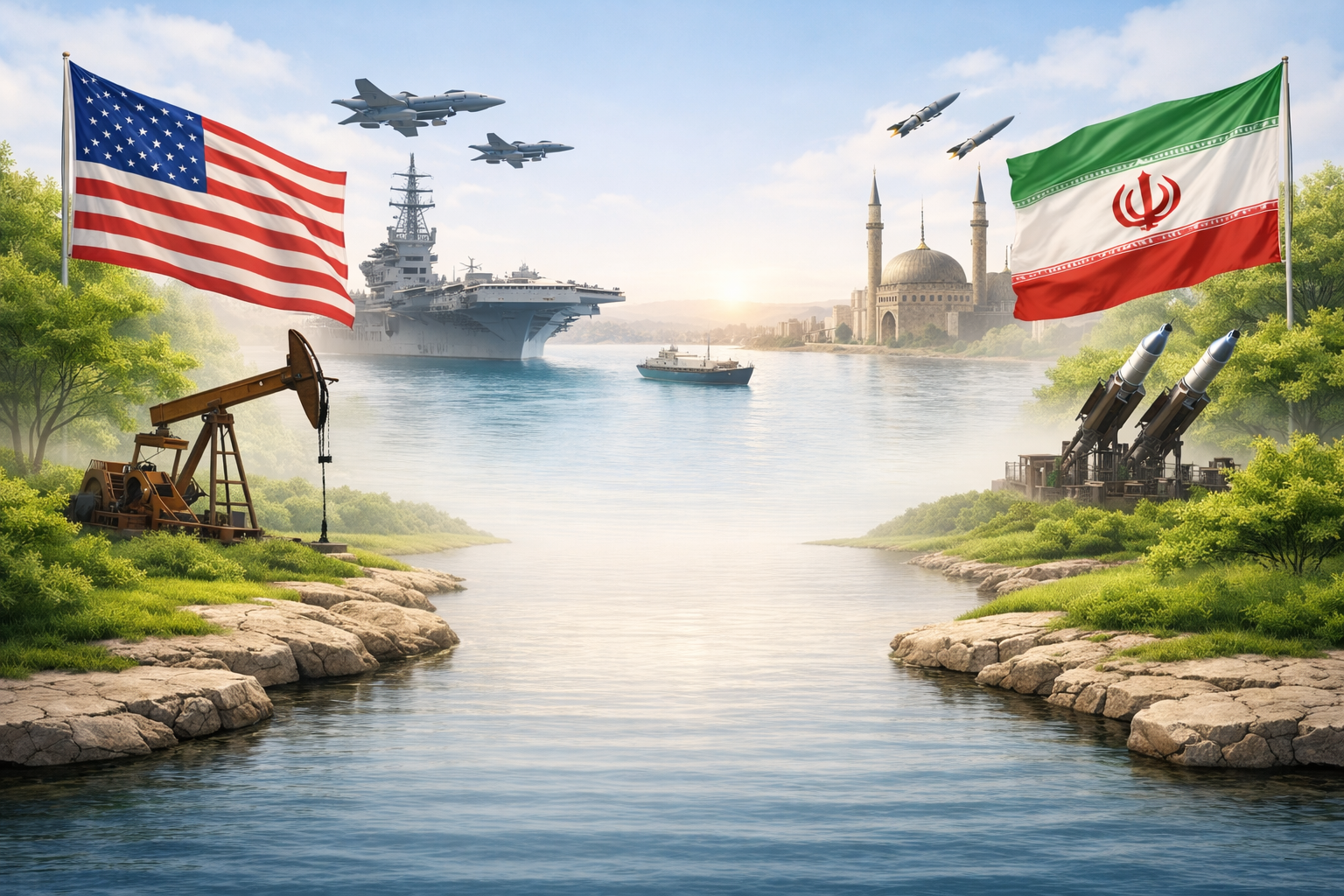
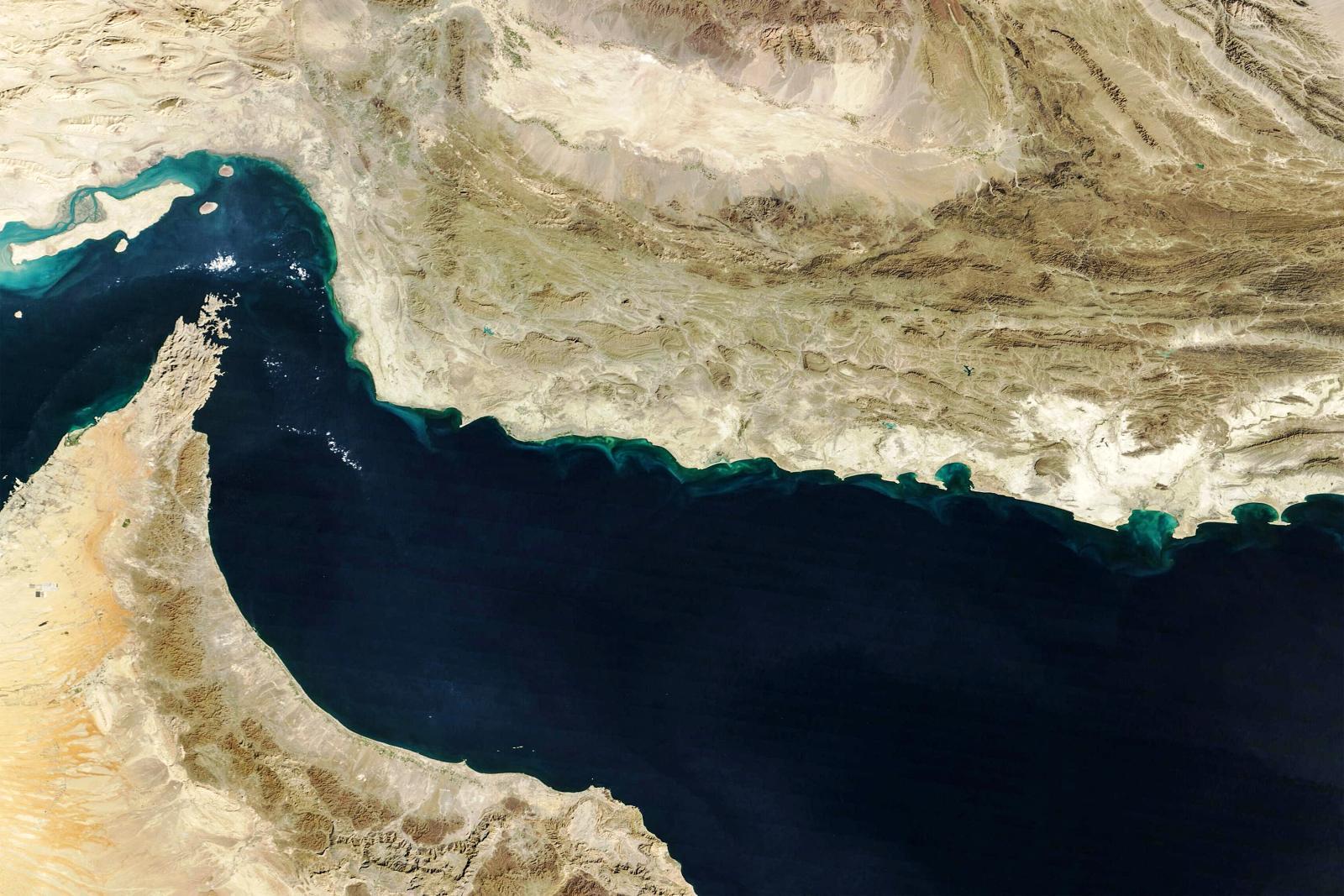
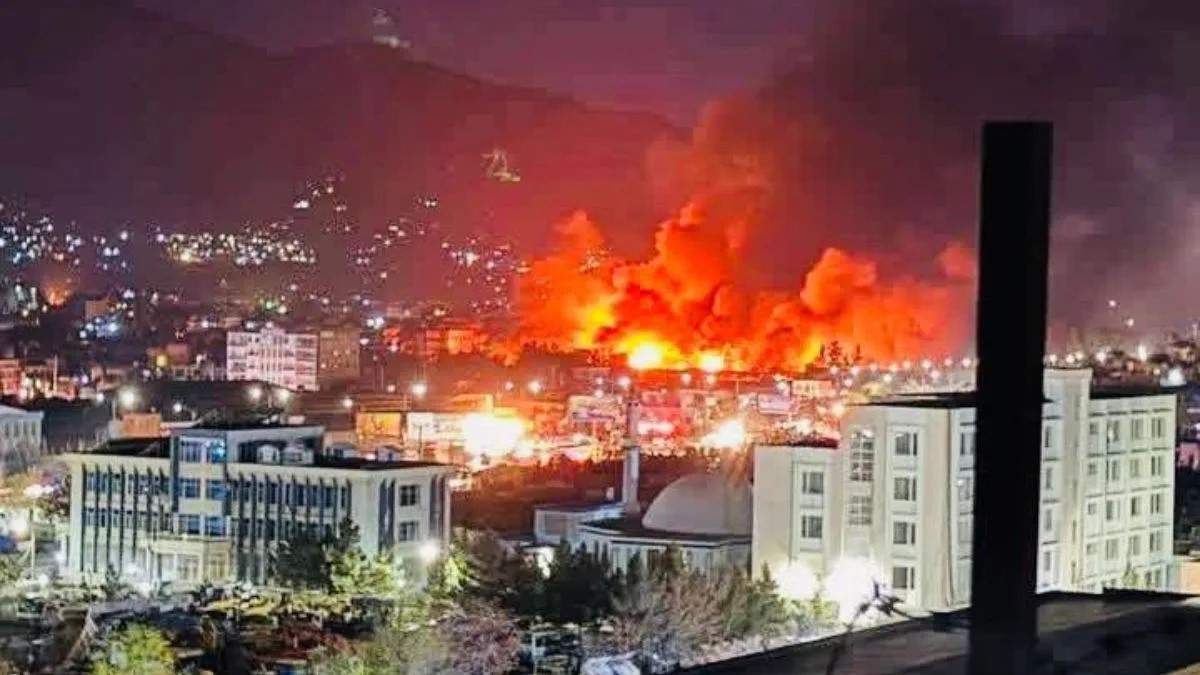
Global attention is focused on the Middle East as tensions continue to escalate, prompting U.S. President Donald Trump to call on NATO allies to take immediate action. The central issue is the Strait of Hormuz, a narrow but critical waterway that facilitates nearly a third of the world’s seaborne oil shipments. Recent military activity and disruptions in the region have raised fears of a wider conflict with potentially severe consequences for global energy security.
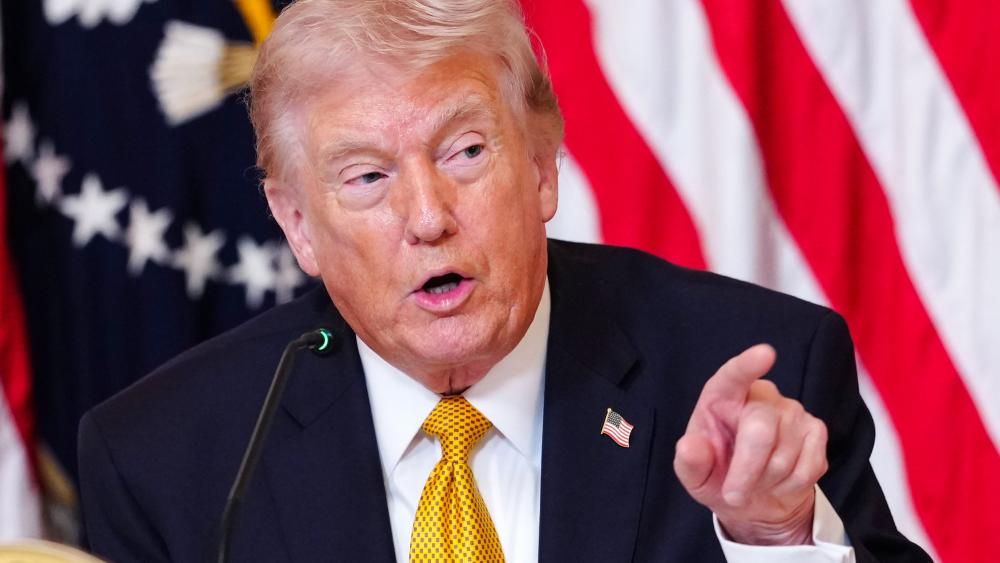
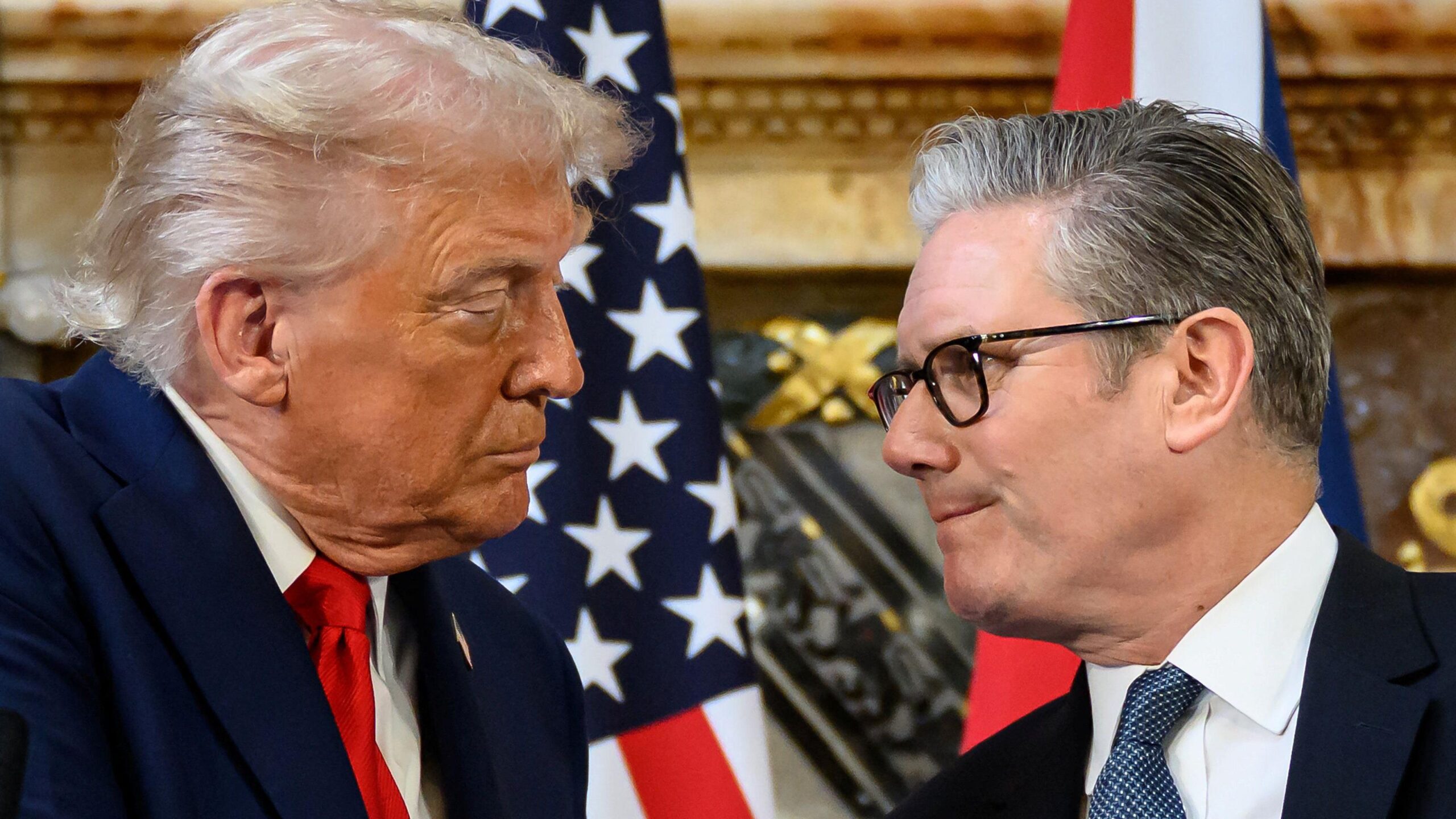
President Trump warned that failure by NATO members to contribute actively could weaken the alliance and endanger international stability. Speaking from the White House, he emphasized that countries dependent on oil passing through the strait have a responsibility to help secure this strategic route. “Allies must act decisively. Inaction now risks serious consequences not just for the region, but for the world,” Trump said.
Several European nations have expressed reluctance to commit military forces. Germany, the United Kingdom, and France have indicated that the conflict falls outside NATO’s core defense obligations. British Prime Minister Sir Keir Starmer emphasized that the UK will prioritize diplomatic measures and humanitarian support rather than military engagement. Germany echoed this sentiment, advocating for international coordination and negotiation to avoid escalation.
The United Nations has urged restraint from all parties, calling for the maintenance of open trade routes and the prevention of any actions that could trigger further instability. Analysts warn that prolonged disruption in the Strait of Hormuz could have immediate economic repercussions, including a sharp rise in global oil prices and strain on energy-dependent economies.
Diplomatic efforts are ongoing as U.S. and European officials discuss a coordinated approach that balances military readiness with political and economic considerations. Some European countries have proposed limited roles, such as escorting commercial vessels, but full military intervention remains unlikely due to domestic political concerns and the risks of broader conflict.
Experts note that President Trump’s public demands highlight divisions within Western alliances over how to respond to regional crises beyond territorial borders. While the United States seeks a proactive approach, European powers continue to advocate for caution, negotiation, and diplomatic solutions to de-escalate tensions.
As the Middle East situation develops, world leaders face growing pressure to act swiftly. The coming days will be crucial in determining whether diplomacy can prevent a larger confrontation or if the region will face further instability with global economic and political repercussions.