


Trump Criticizes UK Over Handling of Iran Crisis, Voices Frustration
U.S. President Donald Trump has publicly expressed his dissatisfaction with the United Kingdom’s response to the ongoing crisis involving Iran, stating that he is “not happy” with London’s approach. The remarks highlight growing tensions between the two longtime allies amid rising volatility in the Middle East.
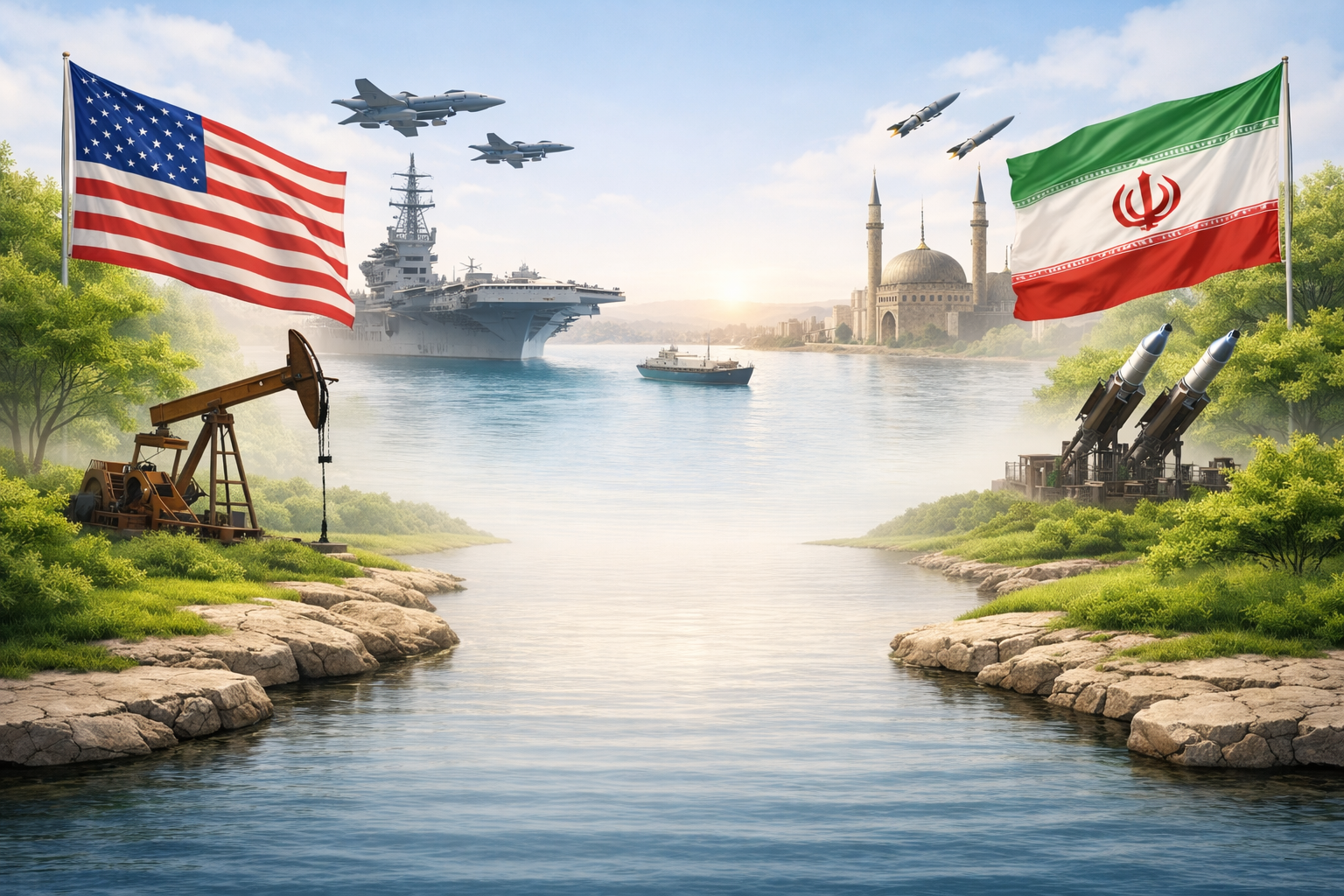
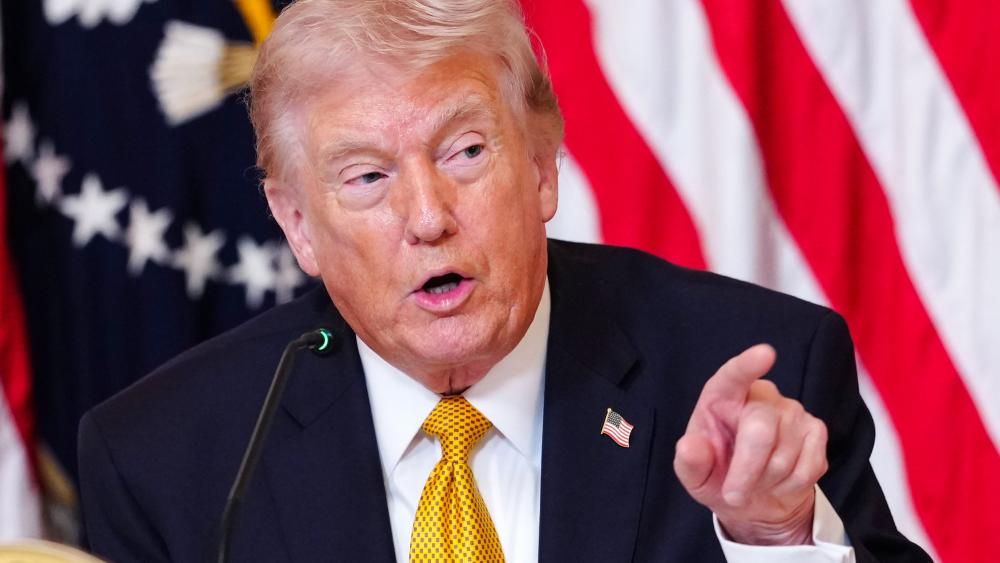
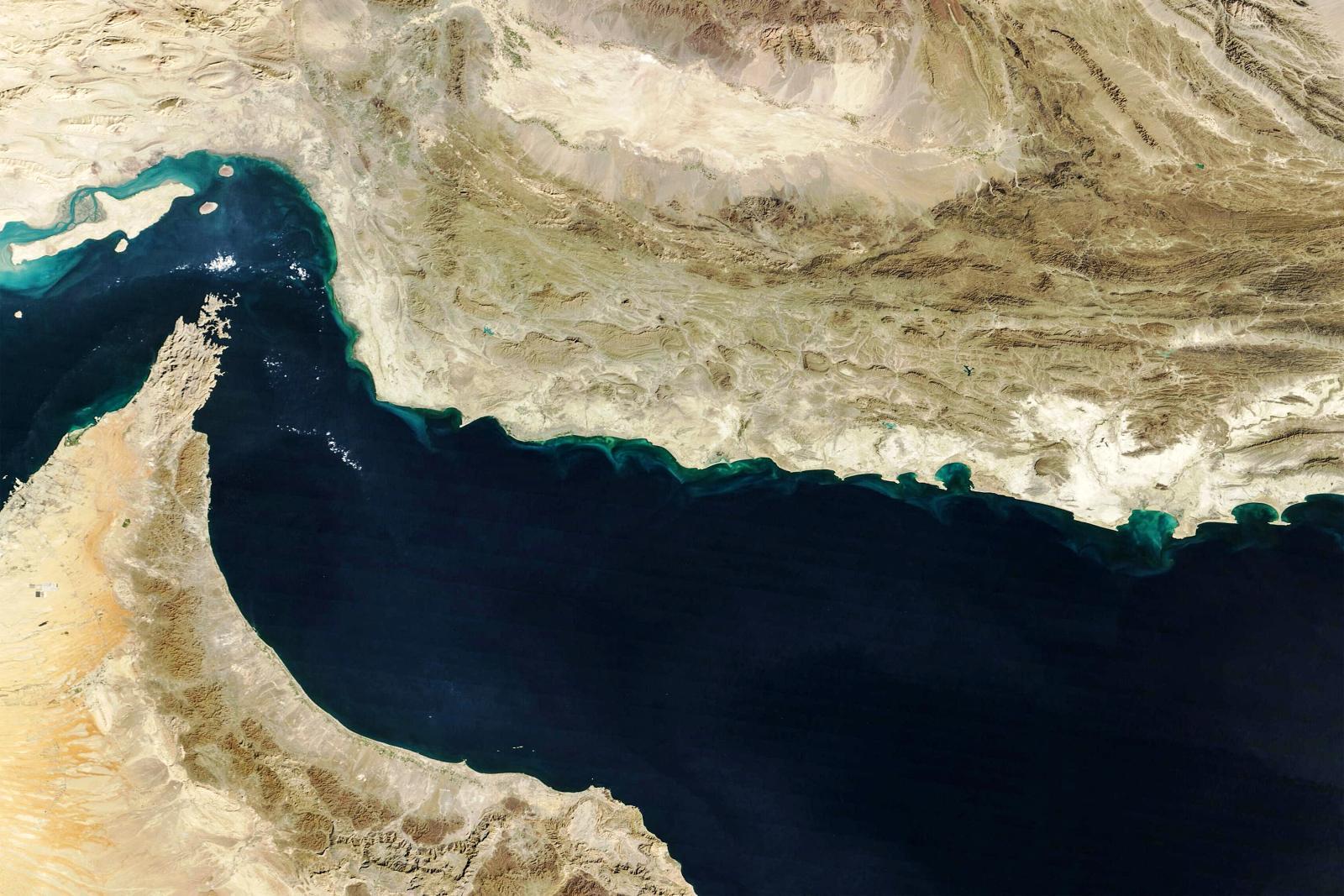
Speaking from the White House, Trump criticized Prime Minister Sir Keir Starmer and the British government for what he perceives as insufficient support in protecting critical shipping routes in the Persian Gulf. He urged the UK and other Western allies to take a more active role in securing strategic passages such as the Strait of Hormuz, which has been affected by recent escalations involving the U.S., Israel, and Iran.
“Over the years, we have always stood shoulder to shoulder with the United Kingdom in major conflicts,” Trump said. “I’m not happy with the UK’s response so far. Allies should show commitment when it matters most.” He suggested that Britain’s cautious stance could hinder efforts to stabilize the region and protect international trade.
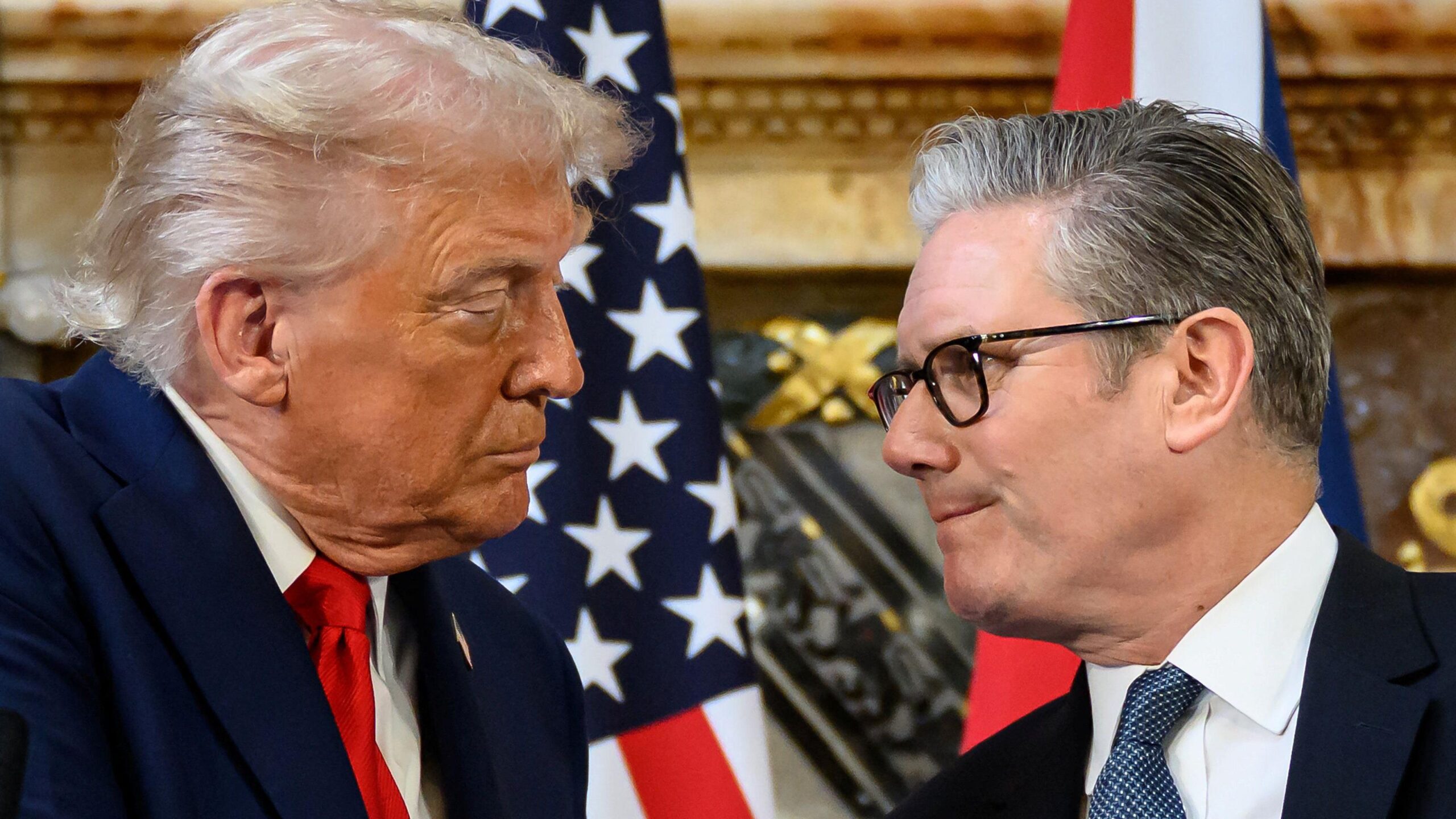
The UK has maintained a measured approach. Prime Minister Starmer emphasized that Britain would not be drawn into direct combat and is instead focusing on diplomatic and humanitarian efforts. He stated that any military involvement must comply with international law and be part of a coordinated effort with allies. The UK continues to provide logistical support and is actively engaging in coalition planning to reopen and secure key maritime routes.
Analysts say the dispute highlights broader disagreements within Western alliances on how to manage the Iran conflict. Some European nations, including Germany and France, have also declined direct military involvement, citing concerns over escalation and the risks of widening the conflict. Public opinion in the UK has similarly shown caution against expanded military engagement, influencing government policy.
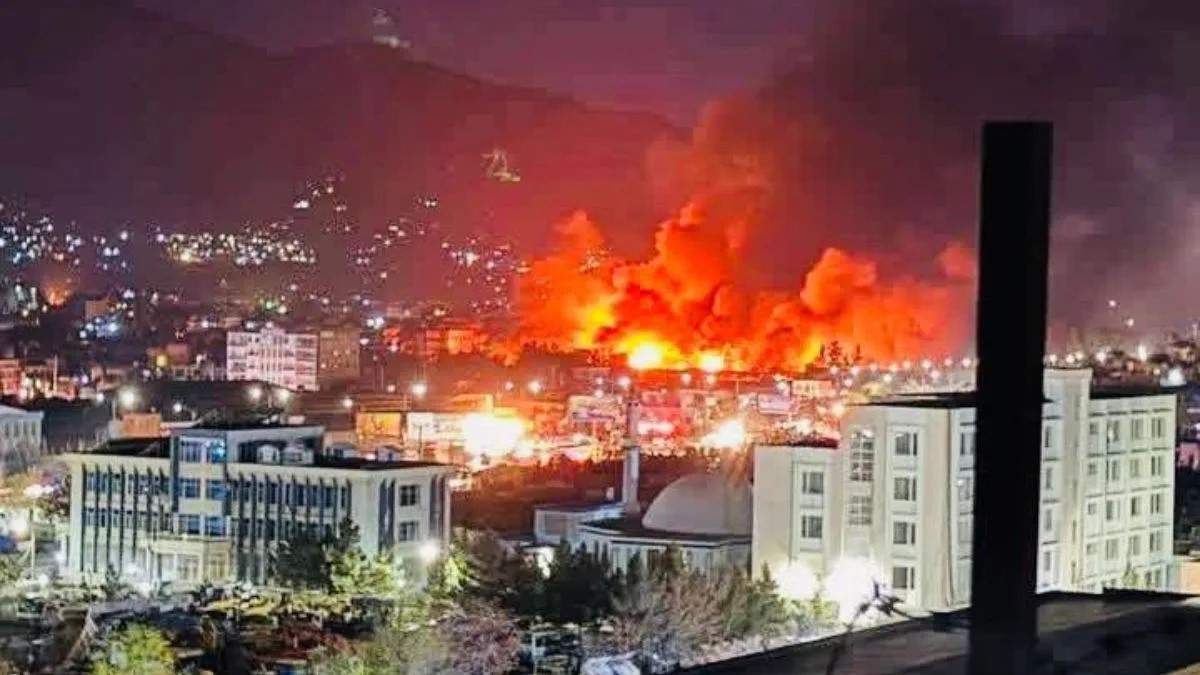
The tension comes at a critical time, as disruptions in the Gulf have contributed to rising global oil prices and economic uncertainty. Diplomatic channels remain active, with officials from both Washington and London reportedly engaged in backchannel discussions to clarify commitments and reduce friction.
As the situation develops, Trump’s criticism reflects a moment of strain in the UK–U.S. relationship, with both sides navigating the delicate balance between alliance obligations, national interests, and the need to avoid escalation in an already volatile region.