





Who Wants What from the Iran Conflict? A Deep Dive into Regional and Global Stakes
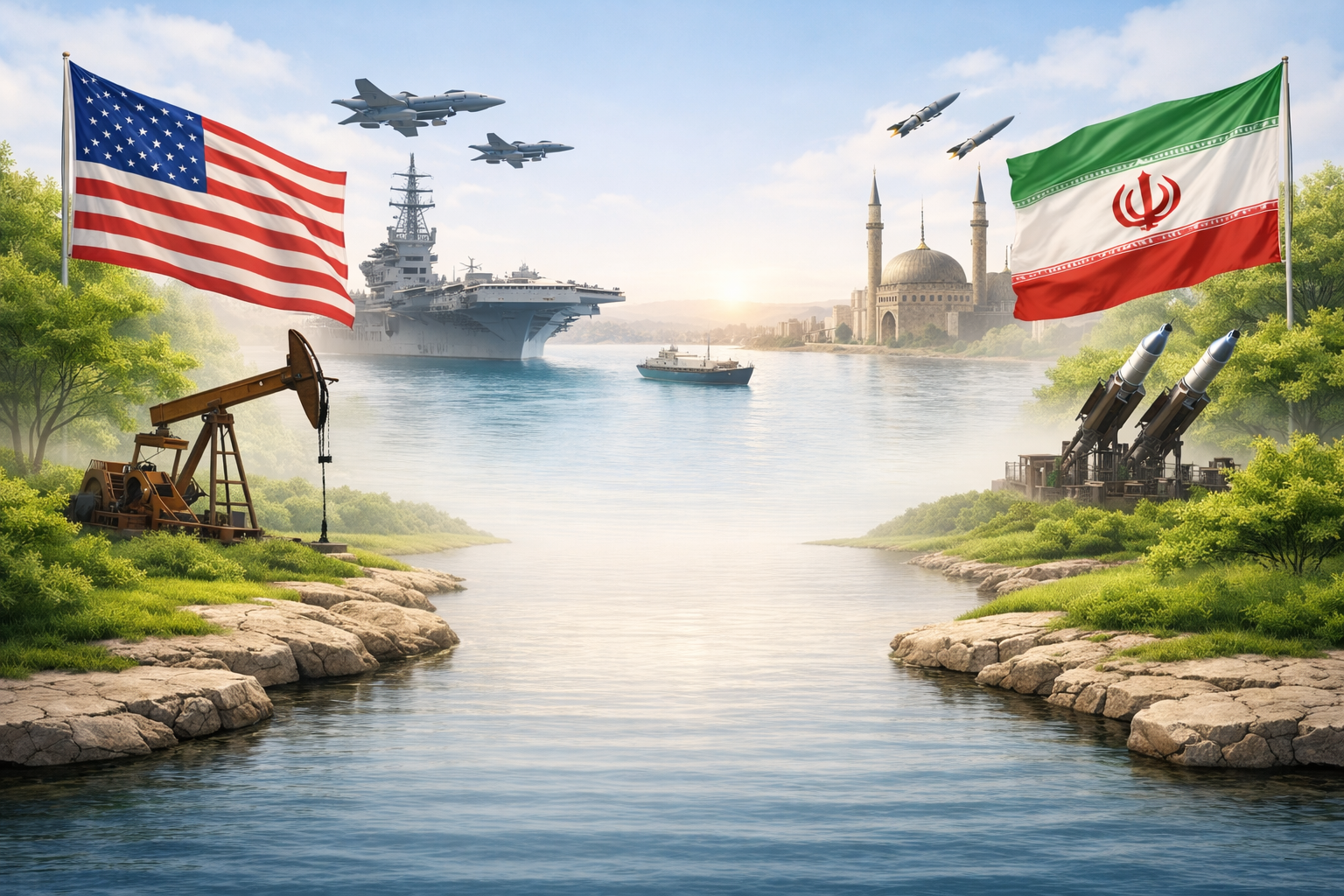
The ongoing tensions involving Iran, Israel, and the United States have once again brought the Middle East into the global spotlight, raising urgent questions about who stands to gain, who risks loss, and why the stakes are so high. While headlines often focus on military strikes and diplomatic warnings, the underlying motivations of the key players are multifaceted, ranging from geopolitical influence to economic security and ideological dominance.
At the center of the current crisis is Iran, whose regional ambitions and nuclear program have long been a source of concern for its neighbors and Western powers. Iran seeks to consolidate its influence across the Middle East, particularly in Iraq, Syria, Lebanon, and Yemen, by supporting allied militias and proxy forces. Analysts argue that Tehran views its nuclear program not only as a deterrent against external threats but also as leverage in regional negotiations. Controlling key energy routes, influencing Shia-majority populations, and projecting power are strategic priorities for the Iranian government.
Israel, meanwhile, is primarily motivated by national security concerns. Israel has repeatedly stated that it will act to prevent Iran from developing nuclear weapons capabilities that could threaten its existence. Beyond nuclear concerns, Israel is wary of Iranian-backed militias along its borders, particularly in Syria and Lebanon, which it perceives as direct threats. Military strikes, intelligence operations, and coordination with regional allies have become Israel’s preferred tools for maintaining strategic superiority and deterring Iran’s expansion.
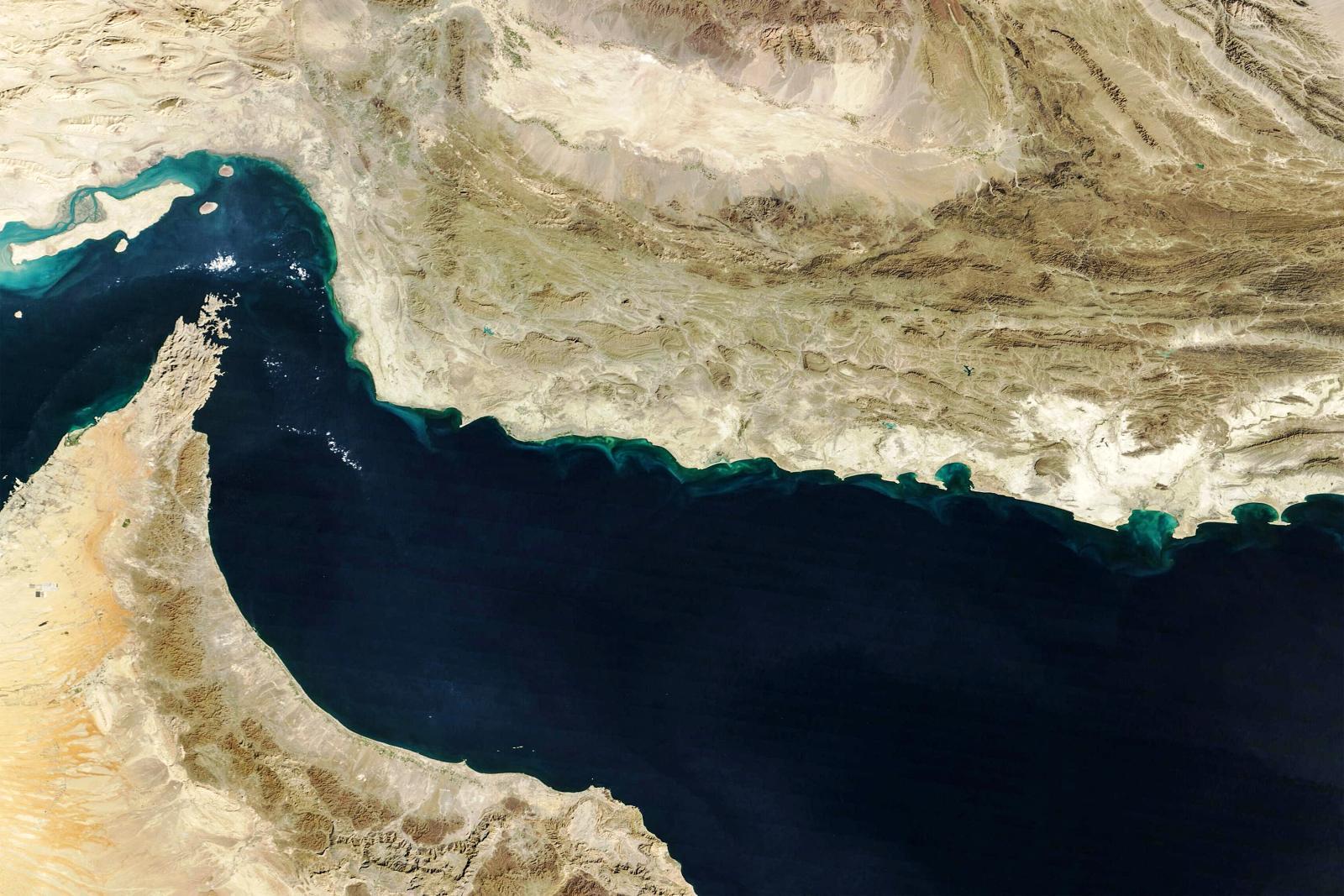
The United States has multiple objectives. Protecting the security of regional allies, particularly Israel and Gulf states, is a central goal, alongside ensuring the free flow of oil through the Strait of Hormuz, a vital chokepoint for global energy markets. Washington also seeks to limit Iranian influence without triggering a full-scale regional war, balancing sanctions, diplomacy, and military presence. The U.S. strategy emphasizes credibility with allies while avoiding overextension in a complex, multi-front regional environment.
Saudi Arabia and other Gulf states view Iran as a rival for regional dominance. By strengthening alliances with the United States and other Western powers, Gulf states aim to counter Iran’s influence, secure energy exports, and project domestic and regional stability.
Other global powers, including Russia and China, also have stakes. Moscow and Beijing are generally cautious, seeking to expand influence in the Middle East through diplomacy, arms sales, and energy partnerships while avoiding direct military entanglement.
Ultimately, the Iran conflict is not a simple clash of nations; it is a complex web of competing ambitions. Each player’s interests are shaped by historical grievances, ideological goals, and strategic calculations, making the path to de-escalation uncertain. Missteps could escalate localized tensions into a broader regional war with global repercussions. Understanding these dynamics is essential, as the outcomes could reshape energy markets, security alliances, and the balance of power in one of the world’s most volatile regions.