









Record‑Breaking March Heatwave Hits Western U.S., Shattering Decades‑Old Temperature Records
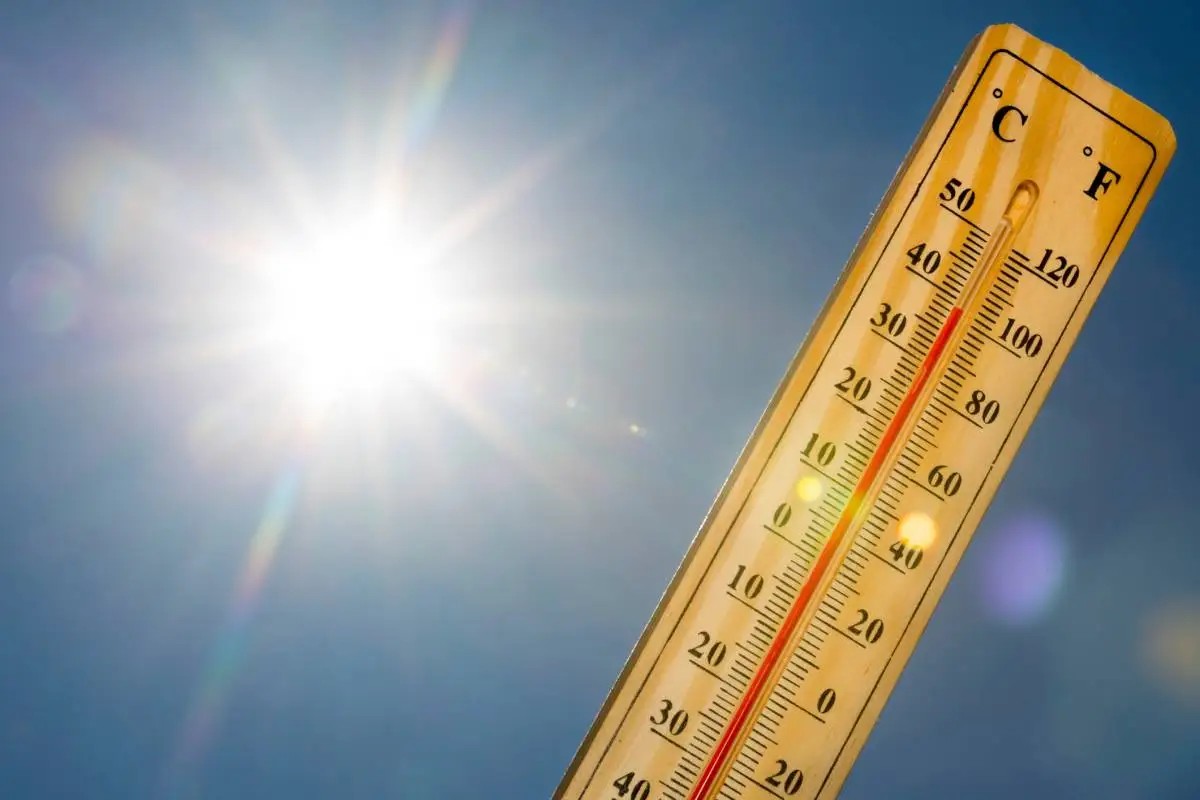
A historic and unusually intense heatwave is sweeping across the western United States this March, setting or threatening to break long-standing temperature records from California to the desert Southwest. Cities that typically expect mild spring weather are instead experiencing temperatures far above normal, prompting heat advisories and concerns over public health and environmental impacts.
Northern California has seen some of the most extreme early-season temperatures. San Francisco reached 86°F (30°C), surpassing century-old records, while inland communities such as Redwood City and Salinas recorded temperatures in the low 90s, breaking previous benchmarks for this time of year. Heat warnings have been issued, particularly for vulnerable groups, including the elderly, children, outdoor workers, and those without access to cooling.
Arizona and Nevada are also feeling the effects of this unprecedented March heat. Phoenix is expected to surpass 100°F, months ahead of the usual summer peak, while Las Vegas and parts of Southern California are facing similar scorching conditions. These temperatures mark some of the earliest high-heat events in the region’s recorded history.
Meteorologists explain that the unusual warmth is caused by a persistent high-pressure ridge, sometimes referred to as a “heat dome.” This atmospheric pattern traps warm air near the surface and prevents cooler weather systems from moving in, creating prolonged hot conditions. Combined with dry soils and below-average mountain snowpack, these factors amplify surface temperatures and reduce natural cooling effects.
Climate experts warn that extreme spring heat is consistent with broader climate change trends. Rising global temperatures are making record-breaking heat events more frequent and intense, posing growing risks to public health, agriculture, and natural ecosystems. The current heatwave also highlights water scarcity issues and increased stress on energy systems as demand for cooling rises.
Residents are being urged to stay hydrated, avoid outdoor activity during peak hours, and monitor local weather advisories. Authorities recommend checking on neighbors and vulnerable individuals, especially during prolonged heat events. As the West continues to face above-average temperatures through March, communities are preparing for a season where early heatwaves may become increasingly common.