







War’s Hidden Scars: The Lasting Impact of Conflict on a Child’s Brain
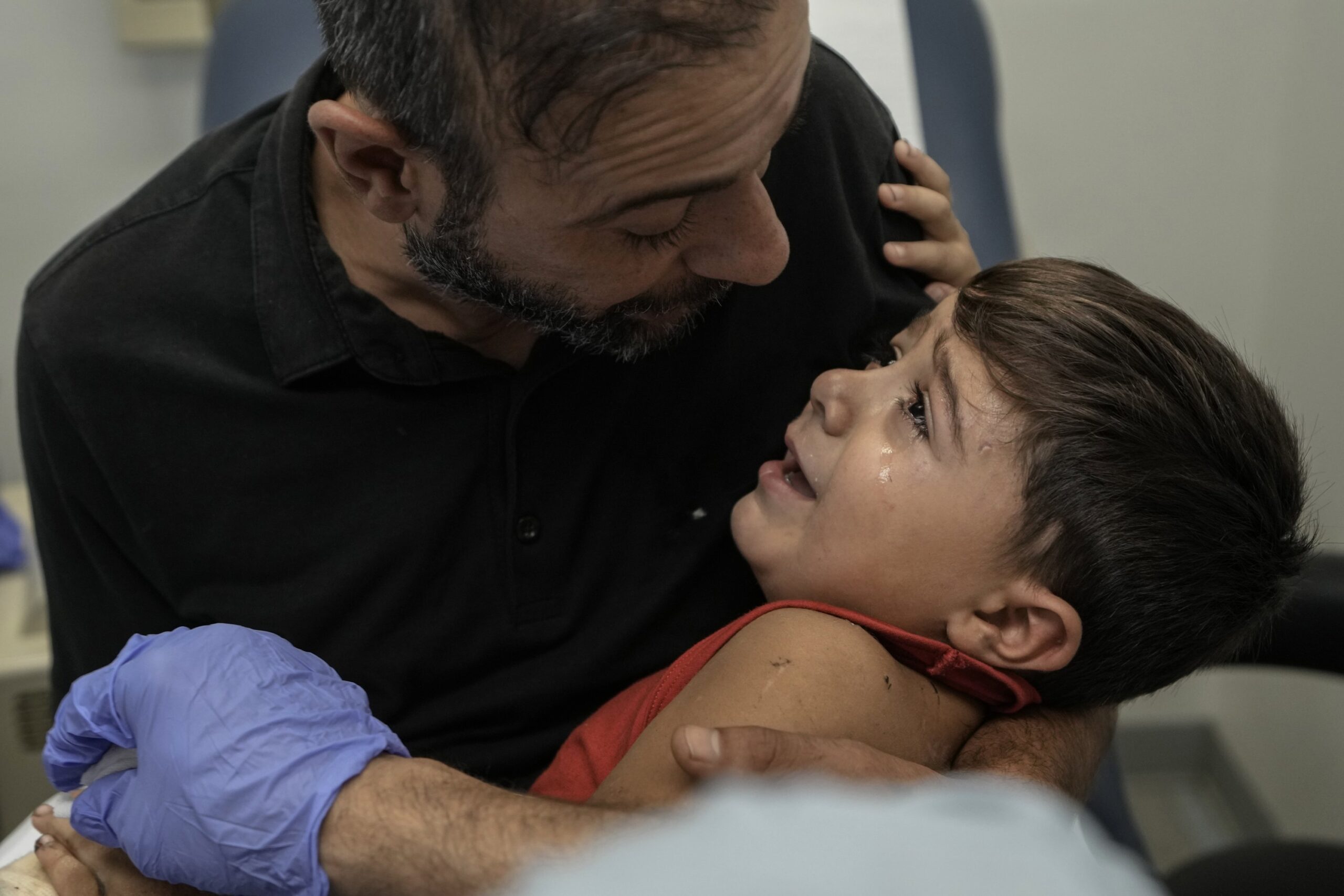
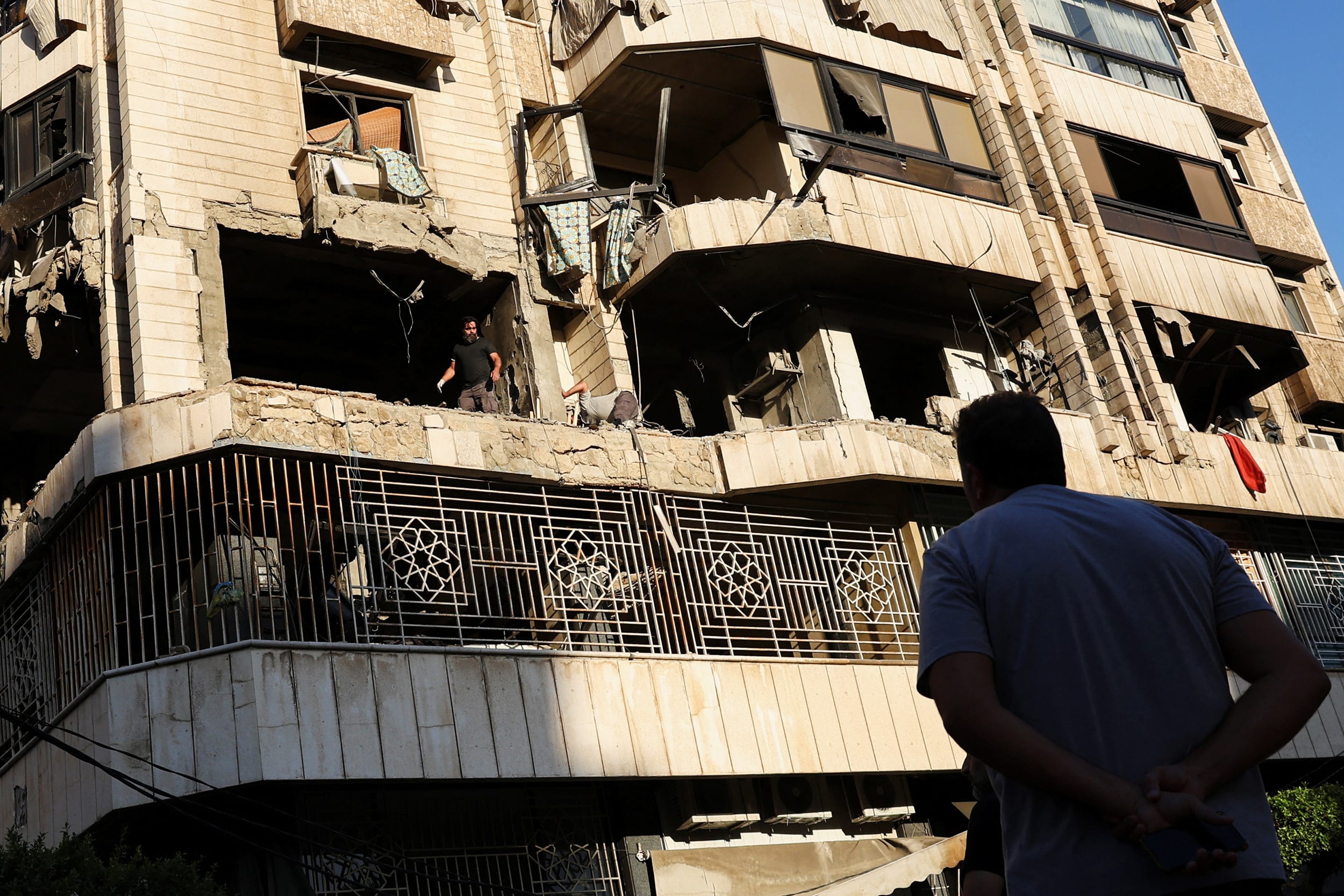
The effects of war on children go far beyond physical danger. Experts warn that growing up amid armed conflict can profoundly change how a child’s brain develops, leaving lasting impacts on mental health, learning, and behaviour.
When children are exposed to war, their brains experience constant stress. The body releases cortisol, a stress hormone designed to help respond to danger. However, when stress is prolonged — as in conflict zones — it becomes toxic, affecting the development of neural circuits. This “toxic stress” can weaken a child’s immune system and make them more vulnerable to both physical and mental health problems.
The prefrontal cortex, responsible for decision-making, emotion regulation, and impulse control, is particularly sensitive during early childhood. Continuous exposure to fear and trauma can disrupt its growth, making it harder for children to manage emotions or perform complex tasks later in life. Meanwhile, the hippocampus, critical for memory, can shrink under chronic stress, leading to learning difficulties and poor recall.
Behavioral changes are common among children in war zones. Many develop symptoms of post-traumatic stress disorder (PTSD), anxiety, or depression. Some become hyper-alert and reactive to perceived threats, while others withdraw from social interaction or show aggression. These patterns are linked to changes in brain function, particularly overactivity in the amygdala, the region that processes fear and emotion.
Research also shows that war can leave lasting marks on a child’s biology. Studies of refugee children reveal changes in DNA methylation, affecting genes involved in brain development and stress response. These epigenetic changes can influence long-term behaviour and health, beyond the immediate psychological impact of trauma.
Beyond biology, war disrupts safe environments essential for healthy development. Schools, homes, and community support systems are often destroyed, depriving children of routine, education, and social stability. Without supportive adults and safe spaces, chronic stress and fear can compound developmental harm.
Despite the severity of these effects, children’s brains are resilient. Experts emphasize that early intervention, psychosocial support, stable care, and access to education can help children recover and develop resilience. Timely therapeutic programs and safe environments are critical to helping war-affected children heal and thrive long after the conflict ends.
The hidden scars of war may last a lifetime, but with proper care and support, children can rebuild not only their mental health but also hope for the future.