







Japan Rejects US Assessment on Taiwan Ahead of Leaders’ Strategic Dialogue
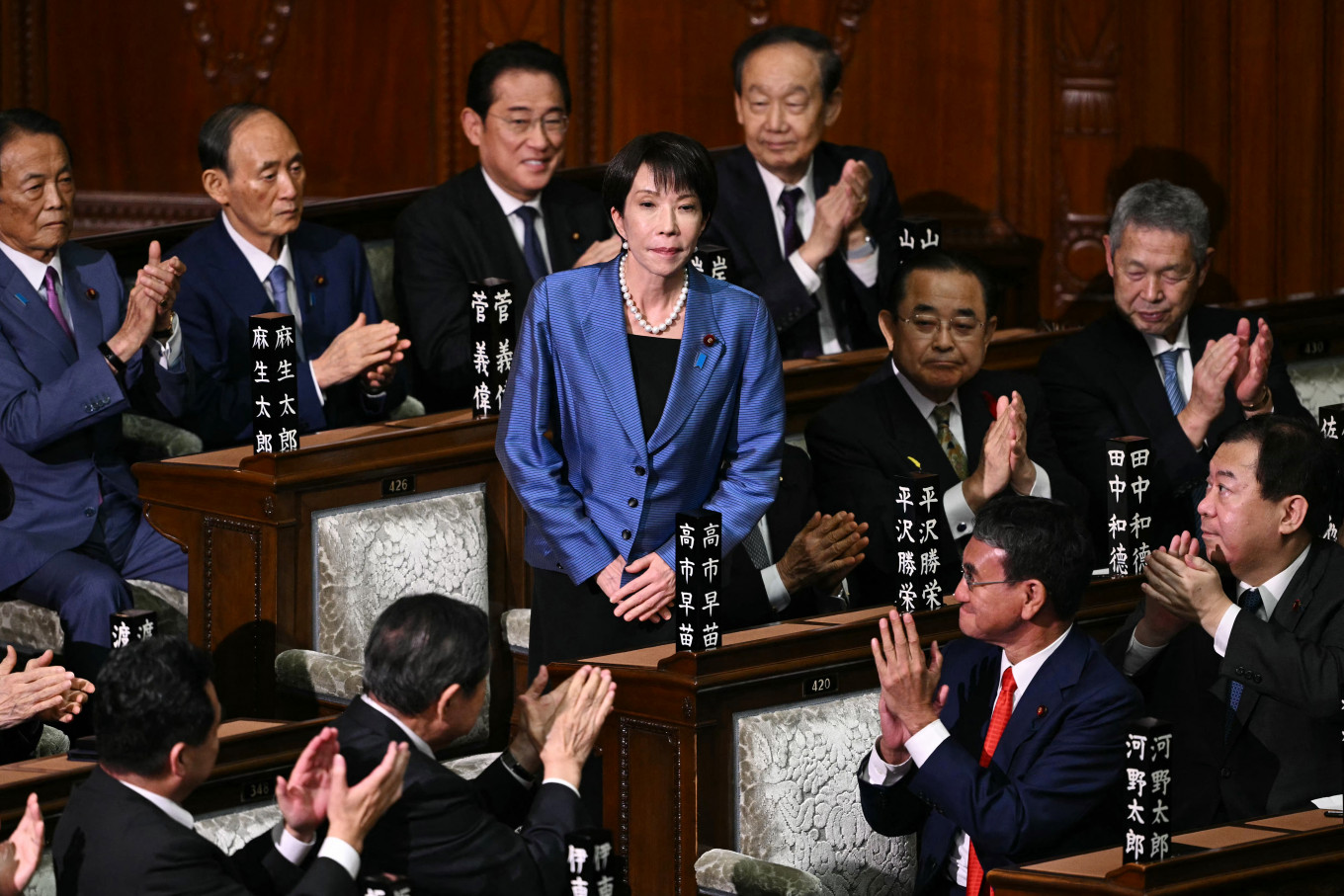
Tokyo, Japan – In a development that underscores the delicate geopolitical balancing act in the Indo-Pacific region, Japan has officially rejected a recent assessment by the United States regarding its stance on Taiwan. The move comes just days ahead of a scheduled high-level meeting between Japanese Prime Minister and US President, aimed at reaffirming bilateral cooperation and strategic alignment in East Asia.
The US report had suggested that Japan might be recalibrating its policy toward Taiwan amid rising regional tensions and growing Chinese assertiveness. Tokyo, however, swiftly moved to clarify that its position remains unchanged. Japanese officials emphasized that Japan continues to uphold its long-standing commitment to peace, stability, and the rules-based order in the region, while adhering to its constitutional and diplomatic principles.
Analysts note that Japan’s rebuttal reflects a broader effort to manage perceptions of its foreign policy, particularly in the context of the US-led security architecture in the Asia-Pacific. While Washington has consistently advocated for closer coordination with allies regarding potential contingencies involving Taiwan, Tokyo appears intent on avoiding any narrative that could suggest an independent shift in policy that might unnecessarily escalate regional tensions.
The upcoming bilateral summit is expected to cover a wide array of strategic and security issues, including defense cooperation, maritime security, and regional economic resilience. Experts suggest that the careful wording of statements on Taiwan and other sensitive issues is part of a deliberate diplomatic strategy to maintain alignment with the United States while preserving Japan’s autonomy in regional decision-making.
This episode also highlights the intricate interplay between domestic political considerations and international diplomacy. Within Japan, policymakers face the dual challenge of responding to alliance pressures while managing public sentiment and constitutional constraints regarding military engagement. Meanwhile, Washington remains focused on consolidating its regional partnerships to counterbalance China’s growing influence.
Observers argue that the public disagreement over assessment narratives underscores the complexity of alliance management, where even subtle differences in interpretation can carry significant diplomatic weight. Japan’s explicit rejection of the US assessment signals a desire to set the record straight, ensuring that Tokyo’s position on Taiwan is not mischaracterized ahead of high-stakes diplomatic engagement.
As the leaders’ meeting approaches, all eyes will be on the messaging and policy coordination between Washington and Tokyo, which together play a pivotal role in shaping the security and stability of the broader Asia-Pacific region.