







PM Swerves Questions on Whether He Spoke to Mandelson About Epstein Friendship
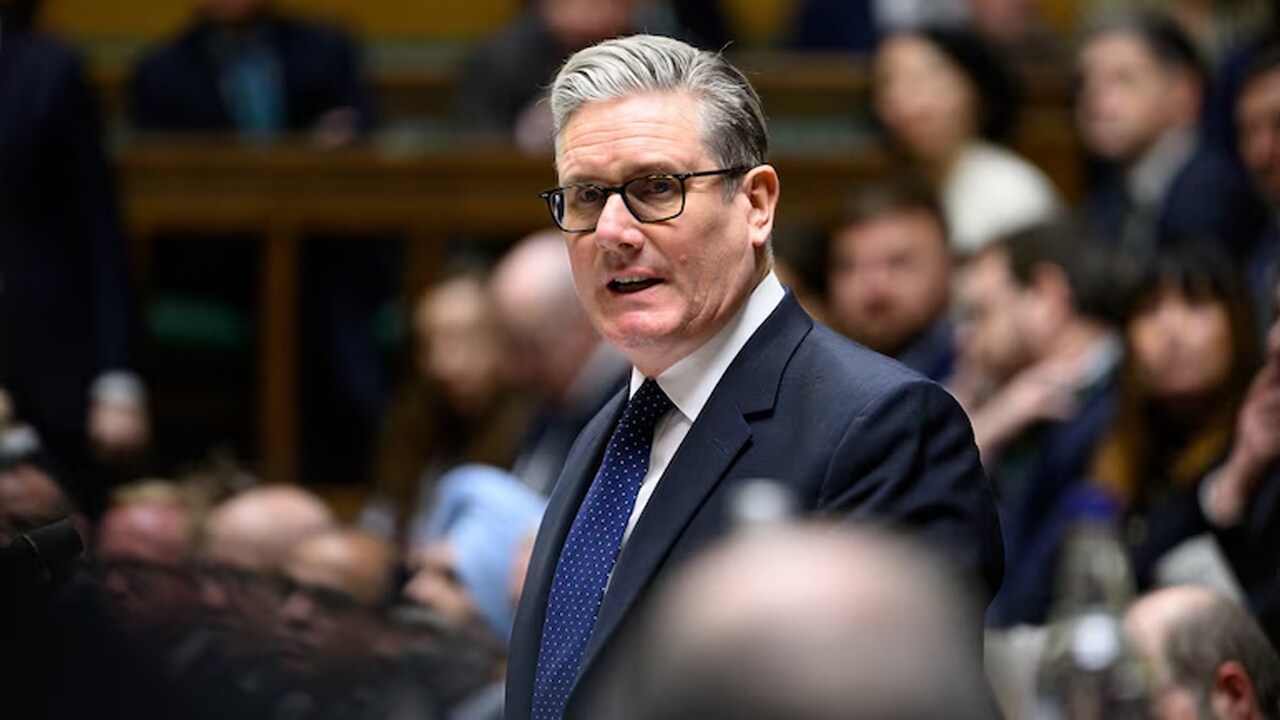
London – The UK Prime Minister faced a flurry of questions from the press on 18 March 2026 regarding whether he had spoken to former Labour minister Peter Mandelson about his friendship with the late financier Jeffrey Epstein. In a careful and measured response, the Prime Minister avoided giving a direct answer, emphasizing that his focus remains on the government’s current priorities rather than historical associations.
When reporters pressed him on whether any private discussions had taken place with Mandelson about Epstein, the Prime Minister replied: “I do not comment on private conversations between individuals. My focus is on delivering for the people of this country.” This deflection comes amid increasing scrutiny of political figures whose past interactions with Epstein have raised questions about judgment, accountability, and transparency.
Political analysts suggest that the Prime Minister’s evasive stance is a calculated effort to avoid controversy. Dr. Harriet Linton, a senior lecturer in political science at King’s College London, explained, “The PM is navigating a sensitive area where even a minor misstep could be portrayed as complicity or poor judgment. By remaining non-committal, he seeks to protect both his office and the government from distraction.”
Opposition parties, however, criticized the Prime Minister’s lack of clarity. Labour and Liberal Democrat spokespeople argued that public figures must be transparent about any connections to individuals linked to criminal activity, particularly someone with Epstein’s notorious background. Shadow ministers warned that failure to address the matter could undermine public confidence in the political establishment and fuel speculation about impropriety at the highest levels.
The incident underscores the wider challenge facing UK politicians when past associations resurface in the media spotlight. Public trust in government is influenced not only by policy delivery but also by perceived integrity and moral judgment. Historical connections, even if legal, can generate intense scrutiny when linked to high-profile scandals.
Observers note that the Prime Minister’s response may temporarily deflect attention, but without clarification, speculation is likely to continue. Questions may arise in Parliament or through voluntary statements from those involved, particularly as journalists and opposition figures pursue greater accountability.
For now, the Prime Minister’s reluctance to answer marks another moment of tension in UK political discourse, highlighting ongoing public concerns about transparency, elite networks, and the responsibilities of elected officials when addressing sensitive past associations.