









The Many Marilyn Monroes: How Norma Jeane Became Hollywood’s Most Complex Icon
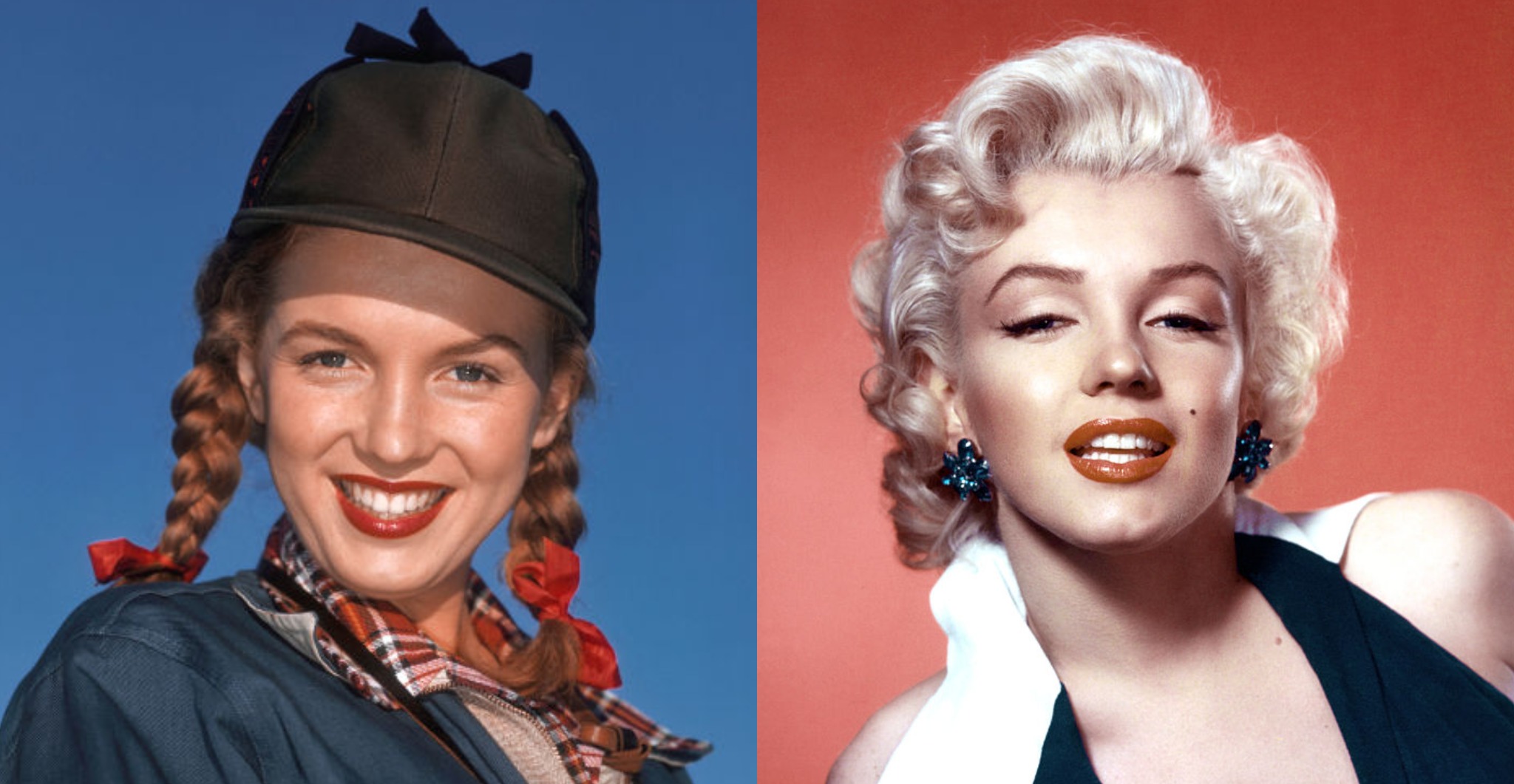
Marilyn Monroe was never just one person. Over the course of her short life, she became a series of shifting identities some carefully constructed, others imposed by fame, media, and public imagination. Born Norma Jeane Mortenson, she transformed herself in the 1940s by adopting the name Marilyn Monroe, a choice she later described as wearing “a veil”—a crafted identity that could shield and elevate her at the same time.
From the beginning of her Hollywood career, Marilyn quickly evolved into the archetype of glamour. Studio publicity machines shaped her into the ultimate sex symbol of the era: platinum blonde hair, breathy voice, and a carefully curated image of effortless allure. This “Hollywood Marilyn” became one of the most recognizable figures in global entertainment, defining beauty standards and celebrity culture for generations.
But beneath the surface of fame, multiple versions of Marilyn existed simultaneously. There was the playful, almost childlike Marilyn often seen in public appearances and interviews, who reportedly called her husband “Daddy,” reflecting both affection and emotional vulnerability. There was also the politically symbolic Marilyn, whose connection to President John F. Kennedy most famously marked by her performance of “Happy Birthday” at Madison Square Garden added layers of intrigue and speculation that continue to fuel public fascination.
Away from cameras, another side emerged: the intellectual Marilyn. She was known to read literature deeply, including works by Dostoevsky, and sought respect as a serious actress rather than just a screen icon. Her marriage to playwright Arthur Miller further reinforced this attempt to be taken seriously within artistic and literary circles, as she tried to move beyond the limits of her public image.
Yet fame proved relentless. As Hollywood’s brightest star, Monroe also became one of its most scrutinized figures. The gap between her private struggles and public persona widened over time, with increasing pressure from studios, media attention, and personal instability.
Her life came to a tragic end in 1962, when she died from an overdose at the age of just 36. Her death cemented yet another version of her identity: Marilyn the legend, frozen forever in youth, beauty, and unanswered questions.
Today, Marilyn Monroe remains more than an actress or a cultural icon. She is a symbol of how celebrity can fragment identity into multiple narratives each one reflecting what the world wants to see, rather than the full truth of the person behind the image.