








Oil Tanker Traffic Through Strait of Hormuz Rises as U.S.-Iran Maritime Deal Begins to Take Effect
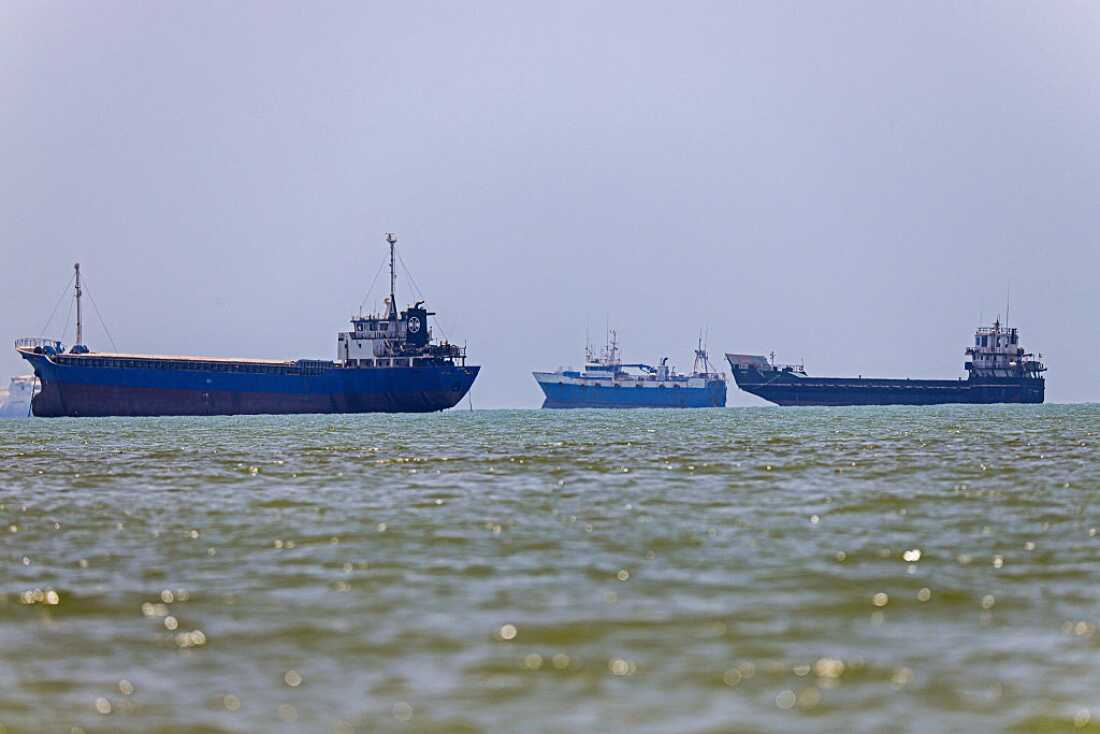
Oil tanker traffic through the Strait of Hormuz has begun to recover following the recent U.S.-Iran agreement to reopen the key maritime route to commercial shipping, according to trade intelligence firm Kpler. At least 20 oil tankers have crossed the strategic waterway since the deal was implemented, signaling a gradual return to more normal trading conditions in one of the world’s most critical energy corridors.
Kpler data showed that vessel transits through the strait reached their highest level since June 2 on Thursday, with a total of 25 ships crossing the passage. These included oil tankers, cargo vessels, container ships, and other maritime traffic. Despite the improvement, overall activity remains significantly below pre-conflict levels, when more than 100 ships passed through the strait daily.
The renewed flow of maritime traffic follows the reported end of a U.S. Navy blockade and Iran’s decision to allow vessels to transit Hormuz toll-free for a 60-day period. The agreement is seen as a temporary measure aimed at stabilizing shipping routes and reducing tensions in the region, which plays a vital role in global oil supply chains.
According to Kpler, traffic on Thursday was relatively balanced, with 13 ships moving west to east and 12 traveling in the opposite direction. The firm also noted participation from major regional exporters, including three supertankers from Saudi Arabia and one from the United Arab Emirates. These very large crude carriers are capable of transporting up to 2 million barrels of oil each.
Analysts observed additional signs of normalization, including Iranian supertankers switching their tracking transponders back on after previously operating without signals during the conflict period. On Friday, five Iranian supertankers carrying crude oil were reported to have departed the region, further suggesting a gradual restoration of commercial operations.
Kpler analysts said the movement of vessels in both directions indicates that Iranian crude exports are slowly returning toward standard operating patterns. However, uncertainty remains over the long-term governance of the strait once the temporary toll-free period expires.
Under the terms of the agreement, Iran is expected to hold discussions with Oman and Gulf states regarding future administration of the waterway. This leaves open the possibility that transit fees or toll systems could be introduced later, depending on the outcome of negotiations.
Despite the recent improvements, maritime traffic through the Strait of Hormuz has not yet returned to pre-war levels, highlighting the lingering impact of recent geopolitical tensions on global energy logistics. As the situation develops, energy markets and shipping operators continue to monitor the region closely for signs of stability or renewed disruption.