







The ‘Gen Z Stare’ Is More Than a TikTok Trend — It’s Quietly Disrupting the Workplace and the Job Market
In an age where viral videos often shape public opinion and cultural shifts, one subtle yet powerful expression is catching the attention of employers, recruiters, and business leaders around the world: the “Gen Z stare.”
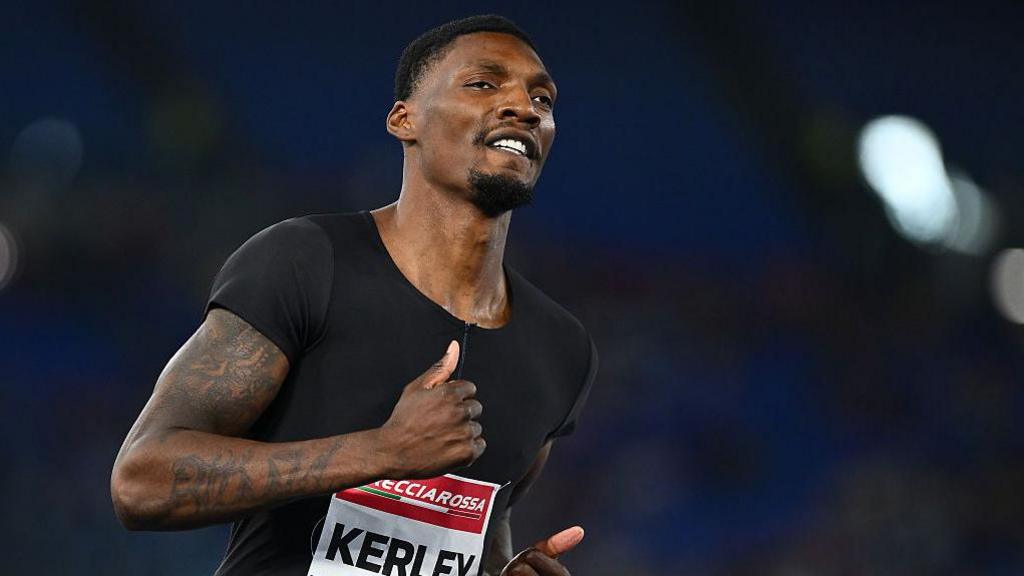
Popularized by short-form TikTok videos and meme culture, the “Gen Z stare” is characterized by an emotionless, unbothered, and often intimidatingly blank facial expression. While it started as a social media trope or a humorous digital persona, it has now made its way into real-world interactions — including job interviews, workplace communication, and even Zoom meetings.
The consequences? Misunderstood signals, confused hiring managers, missed career opportunities, and a widening generational communication gap — all because of a simple stare.
What Exactly Is the “Gen Z Stare”?
The “Gen Z stare” typically features individuals with a flat expression, little to no eyebrow movement, and direct — often intense — eye contact. No smile, no nod, no visible reaction. In the context of TikTok, this blank face is used to create contrast with dramatic or ridiculous situations. But in professional settings, it’s being interpreted in very different ways.
Older generations — particularly Gen X and Baby Boomers — often equate facial cues with emotional engagement. In job interviews or team meetings, expressions like smiling, leaning forward, or nodding are seen as signs of enthusiasm, agreement, or understanding. The absence of these cues is frequently misread as apathy, arrogance, or lack of interest.
From Meme to Miscommunication: The Workplace Effect
Recruiters and hiring managers across industries are starting to voice concerns about the growing presence of the Gen Z stare during interviews and performance reviews. A 2025 survey by the National Association of HR Professionals (NAHRP) found that:
- 52% of hiring managers have encountered interviewees whose nonverbal behavior — including a lack of expression — negatively affected their perception.
- 41% admitted to passing over otherwise qualified candidates because they “seemed disengaged or unenthusiastic.”
- 61% said they now require training to better interpret Gen Z behavior and communication styles.
It’s not that Gen Z workers are less qualified — in fact, they’re the most educated and digitally advanced generation to date. But their preference for low-energy, non-performative expression is often clashing with conventional workplace norms.
Why Gen Z Communicates Differently
To understand the rise of the Gen Z stare, we need to examine the context in which this generation grew up.
- Digital-Native Culture: Raised on social media, Gen Z is highly visual and highly aware of how they present themselves. The stare often serves as a defense mechanism or a performance in itself — a way to reject the artificial enthusiasm often demanded by platforms and people.
- Emotional Burnout: Having lived through a global pandemic, climate anxiety, economic instability, and social unrest, many Gen Z individuals report higher rates of anxiety, depression, and emotional fatigue. Performing constant positivity in interviews or meetings can feel inauthentic and mentally draining.
- Authenticity Over Formality: Gen Z values honesty and psychological safety over traditional professionalism. They’re more likely to respect leaders who are real and vulnerable than those who rely on corporate jargon and forced smiles.
This cultural shift means that Gen Z doesn’t necessarily see a blank stare as rude — they may view it as being real, calm, or even respectful.
The Risks in the Job Market
As job seekers, Gen Z professionals may unknowingly limit their opportunities by under-communicating through nonverbal cues. Hiring managers still rely heavily on body language to assess traits like enthusiasm, collaboration potential, and leadership ability.
In industries like marketing, consulting, hospitality, and sales — where client interaction and emotional intelligence are crucial — candidates who fail to demonstrate visible energy or connection can be easily overlooked.
This doesn’t mean Gen Z needs to fake enthusiasm — but it does mean that some soft skills need to be consciously cultivated. Career experts now encourage young professionals to:
- Practice active listening techniques (nodding, eye movement)
- Use small but impactful expressions (a slight smile, a responsive eyebrow raise)
- Mirror the tone and energy of the interviewer subtly
- Reassure with verbal affirmations if facial expression is naturally neutral (e.g., “That sounds really interesting!”)
Changing the Workplace: Employers Have a Role Too
The burden doesn’t fall solely on Gen Z. Companies and leadership must also adapt to evolving forms of expression and engagement.
Forward-thinking firms are already taking steps:
- Deloitte and HubSpot have introduced training programs for managers to understand Gen Z communication styles.
- Adobe and Google are offering workshops on “Emotional Intelligence Across Generations.”
- Startups are now focusing more on skills-based hiring assessments, reducing reliance on first impressions in interviews.
Additionally, hybrid work and remote culture have contributed to more varied communication styles. Silent Zoom calls, brief Slack messages, and delayed responses have become normalized — blurring the line between active and passive engagement.
Bridging the Gap: What’s Next?
As workplaces grow more diverse in age, background, and personality, emotional literacy will become a vital skill — for everyone.
Here’s what both employers and Gen Z professionals can do to meet in the middle:
For Gen Z Workers:
- Be aware of how your expressions may be interpreted, even if unintentionally.
- Use verbal communication to reinforce interest and engagement.
- Remember: being professional doesn’t mean being fake.
For Employers:
- Update your expectations about enthusiasm and engagement — not everyone expresses interest in the same way.
- Train managers to read cues beyond traditional body language.
- Focus on output, communication clarity, and collaboration rather than outdated performative norms.
Conclusion: The Silent Revolution of the Gen Z Stare
What began as a TikTok trend is now emblematic of a deeper generational transformation. The “Gen Z stare” isn’t about laziness or disrespect — it’s about redefining what it means to be present, interested, and professional in a post-digital world.
As workplaces strive to become more inclusive and emotionally intelligent, learning to understand — not judge — the silent stare of Gen Z could be the key to building stronger, future-ready teams.
Because sometimes, the quietest faces have the loudest potential.