







Elon Musk Integrates Grok AI Chatbot into Teslas—But at What Cost to Data Privacy?
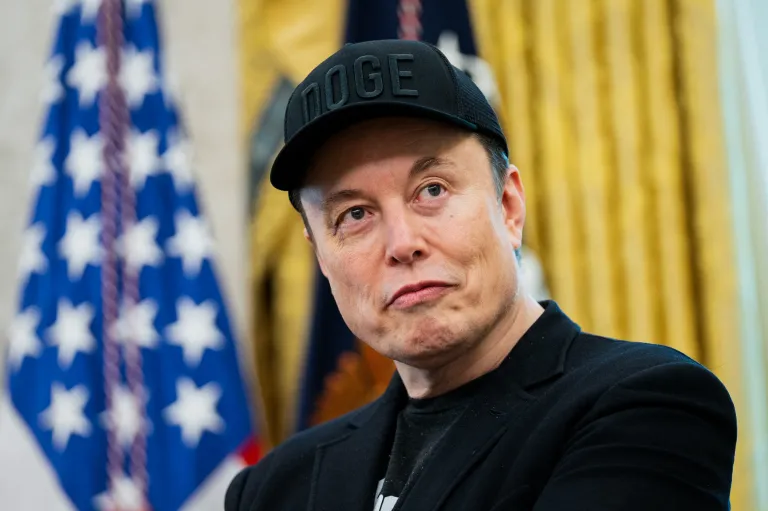
In a bold new move that merges his sprawling empire of tech ventures, Elon Musk has officially begun integrating his AI chatbot, Grok, into Tesla vehicles. The decision reflects Musk’s signature approach to innovation—blending hardware, software, and artificial intelligence—but it also raises pressing questions about data privacy, surveillance, and ethical AI use in consumer technology.
🚘 Grok AI Comes to Tesla: What It Means for Drivers
Grok, developed by Musk’s xAI startup, was originally launched as a chatbot on the social media platform X (formerly Twitter). Now, Tesla owners can access the chatbot directly through their vehicle’s infotainment system, enabling them to ask questions, get directions, manage in-car functions, or even make casual conversation with the AI while driving.
Tesla’s most recent software update allows Premium Connectivity subscribers access to Grok in Beta mode, giving early adopters a taste of what an AI-powered car interface could look like in the future.
🔄 Musk’s Multi-Company Synergy—Genius or Conflict of Interest?
By embedding Grok into Tesla, Musk is continuing a pattern of leveraging one company’s ecosystem to benefit another—just as he previously integrated X (Twitter) data into Grok’s language training. While this synergy can drive innovation and efficiency, critics argue it also blurs ethical and corporate boundaries.
Some industry watchers warn that using cross-platform data—Tesla drivers’ voice commands, location history, driving behavior, and in-car conversations—to improve Grok’s AI could open the door to serious data privacy violations.
🧠 AI and the Privacy Problem
Grok’s integration has set off alarms among data privacy advocates and tech analysts, who question how the AI will handle sensitive driver information. Will conversations inside Teslas be stored, analyzed, or monetized? What level of transparency will Tesla provide about data use, sharing, and storage?
Under current U.S. data regulations—considered weaker than those in the EU—there is little to stop companies like Tesla or xAI from using user data for product development, unless explicitly forbidden by their terms of service.
📉 Legal and Ethical Concerns Mount
Musk’s continued fusion of his companies raises broader questions:
- Is there sufficient regulatory oversight for cross-company data use?
- How can users opt out of AI-based data collection in a car they own?
- Will Tesla eventually require driver consent for using Grok in full capability mode?
These concerns are especially critical considering Tesla’s history with autopilot data scrutiny, user tracking, and now, generative AI.
🔧 The Future of AI in Cars—or a Glimpse of a Surveillance State?
Proponents of Grok argue that the chatbot will improve driver experience, reduce distraction, and usher in a new era of smart vehicle AI assistants. But with increased capabilities come increased risks. From ride history to in-car conversations, the line between convenience and surveillance is growing increasingly thin.
Musk, who has long warned about the dangers of unchecked AI, is now walking a tightrope between innovation and intrusion.