










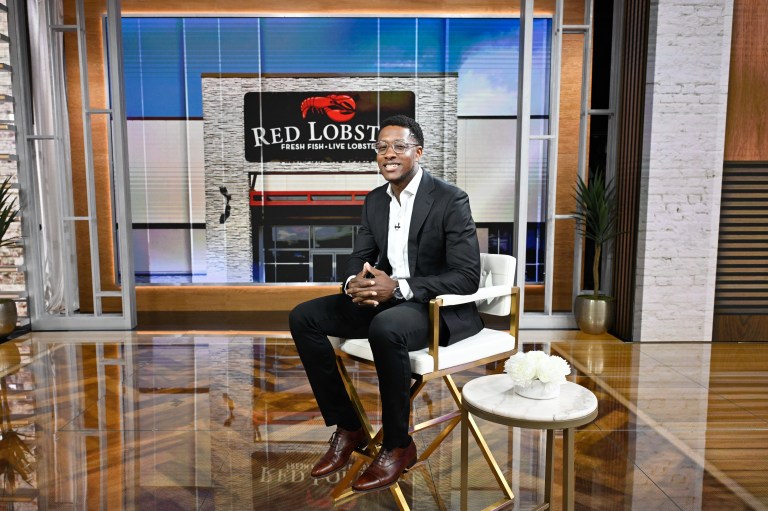
Red Lobster’s CEO on Weighing the Risks and Rewards of a Turnaround Role
Taking on the role of CEO at a company in crisis is never easy, and for Red Lobster’s current leader, the challenge is nothing short of monumental. With bankruptcy, shrinking market share, and a skeptical dining audience, the risks are immense. But so are the rewards—if the turnaround succeeds, it could restore one of America’s most recognized casual dining brands to its former glory.
The Risks of Leading a Turnaround
1. Financial Instability
When a company is in financial distress, a CEO inherits heavy baggage. Red Lobster recently faced bankruptcy, weighed down by debt and operational missteps. One infamous example was the “Endless Shrimp” promotion, which generated traffic but drained millions in losses. Walking into such instability puts any leader under intense scrutiny from investors, employees, and customers alike.
2. Leadership Pressure
Turnaround roles come with heightened pressure. Red Lobster has cycled through multiple CEOs in recent years, creating instability at the top. The current CEO must break that cycle, knowing that any misstep could lead to further decline. It’s not just about decision-making—it’s about restoring confidence in leadership across the entire organization.
3. Competitive Industry
Casual dining is one of the most competitive sectors in hospitality. With rivals modernizing menus, upgrading stores, and introducing new service models, Red Lobster cannot afford to lag behind. Standing out in a crowded market while juggling financial recovery is a tall order.
4. Execution Challenges
Big plans require flawless execution. Revamping menus, remodeling restaurants, retraining staff, and fixing supply chain inefficiencies all demand time and money. Even one failed initiative could derail progress.
The Rewards of a Successful Turnaround
1. Renewed Financial Health
By trimming underperforming stores, simplifying menus, and cutting unsustainable promotions, Red Lobster is on a path toward leaner, more profitable operations. If executed well, analysts project strong growth in operating income and improved margins over the next few years.
2. Restoring the Brand’s Identity
Red Lobster still holds a nostalgic place in American dining culture. By bringing back customer favorites like Cheddar Bay biscuits and classic shrimp dishes while adding new, exciting menu items, the company has a chance to reconnect emotionally with guests. Successful turnarounds are not only about numbers—they’re about reigniting brand love.
3. Improved Customer Experience
The CEO has emphasized hospitality and guest engagement as pillars of the revival. Initiatives that focus on recognizing and delighting customers are already boosting satisfaction scores. A friendlier, more personalized service model can help the chain stand out in a market where many casual restaurants feel interchangeable.
4. Long-Term Legacy
For any executive, leading a successful turnaround is career-defining. Pulling Red Lobster back from the edge of collapse would cement the CEO’s reputation as a resilient leader capable of managing high-stakes challenges.
Balancing the Two Sides
Taking on a turnaround CEO role is like walking a tightrope. On one side lies the risk of failure—bankruptcy, layoffs, and brand decline. On the other side lies the reward—restored profitability, customer loyalty, and a revitalized legacy.
For Red Lobster’s CEO, the strategy is about balance:
- Cut costs without cutting the soul of the brand.
- Modernize operations without alienating loyal customers.
- Take bold action while keeping risk under control.
This cautious yet determined approach signals a leader who understands the stakes but also sees the immense potential payoff.
Conclusion
Red Lobster’s CEO sits at the intersection of risk and opportunity. The company’s future hinges on decisions made today—whether it’s menu design, operational efficiency, or customer engagement. While the risks are steep, the rewards of a successful turnaround could redefine Red Lobster’s place in the restaurant industry and secure the CEO’s place in business history.