










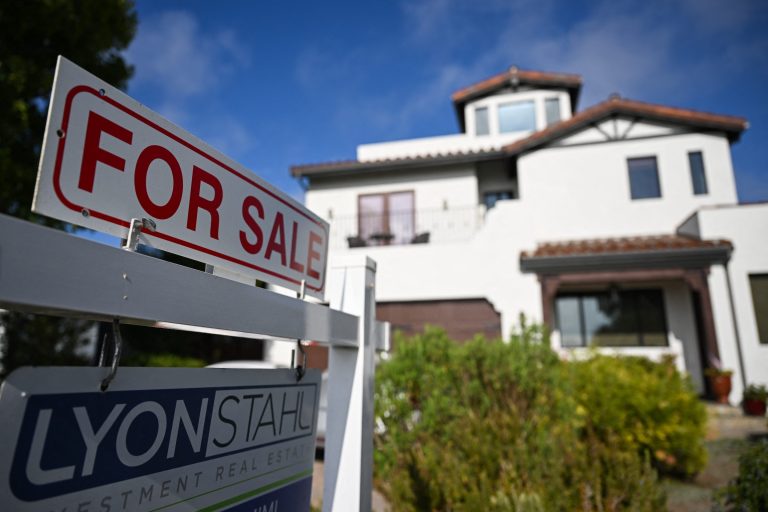
The Housing Market Is No Longer a Wealth-Building Engine as Home Prices Continue to Slump
For decades, owning a home in America was considered the ultimate wealth-building tool. Families bought houses not only as places to live but also as investments that steadily gained value over time. Rising property prices meant homeowners could tap into equity, borrow against appreciation, and pass on generational wealth. But in today’s economic climate, that long-standing belief is being challenged. With home prices slumping across many regions, the housing market no longer looks like the surefire wealth generator it once was.
The Shift in the Housing Market
The housing boom of the past decade was fueled by low interest rates, easy credit, and a surge in demand. Following the pandemic, historically low mortgage rates pushed more buyers into the market, driving home prices to record highs. But what goes up must eventually stabilize—or come down.
Now, a combination of rising mortgage rates, affordability pressures, and cooling demand has turned the tide. Many housing markets that were once hotbeds of bidding wars are experiencing price declines, reduced sales activity, and growing inventory.
Why Home Prices Are Slumping
Several key factors are contributing to the slowdown in the housing market:
- High Mortgage Rates: The jump in borrowing costs has priced out many potential buyers, shrinking demand.
- Affordability Crisis: Wages have not kept pace with the skyrocketing costs of homes, leaving fewer people able to buy.
- Economic Uncertainty: With inflation pressures and concerns about recession, households are cautious about making large financial commitments.
- Oversupply in Some Markets: In certain regions, a rush of construction and investor-owned properties has led to more supply than demand.
The result is clear: homes are sitting longer on the market, price cuts are becoming common, and sellers no longer hold the power they once did.
From Wealth Builder to Wealth Risk
Historically, homeowners relied on steady appreciation to build wealth. Equity growth was considered reliable, especially in major urban areas. But with declining or stagnant prices, that wealth-building engine has stalled.
- Equity Gains Are Shrinking: Many who bought during the peak of the pandemic boom now find their homes worth less than what they paid.
- Borrowing Against Homes Is Riskier: With slower appreciation, tapping home equity for loans or lines of credit is less attractive.
- Generational Wealth Is at Risk: Parents hoping to pass on property as a secure asset may face reduced long-term value.
For younger buyers, this shift is particularly disheartening. Many stretched their finances to enter the market, only to find their investment worth less than expected.
Regional Differences Still Matter
Not all housing markets are equal. While some metro areas are experiencing sharp declines, others remain relatively stable due to continued demand, limited supply, or strong local economies. For example, coastal cities and high-demand tech hubs are cooling quickly, while smaller towns with steady job growth may hold value better.
Still, the national trend shows that the era of runaway price growth—and guaranteed wealth building—is over, at least for now.
What This Means for Homeowners and Buyers
The new reality of the housing market has implications for both current homeowners and prospective buyers:
- Homeowners: Those who planned to sell may face longer waits and lower offers. Refinancing opportunities are limited due to high rates.
- Buyers: While prices are softening, affordability remains a challenge. Higher mortgage costs often offset the benefits of lower home prices.
- Investors: Rental property investors may face declining valuations, though demand for rentals is still strong due to fewer people buying.
A Broader Economic Concern
The housing market is deeply tied to the overall economy. When home values rise, consumer confidence grows, leading to more spending. When values fall, households may feel less wealthy and cut back, weakening economic growth.
A slumping housing market also impacts industries such as construction, real estate services, home improvement, and retail. This ripple effect can drag on broader economic momentum.
Final Thoughts
The American dream of homeownership as a path to wealth is being redefined in real time. While housing remains an important asset, it is no longer the guaranteed wealth-builder it once was. As home prices continue to slump, buyers and owners alike must adjust expectations, plan carefully, and recognize that real estate, like any investment, carries risks.
For now, the housing market looks less like a golden ticket to prosperity and more like a test of financial resilience in an uncertain economy.