






America’s Billionaires Are Older Than Ever, With One in Five Already in Their 80s or 90s—As Millennials Await the Great Wealth Transfer
The face of American wealth is aging at an unprecedented pace. Today, nearly one in five billionaires in the United States is already in their 80s or 90s, marking a historic demographic shift among the ultra-rich. While these aging titans of business continue to dominate wealth rankings, a younger generation—millennials and Gen Z—are watching closely as the much-discussed Great Wealth Transfer draws nearer.
An Aging Billionaire Class
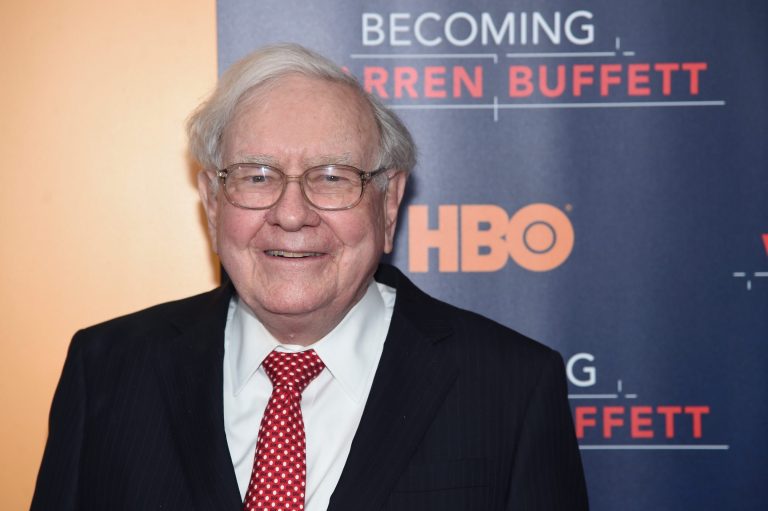
America’s billionaire class has traditionally been dominated by figures who built empires in technology, finance, real estate, and retail. But over the last two decades, one striking trend has emerged: billionaires are getting older. Many of the country’s richest names—Warren Buffett, George Soros, and Rupert Murdoch—are now well into their 90s. Others, like Phil Knight of Nike and Ray Dalio of Bridgewater, have crossed the 80-year threshold.
Unlike past generations, these magnates are holding onto their businesses, wealth, and influence for longer. Advances in healthcare, better lifestyles, and access to cutting-edge medicine have extended their careers well beyond the traditional retirement age. This longevity is reshaping both corporate leadership and wealth distribution.
The Waiting Millennials
For millennials—many of whom face economic challenges such as high student debt, housing shortages, and rising living costs—the aging billionaire class represents both frustration and opportunity. The Great Wealth Transfer, a projected handover of more than $80 trillion in assets over the next two decades, is expected to redefine economic power in America.
However, much of this wealth is still locked in the hands of aging billionaires and baby boomers who are reluctant to part with control. Estate planning, philanthropic foundations, and trusts will play a massive role in determining just how much of this wealth reaches younger generations.
Why the Delay Matters
The delay in wealth transfer has ripple effects across society:
- Slower generational turnover in leadership: With billionaires remaining active into their 80s and 90s, younger leaders face fewer opportunities to take charge of corporations or investment firms.
- Philanthropy in transition: Older billionaires are increasingly directing wealth toward philanthropy, raising questions about how much will be passed down versus given away.
- Rising wealth inequality: Millennials may inherit, but not all equally. Much of the transfer is concentrated within wealthy families, potentially widening the gap between rich and poor.
The Future of Wealth Distribution
As America’s wealthiest continue to age, their decisions will have profound consequences for the economy. Some are already laying out succession plans—such as Warren Buffett at Berkshire Hathaway—while others maintain firm control, leaving uncertainty about how their wealth will be managed posthumously.
For millennials and Gen Z, the Great Wealth Transfer represents both hope and challenge. Hope, because it could finally place trillions of dollars in the hands of younger Americans at a time when they are struggling to achieve financial stability. Challenge, because much of this wealth may bypass direct heirs in favor of charitable giving or long-term trust structures.
Final Thought
The aging billionaire class is not just a demographic curiosity—it is a defining economic story of our time. With one in five billionaires already in their 80s or 90s, the stakes of the coming wealth shift are enormous. Whether millennials benefit fully from this transfer, or watch it redirected elsewhere, will shape America’s financial and social landscape for decades to come.