









U.S. Farmer Warns of Dire Situation as Soybean Harvest Nears and China Orders Drop to Zero
As the fall harvest approaches, American soybean farmers are bracing for what could be one of the most difficult seasons in recent memory. With zero soybean orders coming from China—historically the largest buyer of U.S. soybeans—growers are sounding the alarm. One farmer summed up the mood bluntly: “We’re in a very dire situation.”
A Market Without Its Largest Customer
For decades, China has been the most important export market for U.S. soybeans, purchasing billions of dollars’ worth of the crop each year. The country’s growing livestock industry fueled massive demand for soybean meal, making U.S. farmers heavily dependent on that single market. However, ongoing geopolitical tensions, trade disputes, and a shift in China’s sourcing strategies have changed the dynamic dramatically.
This year, Chinese buyers have turned to Brazil and Argentina for their soybean needs, leaving U.S. exporters with empty order books. With zero shipments scheduled at a time when orders are usually flooding in, American farmers are left wondering how they will sell what could be a strong harvest.
Farmers Facing Mounting Pressure
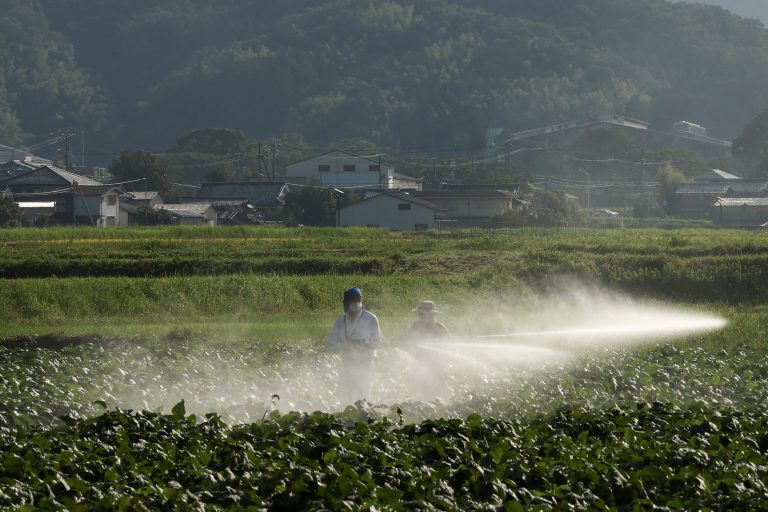
Soybeans are a cornerstone crop across the Midwest, with millions of acres dedicated to their production. For many family-owned farms, soybeans are a primary source of income. Without China’s demand, farmers are forced to rely on smaller markets, domestic consumption, or government support programs that often do not cover the true cost of lost trade.
The lack of Chinese orders also puts pressure on local storage facilities. Silos across key producing states could quickly fill up if global buyers do not step in, pushing prices lower as farmers scramble to find alternative outlets.
Broader Economic Impact
The ripple effects extend beyond the farm. Transportation networks, grain elevators, and processing facilities depend on strong export volumes to stay profitable. If demand remains weak, layoffs and reduced activity could spread throughout rural economies. Agricultural equipment manufacturers and suppliers are also expected to feel the strain as farmers cut back on spending.
Soybean prices on commodity markets have already shown volatility in response to weaker demand signals. Analysts warn that without a rebound in exports, prices could fall further during harvest season, compounding financial stress for growers.
China’s Strategic Shift
China’s move away from U.S. soybeans is not new, but the scale of the reduction this year is unprecedented. Long-standing trade disputes, coupled with China’s investment in South American agriculture, have given Chinese buyers more leverage to diversify supply. Brazil, in particular, has become the dominant player in global soybean exports, undercutting U.S. prices and securing long-term agreements with Chinese importers.
For American farmers, this shift raises urgent questions about the sustainability of relying on a single dominant customer. Experts note that rebuilding demand will require both market diversification and stronger trade relationships with other regions, such as Southeast Asia and the Middle East.
Farmers Call for Action
Farmers across the Midwest are calling on policymakers to address the growing crisis. Some are pushing for expanded trade agreements with alternative buyers, while others want additional support programs to cushion the blow of lost exports. Still, many farmers acknowledge that government aid is not a long-term solution.
“We don’t want handouts. We want markets,” one farmer explained. “Without new buyers, we can’t keep planting soybeans at the scale we’ve been used to.”
The Road Ahead
As the harvest begins, uncertainty hangs over America’s soybean belt. With no orders from China, farmers face the prospect of full silos, falling prices, and shrinking profits. The dire situation highlights both the risks of over-reliance on a single market and the urgent need for new strategies to keep U.S. agriculture competitive in a rapidly shifting global trade environment.
For now, soybean farmers are left to navigate one of the toughest seasons in years—hoping that new buyers emerge before the weight of unsold crops forces even more painful decisions.