










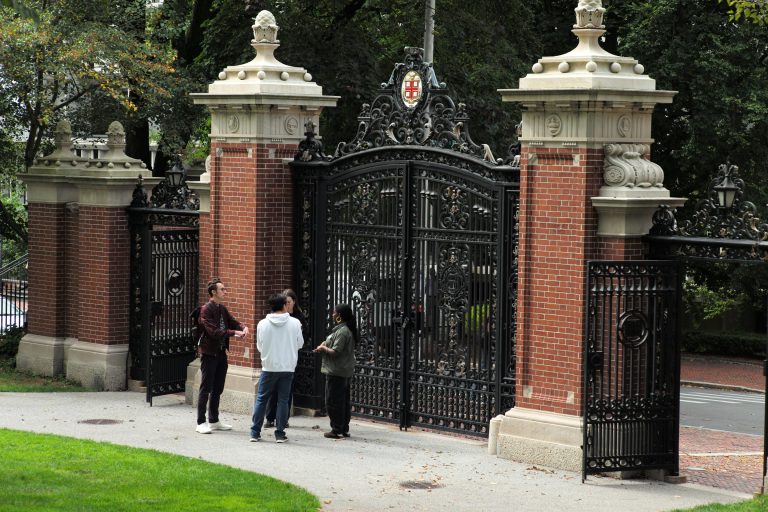
Trump’s Ivy League Deals Are Set to Funnel Cash to Trade Schools
In a surprising twist, former President Donald Trump’s latest set of deals with Ivy League institutions is poised to redirect significant cash flow toward trade schools. This development highlights a shift in America’s education and workforce landscape—one that balances elite university funding with a renewed focus on vocational training.
The Changing Face of Education Funding
For decades, Ivy League universities have commanded the lion’s share of attention, endowments, and high-profile deals. Their prestige often overshadows trade schools, which are vital for preparing students in fields like construction, healthcare, manufacturing, technology, and skilled labor. Trump’s new arrangements appear to link Ivy League resources with trade-focused initiatives, potentially creating a funding pipeline that benefits hands-on career training.
Why Trade Schools Are Back in the Spotlight
The U.S. economy has been grappling with a widening skills gap. Employers in industries such as logistics, infrastructure, and advanced manufacturing face shortages of qualified workers, even as thousands of graduates from four-year colleges struggle with underemployment. Trade schools, offering specialized training in months rather than years, provide a direct route to stable and often high-paying jobs.
Trump’s moves could give these institutions a financial boost at a time when demand for practical skills is surging. By leveraging Ivy League partnerships and investments, trade schools may gain access to new scholarships, training equipment, and industry collaborations that elevate their status.
Political and Economic Strategy
Trump has long positioned himself as an advocate for blue-collar workers. Aligning Ivy League funding with trade schools allows him to bridge two very different audiences: elite education circles and working-class communities. Strategically, this approach could help him appeal to a broad spectrum of voters while addressing one of America’s most pressing challenges—equipping the workforce for the future.
Economically, funneling cash to trade schools could stimulate local economies. Skilled workers are essential for infrastructure projects, real estate development, healthcare services, and even emerging fields like clean energy and robotics. Strengthening the pipeline of skilled labor creates ripple effects that support growth at both state and national levels.
Potential Benefits for Students
For students, this shift could mean:
- More scholarships and financial aid linked to vocational programs.
- Access to cutting-edge technology and training facilities through Ivy League partnerships.
- Stronger job placement pipelines connecting graduates directly with industries in need.
- Reduced student debt burdens, as trade schools typically cost less and have shorter programs than four-year universities.
Challenges and Criticisms
While the idea of redirecting Ivy League cash toward trade schools sounds promising, critics warn of several challenges. Some argue that universities may use this as a public relations strategy without making meaningful changes. Others worry about whether funds will be distributed fairly across diverse trade programs nationwide. Additionally, there is concern that political motivations could overshadow the real needs of students and industries.
A Step Toward Balance in Education
The U.S. education system has often been criticized for overemphasizing four-year degrees while neglecting skilled trades. Trump’s deals could represent a step toward rebalancing the equation, giving students more diverse options and empowering industries with the workforce they desperately need.
Looking Ahead
If implemented effectively, these Ivy League-to-trade school funding initiatives could reshape the future of American education. By channeling prestige and capital from elite universities into practical, career-driven institutions, the nation may finally start closing the skills gap while providing millions of students with a clear, debt-conscious pathway to success.