








Why John Furner Is the CEO Walmart Needs Right Now
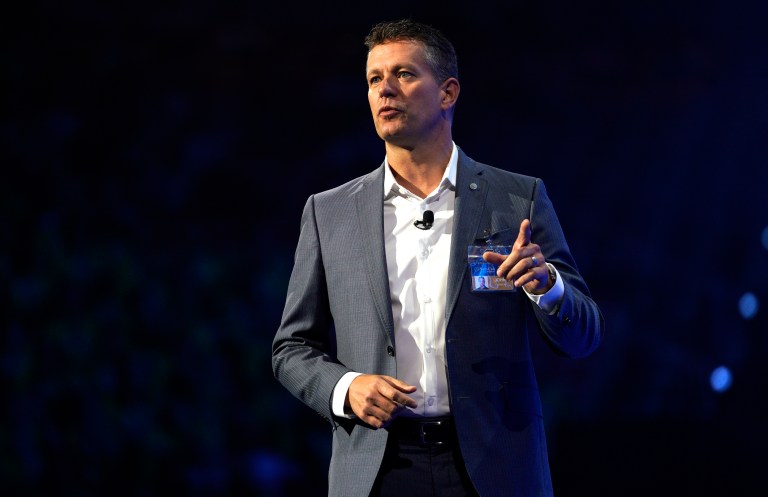
Walmart’s board has picked a leader whose journey mirrors the company’s evolution — and who is uniquely equipped to steer it through its next major inflection point. John Furner’s rise from an hourly associate to Chief Executive Officer represents more than a personal success story: it underlines Walmart’s strategic direction for the future. Here’s why Furner is the right CEO for Walmart right now, and what this means for the world’s largest retailer.
1. Deep Institutional Knowledge
- Thirty Years on the Ground: Furner joined Walmart in 1993 as an hourly associate in Bentonville.
- Cross-Functional Experience: Over his career, he’s held roles in operations, merchandising, global sourcing, and management — including leadership in Walmart China.
- U.S. Business Leadership: Since 2019, he’s run Walmart U.S., overseeing 4,600+ stores, the digital business, and the supply chain.
- This deep exposure across the company gives him a holistic understanding — from store-level operations to global strategy. As Walmart’s Chairman Greg Penner said, he “understands every dimension of our business.”
Why it matters: In an era of rapid change — particularly with technology, e-commerce, and AI disrupting retail — Walmart needs someone who truly knows its DNA, how its people work, and where its strengths lie. Furner’s internal experience provides that continuity.
2. Proven Operational Excellence & Crisis Leadership
- Performance Through Turbulent Times: During the COVID-19 pandemic, Furner led Walmart U.S. to maintain inventory, meet surging demand, and leverage its supply chain aggressively.
- Digital Sales Surge: Under his watch, Walmart’s digital channel grew significantly, supporting the company’s omni-channel transformation.
- Frontline Focus: Furner has made meaningful investments in people — for example, raising pay for hundreds of thousands of store associates in stocking and digital roles.
- Financial Discipline: In its 2024 annual report, Walmart credits Furner’s leadership for growing operating income faster than sales in the U.S. business.
Why it matters: Operational excellence is non-negotiable for Walmart. To stay competitive, Walmart must balance low-margin retail with high-volume logistics and digital complexity. Furner has demonstrated that he can do this reliably and profitably.
3. Human-Centric Leadership & Culture
- From Associate to CEO: His career path is an embodiment of Walmart’s “promote-from-within” culture — a powerful signal to employees that growth is real and grounded in merit.
- Empathy & Listening: Furner often credits his childhood on an Arkansas farm and his experience playing guitar for developing his pattern recognition and listening skills — traits he applies in business decision-making.
- Associate Investment: He has repeatedly emphasized investing in the workforce. During his U.S. leadership, he committed to raises, better work models, and opportunities for development.
Why it matters: Culture drives execution. Walmart’s scale means associate engagement isn’t just a “nice to have” — it’s central to service quality, retention, and efficiency. Furner’s grounded leadership is well-suited for maintaining morale even as the company evolves.
4. Vision for AI & Technology-Driven Transformation
- AI-Driven Strategy: The Walmart board explicitly tapped Furner to lead the company’s “next AI-driven transformation.”
- Digital Twins for Stores: Under his vision, Walmart is building “digital twins” of its stores — virtual replicas used to simulate layouts, optimize operations, and test new merchandising strategies.
- Empowering, Not Replacing, Workers: Furner has emphasized that AI isn’t about cutting jobs, but transforming roles. Repetitive tasks are automated, while human workers shift to more engaging, higher-value functions.
- Training & Reskilling: Walmart is preparing its workforce for the AI era, training associates in new skills so they can thrive in more technology-enabled roles.
Why it matters: As retail technology accelerates, Walmart’s competitive advantage will depend on how well it integrates AI with its massive physical footprint and workforce. Furner’s balanced philosophy — combining tech ambition with people-first execution — positions the company to lead without alienating its core workforce.
5. Strategic Continuity & Long-Term Stability
- Smooth Succession: Furner’s succession was announced well in advance, allowing for a thoughtful transition. McMillon will remain until early 2027 to support Furner’s onboarding.
- Board Confidence: The Walmart board, including Chairman Greg Penner, has endorsed Furner’s leadership, citing his ability to “deliver results while living our values.”
- Staying the Course: Rather than signaling a radical pivot, promoting Furner indicates Walmart wants to deepen its current capabilities — particularly in digital, AI, and operations — while preserving what makes it strong.
Why it matters: In retail, abrupt leadership changes can disrupt momentum. By elevating a proven internal leader, Walmart ensures strategic consistency even as it accelerates transformation.
6. Strong Track Record at Sam’s Club
- Sales Momentum: Before leading Walmart U.S., Furner was CEO of Sam’s Club. During his tenure, Sam’s posted 11 consecutive quarters of positive comparable-sales growth.
- Membership Growth: He strengthened Sam’s value proposition, improving the merchandise mix and enhancing member engagement.
- Merchant Mindset: His experience at Sam’s honed his merchandising sensibility — knowing how to balance price, assortment, and member value.
Why it matters: Walmart U.S. remains a highly competitive, low-margin business where scale matters. Furner’s success at Sam’s shows he can grow in a value-driven environment, building customer loyalty while driving financial performance.
7. Credibility with Stakeholders & the Market
- Analyst and Board Praise: Observers have called Furner a “logical and capable successor” who understands both the operational and technological sides of Walmart’s business.
- Investor Confidence: His promotion signals continuity and competence — reassuring investors that Walmart’s next chapter builds on its current strengths.
- Public Image: Furner’s personal journey resonates — an hourly worker who rose through merit — which aligns with Walmart’s brand promise of affordability, hard work, and upward mobility.
Why it matters: For Walmart to thrive, it needs trust from customers, employees, and investors. Furner’s background and reputation help maintain that trust while pushing the company forward.
Conclusion: The Right Leader for Walmart’s Future
John Furner’s appointment as CEO is not just symbolic, but strategically deliberate. In him, Walmart isn’t merely rewarding loyalty — it’s banking on a leader who:
- Understands Walmart’s past and present: He’s grown inside the company and lived the frontline experience.
- Executes with discipline: He’s delivered results during crises and scaled operations profitably.
- Believes in people: He prioritizes associate welfare and career development even while driving change.
- Embraces technology responsibly: He sees AI not as a threat to jobs, but as a tool to make work more meaningful.
- Provides continuity with vision: He ensures stability while leading Walmart into its next transformation, not by tearing things apart, but by building on what works.
In short, John Furner is precisely the CEO Walmart needs at this moment — someone who can ground the company in its core values, yet push aggressively into a future defined by AI, automation, and omnichannel retail.