










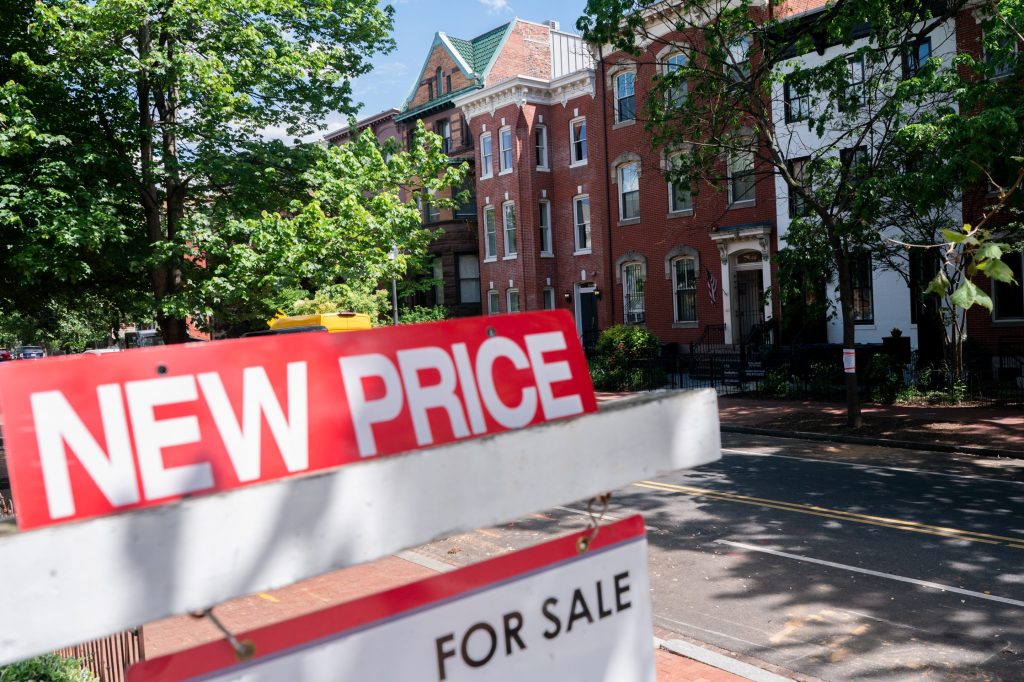
More Than Half of U.S. Homes Have Dropped in Value Over the Last Year — And Nearly All Houses in These Cities Have Seen Losses
U.S. housing market has entered a sharp and unexpected cooling phase. More than half of all homes across the country have lost value compared to last year, marking one of the steepest broad declines since the post-2008 recovery.
While the national headlines highlight a “soft landing” for housing, the reality at the local level is far more uneven — and in some cities, almost every homeowner has seen their property value fall.
The downturn is exposing the fragile balance between high mortgage rates, affordability pressures, demographic shifts, and overbuilt pandemic-era markets. For millions of homeowners, the equity gains of the past few years are suddenly shrinking.
📉 Why So Many Homes Are Losing Value? Key Factors Behind the Decline
1. Mortgage rates hovering near multi-decade highs
Even as inflation cools, mortgage rates remain elevated, keeping buyers sidelined.
Fewer buyers = less demand = falling prices.
2. Pandemic boomtown corrections
Cities that saw explosive growth in 2020–2022 are now experiencing the harshest declines.
Remote work reversed, people moved back to major metros, and inflated prices couldn’t hold.
3. Inventory finally rising
After years of historic shortages, new listings have increased in many markets.
Higher supply, lower demand — the result is predictable.
4. Investors pulling back
Large-scale investors, who bought aggressively in 2021–2022, have paused acquisitions.
In some cities, investor withdrawal alone triggered price drops.
5. Affordability crisis pushing buyers out
The typical American household today can afford only 20–25% fewer homes than five years ago.
The buyer pool is shrinking — and so is home equity.
🏙️ Cities Where Nearly Every Home Has Lost Value
While national declines are concerning, some cities are experiencing an overwhelming downturn — with 90% to 99% of homes showing year-over-year value losses.
These markets have one thing in common:
They overheated fast, and now the reset is even faster.
1. Austin, Texas
Once the poster child of pandemic migration, Austin’s prices have corrected sharply.
- Tech layoffs
- Overbuilt suburbs
- Fewer remote workers moving in
Result: nearly all ZIP codes show negative appreciation.
2. Phoenix, Arizona
After years of rapid appreciation, Phoenix is cooling dramatically.
Investor pullback is a major factor, along with affordability hitting limits.
3. Boise, Idaho
Boise saw some of the fastest price spikes in the nation — and now one of the fastest falls.
Local incomes could never sustain boom-era pricing.
4. Las Vegas, Nevada
Tourism fluctuations, investor unloading, and rising supply are pushing prices down across most neighborhoods.
5. Salt Lake City, Utah
The market overheated during the remote-work boom. Prices are now normalizing — hard.
6. Sacramento, California
Once a top relocation city for Bay Area residents, migration has slowed while inventories keep rising.
7. Denver, Colorado
High mortgage rates + declining buyer interest have pushed many properties into negative territory.
📊 What About the Rest of the Country?
Nationally:
- 55%+ of homes have lost value year over year
- Midwestern cities remain more stable
- Southern and Mountain West cities show the steepest declines
- Luxury markets are seeing the biggest percentage drops in equity
- Smaller, affordable metros are showing resilience
This is not a crash — but a nationwide correction.
🧭 What This Means for Homeowners
If your home has lost value, you’re not alone. The downturn is widespread, and in many markets, temporary.
Homeowners should avoid panic selling, as most analysts expect prices to stabilize once mortgage rates ease.
Short-term impact
- Lower home equity
- Fewer buyers
- Longer time needed to sell
Long-term outlook
Economists expect:
- Gradual stabilization as rates decline
- Stronger recovery in affordable markets
- Slower rebound in pandemic boomtowns
🔍 What Buyers Should Know
This may be the best opportunity in years for:
- First-time homebuyers
- Investors waiting for a correction
- Buyers in previously overheated cities
Less competition and falling prices are finally creating openings after years of bidding wars.
🌟 The Bigger Picture
The U.S. housing market is undergoing a reset — not a collapse.
But the severity of the reset depends heavily on geography.
For many homeowners, especially in cities that boomed too fast, the price of the pandemic housing surge is now coming due.
The bottom line:
More than half of U.S. homes are worth less today than they were last year, and in some cities, nearly every homeowner has taken a hit.
But as the market recalibrates, opportunities are emerging — and the next upswing may favor buyers who stay patient and informed.