









How Campbell’s Leaked Audio Turned a Pantry Staple Into a PR Crisis
Introduction: When a Kitchen Staple Lands in Hot Water
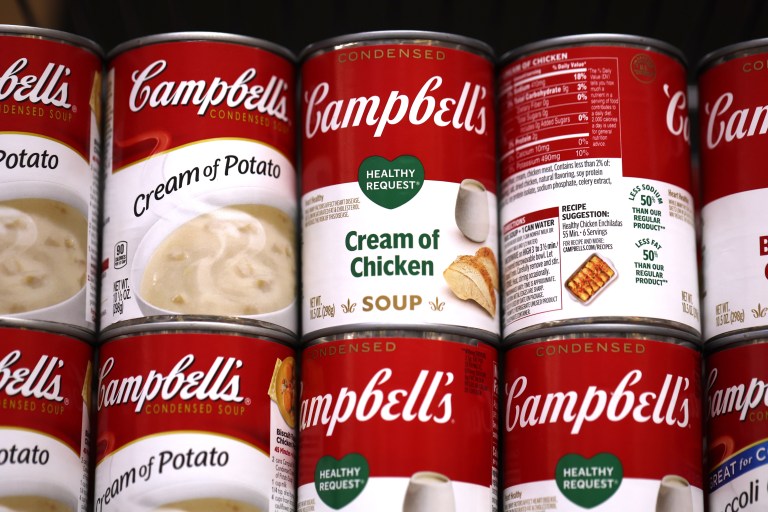
Campbell’s has been a household name for over a century — the red-and-white cans are practically synonymous with comfort food. But a recently leaked internal audio clip has pushed the iconic brand straight into a PR firestorm.
The recording, which surfaced on social media and spread rapidly across TikTok, X, and Reddit, contains comments allegedly made by senior Campbell’s executives that consumers found insensitive, dismissive, or misleading.
Within hours, hashtags like #CampbellsCrisis, #SoupGate, and #BoycottCampbells began to trend, turning a pantry staple into the internet’s newest controversy.
What Was in the Leaked Audio?
According to multiple reports, the leaked audio captured internal discussions that raised major concerns about:
1. Product Quality & Ingredient Changes
Executives allegedly spoke about adjusting ingredients to cut manufacturing costs — in ways that some listeners interpreted as compromising product quality.
- Mentions of “consumer won’t notice”
- Discussions about replacing certain vegetables with cheaper alternatives
- References to scaling back protein levels
This immediately struck a nerve with loyal customers who rely on Campbell’s for consistent quality.
2. Comments About Consumer Behavior
The clip also included remarks that came off as insensitive toward consumers, including references to:
- “emotional buyers”
- “brand loyalists who won’t switch even if we change formulas”
- “people buy soup out of habit, not taste”
Such comments fueled social media outrage, with users accusing the brand of taking advantage of consumer trust.
3. Marketing Transparency Issues
Perhaps the most damaging part was the implication that certain marketing claims were intentionally exaggerated or “crafted to sound healthier than they are.”
This was enough to spark discussions around misleading advertising — a major red flag in today’s transparency-driven market.
Why the Campbell’s Leak Became a Full-Blown PR Crisis
Not all corporate leaks go viral. But Campbell’s became a perfect storm because of three factors:
1. A Legacy Brand = Higher Expectations
Campbell’s is more than just soup. It’s nostalgia, tradition, and trust. When consumers feel that a legacy brand has betrayed that trust, the reaction is far sharper.
2. Viral Amplification on Short-Form Platforms
Within minutes, TikTok creators were:
- Breaking down the audio
- Analyzing each “damaging” statement
- Making meme-style reactions
- Calling for a boycott
Short-form platforms amplify outrage faster than traditional news cycles ever could.
3. Food Companies Face Extra Scrutiny
People are especially sensitive about what goes into their food. Even a hint of dishonesty can trigger massive backlash.
How Consumers Reacted Online
The internet exploded almost immediately. Here’s what drove the outrage:
🌪 Viral Hashtags
- #CampbellsCrisis
- #BoycottCampbells
- #SoupGate
- #CanOfChaos
🔥 Trending Reactions
- Users comparing old vs. new soup consistency
- “I trusted Campbell’s my whole childhood” videos
- Dieticians weighing in on ingredient transparency
- Remixes of the leaked audio going viral
The controversy even sparked a wave of user-generated tests — consumers opening cans, rating soup thickness, and analyzing ingredients.
Campbell’s Official Response
Campbell’s PR team quickly released a statement emphasizing:
- The clip was “taken out of context”
- No harmful ingredients were added
- Product quality “remains top priority”
- An internal review is being conducted
But critics argue the response felt corporate and deflective, not empathetic.
Marketing experts say Campbell’s missed the chance to acknowledge consumer concerns with authenticity — a key requirement for crisis management today.
Could This Crisis Affect Campbell’s Market Position?
Yes — and in multiple ways.
1. Brand Trust Decline
Once trust is shaken in the FMCG (Fast-Moving Consumer Goods) sector, recovery is slow. Consumers have many alternatives.
2. Supermarket Partners May Push for Clarity
Retailers like Walmart, Target, and Kroger may request:
- Updated quality assurances
- Transparent ingredient breakdowns
- Fresh marketing claims
3. Competitors Benefit
Brands like Progresso, Amy’s, and private-label soups could gain traction as consumers “experiment” due to the controversy.
What This Crisis Means for the Food Industry
Campbell’s saga highlights major lessons for brands:
1. Internal Conversations Are Never Truly Private
In the era of smartphones, leaks are inevitable.
2. Consumers Demand Radical Transparency
Ingredient honesty, clean labels, and ethical marketing are non-negotiable.
3. Crisis Response Must Be Swift AND Human
A polished corporate statement is no longer enough.
Will Campbell’s Recover?
Most likely yes — but only if they:
- Provide clear ingredient transparency
- Offer an honest explanation
- Introduce quality assurance campaigns
- Rebuild trust through community engagement
Brands with deep nostalgic value often survive PR storms — but only when they adapt.
Conclusion: The Soup That Stirred the Internet
Campbell’s leaked audio turned a nostalgic pantry staple into a trending PR controversy. The episode serves as a reminder that today’s consumers value honesty, quality, and transparency more than ever.
If Campbell’s wants to restore its long-held image as America’s most trusted soup, the company must now address the issue head-on — not just with statements, but with actions.