




Fans Brand World Cup Ticket Prices “Disgraceful” as Cost Fears Overshadow 2026 Tournament
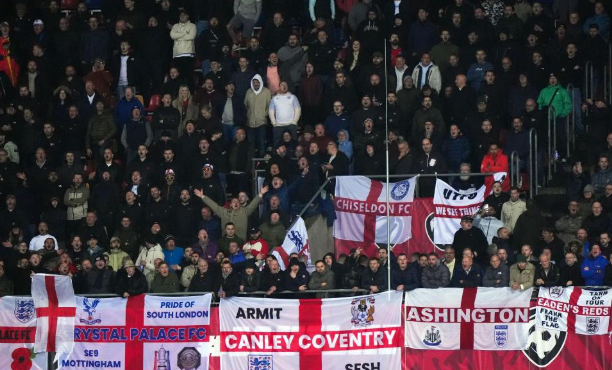
Football fans across the world have reacted with anger and disbelief after ticket prices for next year’s FIFA World Cup were revealed, with supporters’ groups accusing football’s governing body of pricing ordinary fans out of the sport’s biggest event. The backlash has intensified in recent days as details emerged showing that attending multiple matches could cost thousands of dollars before travel and accommodation are even considered.
According to supporters’ organisations, fans hoping to follow their national teams through the group stages and into the knockout rounds could face ticket bills running into several thousand dollars, far higher than at previous World Cups. Critics argue that the use of variable pricing models and the limited availability of lower-priced tickets through national associations have pushed costs beyond the reach of working-class supporters who traditionally form the backbone of World Cup crowds.
Football Supporters Europe, which represents fan groups from across the continent, described the prices as “extortionate” and urged FIFA to pause ticket sales until a fairer pricing structure is introduced. The group warned that the current system risks turning the World Cup into an event dominated by corporate guests and wealthy tourists rather than passionate supporters, damaging the atmosphere that has long defined the tournament.
The criticism has not been limited to fans. Former FIFA officials and national football associations have also expressed concern, with some describing the pricing strategy as a betrayal of football’s promise of accessibility and global unity. In several countries, supporter groups have called on their national associations to challenge FIFA directly, while discussions of protests and boycotts have begun to surface among fan communities.
Managers and players have also acknowledged the growing frustration. Some national team coaches have publicly advised fans not to place themselves under financial strain to attend the tournament, highlighting the widening gap between football’s commercial growth and the realities faced by supporters.
FIFA has defended its approach by pointing to high demand, noting that millions of ticket requests were made shortly after sales phases opened. The governing body maintains that a range of price categories exists and that hosting the expanded tournament across three countries inevitably increases operational costs.
Despite those assurances, the controversy has cast a shadow over preparations for the 2026 World Cup. For many fans, excitement about the tournament is now mixed with resentment, as they question whether the world’s most popular sport is drifting further away from the people who helped make it global.