







Heritage and Creativity Take Center Stage in Today’s Cultural Landscape
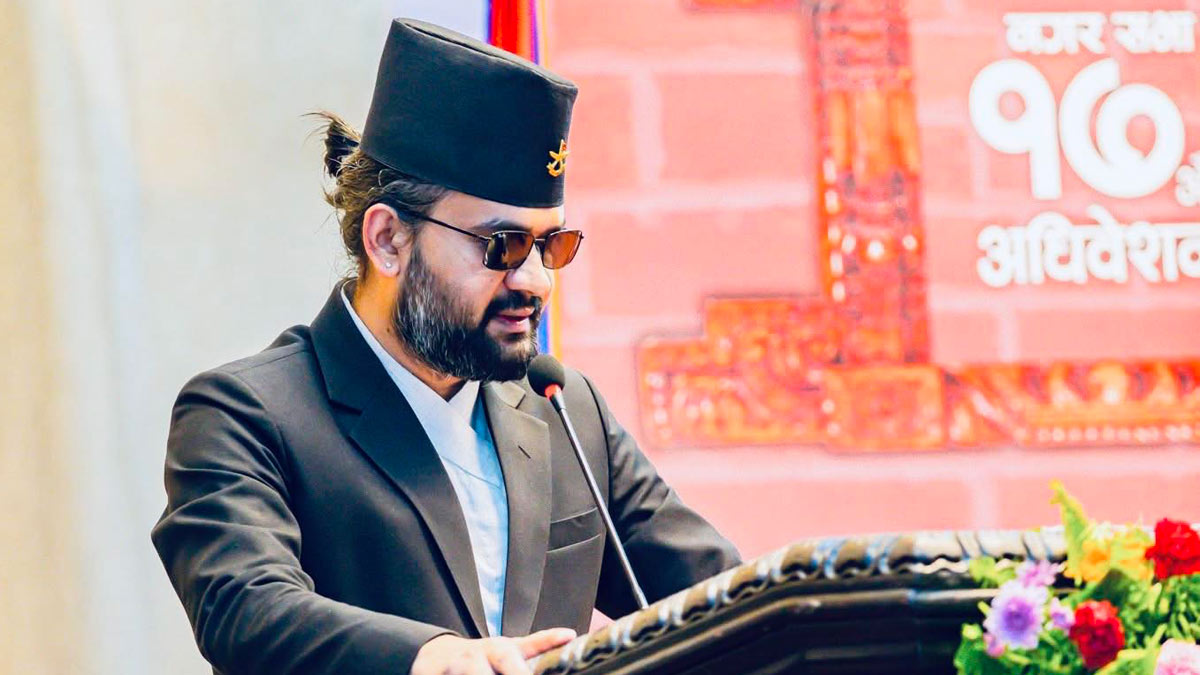
Heritage and creativity came together today as cultural activities across the country highlighted the enduring connection between tradition and contemporary expression. Artists, writers, performers, and cultural practitioners showcased how age-old customs continue to inspire new forms of creativity, drawing strong public interest and participation.
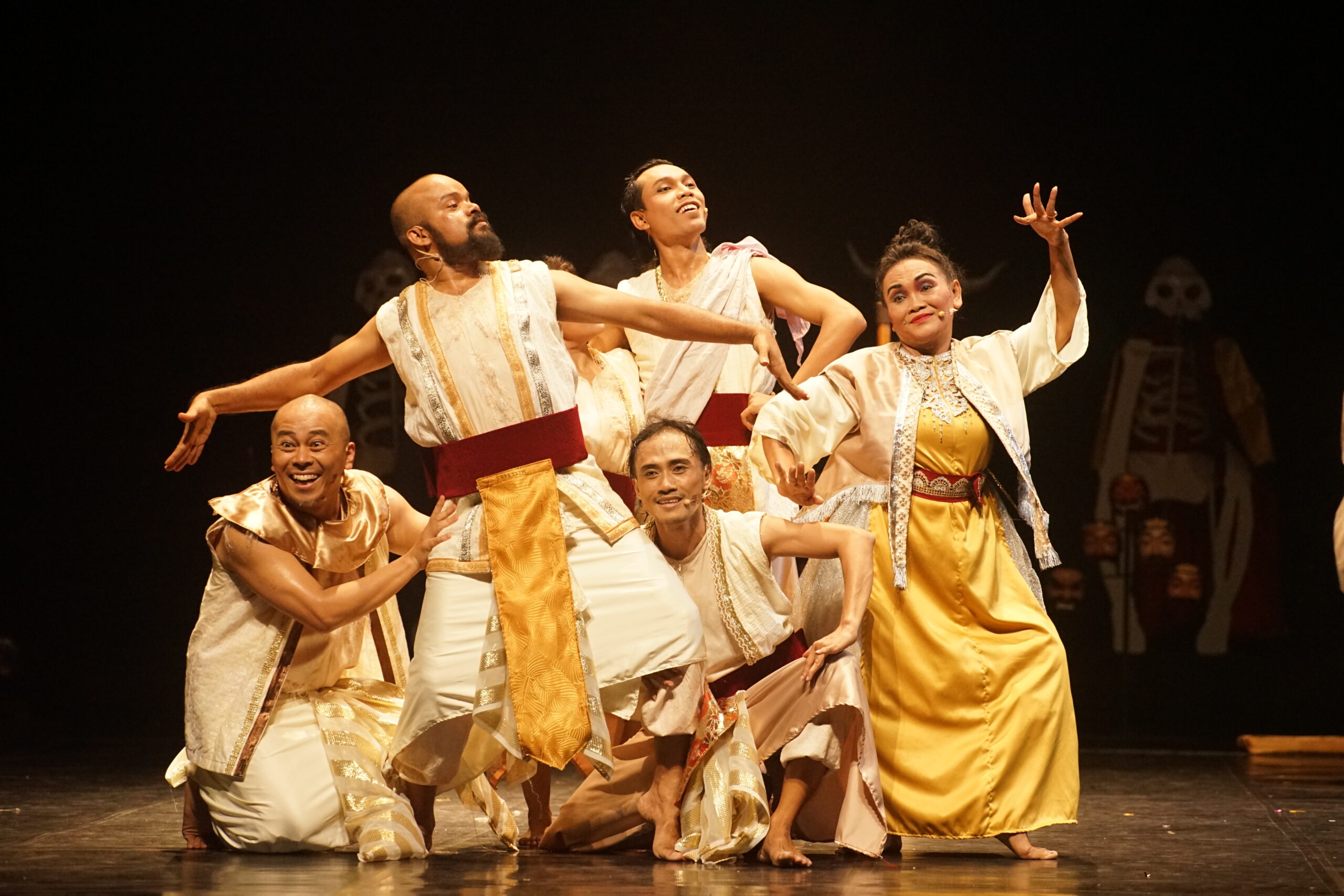
Exhibitions, discussions, and performances reflected a growing effort to preserve cultural identity while adapting to modern influences. Traditional art forms were presented alongside innovative interpretations, demonstrating how heritage remains a living, evolving force rather than a static reminder of the past. Organizers emphasized that cultural preservation thrives best when it encourages creative dialogue across generations.
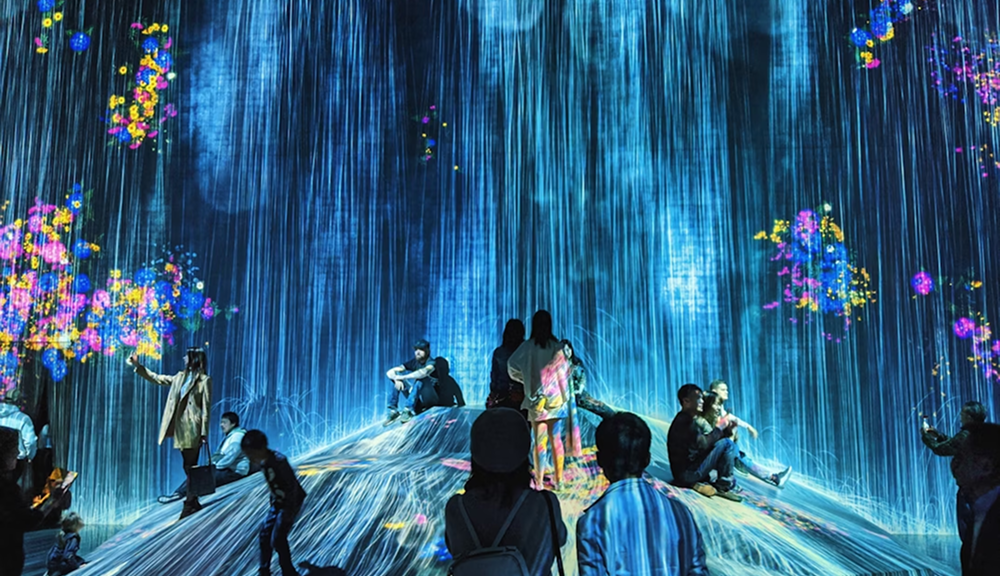
Literary and artistic communities also played a prominent role, using storytelling, visual arts, and music to address social themes and collective memory. These creative expressions not only celebrated history but also explored contemporary realities, offering audiences a deeper understanding of cultural continuity and change.
Educational institutions and cultural organizations highlighted the importance of engaging young people in heritage-based activities. By introducing traditional crafts, language, and performance styles through modern platforms, they aim to ensure that cultural knowledge is passed on in ways that resonate with a new generation.
Observers noted that such cultural engagement strengthens social cohesion and promotes mutual respect in an increasingly diverse society. In a rapidly changing world, the blending of heritage and creativity serves as a reminder that cultural roots can provide both identity and inspiration.
As cultural events continue to attract attention and participation, today’s developments underline a broader message: heritage remains relevant when it is embraced creatively, allowing tradition and innovation to share the same stage in shaping the cultural landscape.