






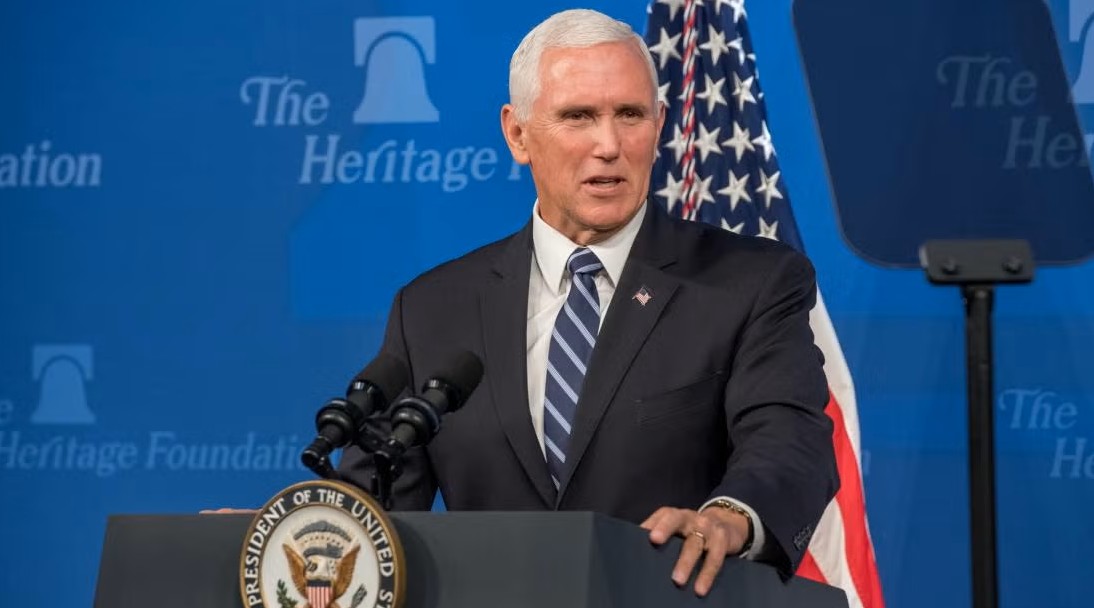
Heritage Foundation Faces Internal Rift as Senior Officials Move to Mike Pence–Linked Nonprofit
The conservative policy world in the United States is witnessing a significant shake-up as several top officials from the Heritage Foundation have departed to join a nonprofit organization associated with former Vice President Mike Pence. The exits point to growing internal divisions within one of Washington’s most influential right-leaning think tanks, raising questions about its future direction and unity.
According to people familiar with the developments, the departures stem from disagreements over leadership style, priorities, and the ideological path the organization should take in a rapidly changing political environment. The Heritage Foundation has long played a central role in shaping conservative policy ideas, particularly on issues such as government spending, national security, and social policy. However, recent tensions suggest that consensus within the institution has become harder to maintain.
Mike Pence’s nonprofit, which focuses on promoting traditional conservative values and constitutional principles, appears to be attracting figures who believe the current political moment requires a clearer and more disciplined message. Their move signals an effort to regroup around a brand of conservatism they feel is being diluted or overshadowed elsewhere.
Political analysts say the split reflects broader fractures within the American conservative movement, as leaders and institutions debate how closely to align with populist trends versus maintaining long-standing ideological frameworks. The movement of experienced policy experts and strategists away from Heritage could temporarily weaken the think tank’s influence, while strengthening Pence’s role as a voice for a particular faction within conservatism.
The Heritage Foundation has not publicly framed the departures as a crisis, but the loss of senior staff is likely to have an impact on its research agenda and public outreach. At the same time, the episode highlights how think tanks, often seen as stable pillars of political thought, are not immune to the same divisions affecting political parties and voters.
As the U.S. heads into another intense political cycle, the realignment of conservative leaders and institutions suggests that debates over the future of the movement are far from settled, and that ideological battles are increasingly being fought not only at the ballot box, but within the organizations that shape policy ideas behind the scenes.