










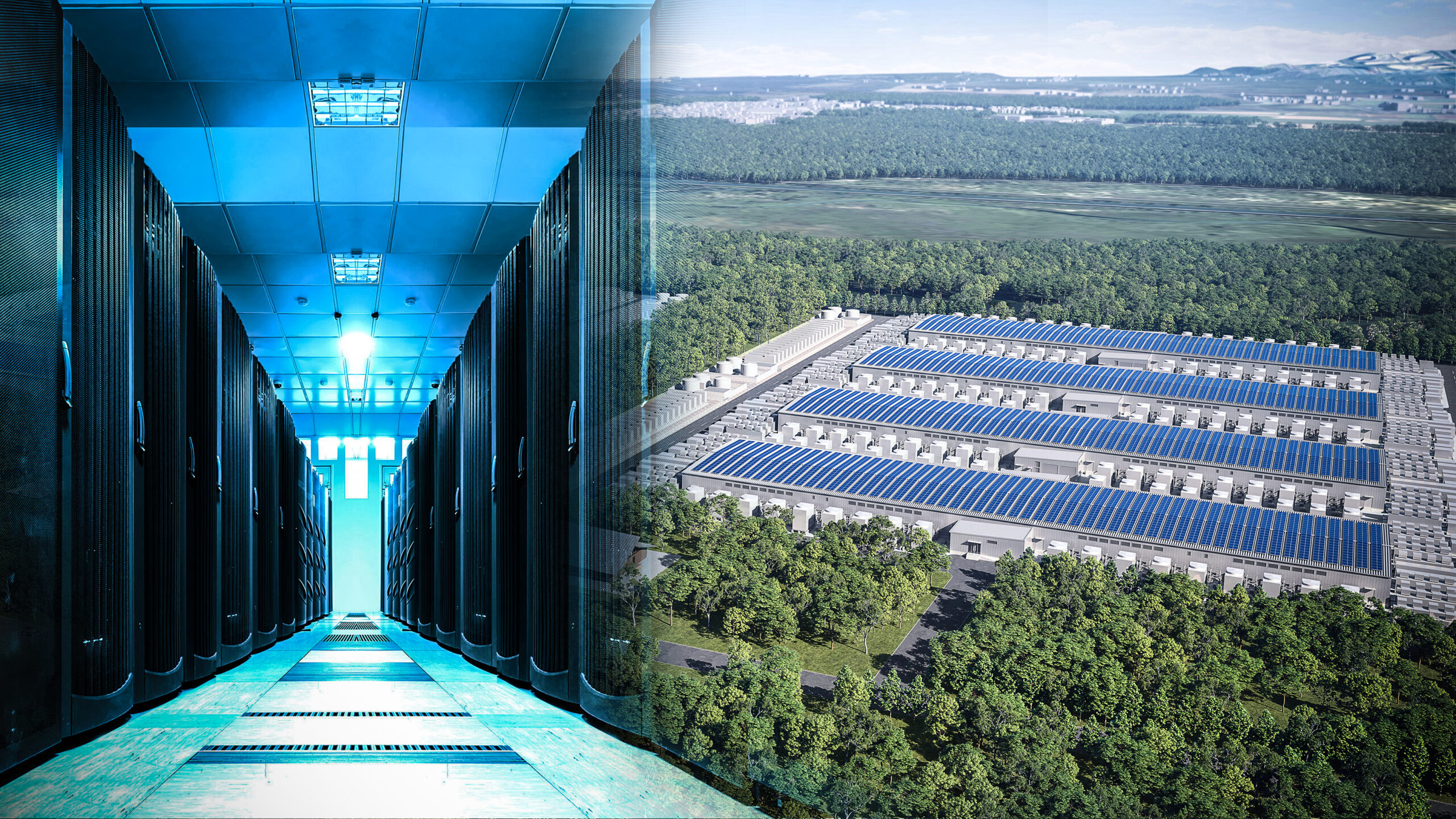
Japan’s Biggest Data Center Emerges as Blueprint for Rapid Digital Expansion
Japan’s largest data center is being positioned as a model for how countries can rapidly expand digital infrastructure to meet soaring demand from cloud computing, artificial intelligence, and data-driven services. According to its developer, the project demonstrates that speed, scale, and sustainability can coexist—even in a country known for complex regulations and limited land availability.
Located near major urban and industrial hubs, the facility was designed to support hyperscale computing needs while minimizing construction time. The developer says the data center moved from planning to operation far faster than traditional projects by relying on modular construction, standardized designs, and close coordination with local authorities. These methods allowed large sections of the facility to be built off-site and assembled quickly, reducing delays and labor constraints.
As global demand for data centers accelerates, Japan’s approach is drawing attention from international investors and policymakers. The rise of artificial intelligence, streaming services, and digital finance has created urgent pressure for reliable and energy-efficient infrastructure. Many countries are struggling to keep pace, often slowed by lengthy permitting processes and concerns over power consumption. The Japanese project, developers argue, shows how these barriers can be addressed without sacrificing safety or environmental standards.
Energy efficiency is central to the facility’s design. The data center uses advanced cooling systems that significantly reduce electricity and water consumption compared to older facilities. It also relies heavily on renewable energy sources, aligning with Japan’s broader push toward decarbonization. By integrating sustainability from the outset rather than as an afterthought, the developer believes future projects can gain faster approval and stronger public support.
The project also highlights the importance of public-private cooperation. Early engagement with regulators and utilities helped ensure grid readiness and compliance with seismic and safety standards. This collaborative approach, the developer says, can be replicated elsewhere, particularly in fast-growing Asian markets and regions racing to attract technology investment.
Industry analysts note that while Japan’s model may not translate perfectly to every country, the underlying principles are widely applicable. Standardization, modular building, and early stakeholder engagement can significantly shorten development timelines. As digital infrastructure becomes as critical as roads and power plants, the need for faster deployment is becoming a strategic priority.
With governments worldwide competing to host the next generation of digital services, Japan’s biggest data center stands as more than a single achievement. It offers a practical example of how large-scale infrastructure can be built quickly, responsibly, and at a scale suited to the data-driven economy of the future.