





UNESCO Adds New Cultural Traditions to World Heritage List
The United Nations Educational, Scientific and Cultural Organization (UNESCO) has recently added a number of cultural traditions and practices from around the world to its Intangible Cultural Heritage List, emphasizing the importance of protecting global cultural diversity and heritage. The announcement came during a high-level international meeting, where representatives from multiple countries gathered to discuss ways to preserve traditions that are at risk of disappearing due to modernization and globalization.
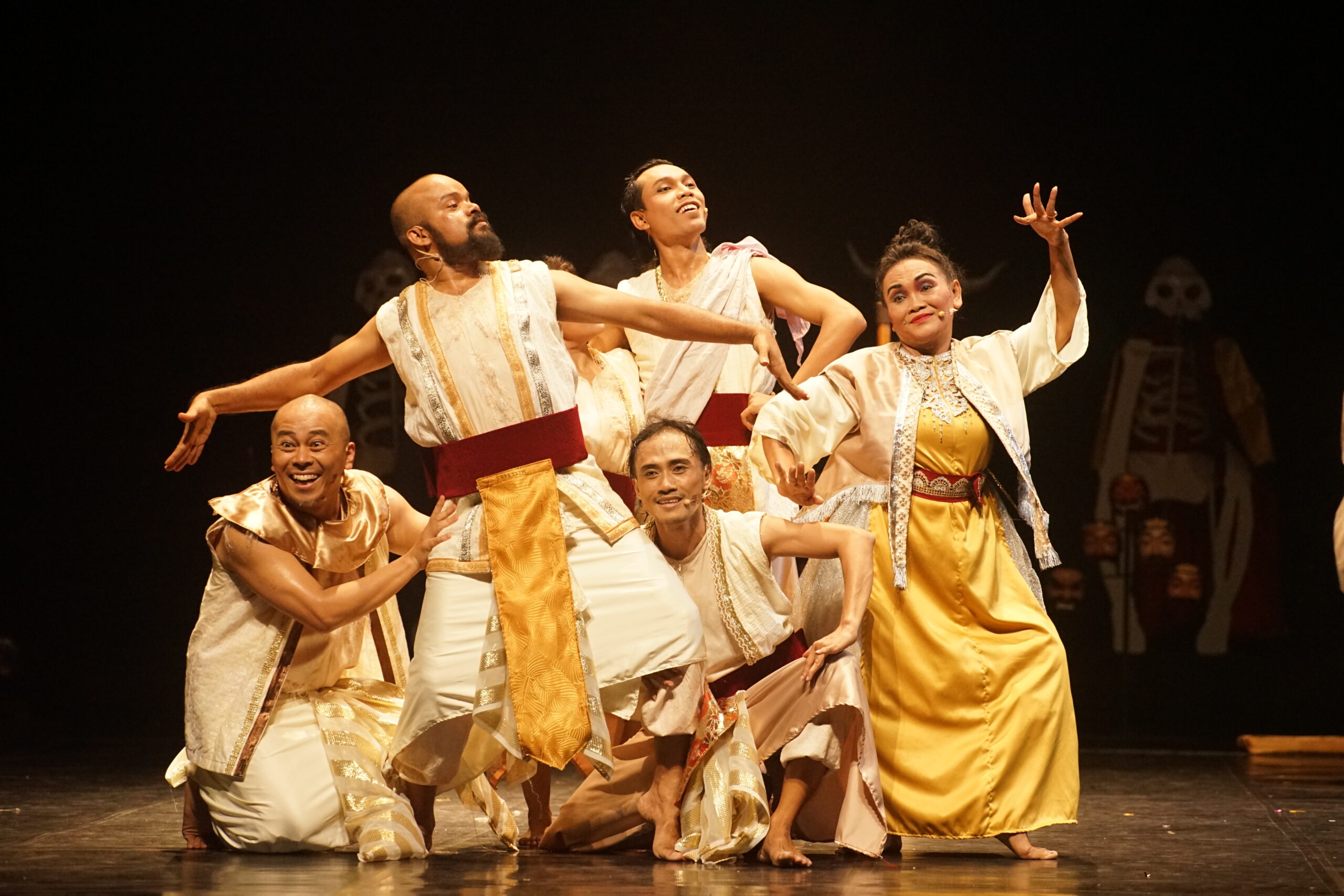
The newly recognized cultural practices include traditional dances, festivals, musical forms, oral storytelling, and craftsmanship that have been passed down through generations. These traditions reflect the unique histories, beliefs, and values of communities in Asia, Africa, Europe, and Latin America. UNESCO stated that such practices are more than just art; they are living expressions of human creativity and identity, and they form an essential part of the social and cultural fabric of societies.
Many of these cultural practices face significant challenges today. Rapid urbanization, technological changes, and shifts in lifestyle have made it difficult for younger generations to continue traditional activities. Recognizing these practices on the World Heritage List is intended to raise international awareness, encouraging both governments and local communities to take active steps in safeguarding their heritage. UNESCO also hopes that global recognition will inspire educational programs, cultural exchanges, and initiatives that engage youth in maintaining their ancestral traditions.
Experts in cultural preservation welcomed the announcement, noting that international recognition often strengthens national pride while fostering cross-cultural understanding. Several countries whose traditions were added expressed pride in the acknowledgment, highlighting the importance of documenting and promoting cultural knowledge. They also committed to supporting practitioners, artists, and local communities in ensuring the longevity of these traditions.
UNESCO emphasized that preserving cultural heritage is not only about maintaining customs but also about promoting peace, unity, and mutual respect across nations. Cultural diversity encourages dialogue and understanding, reminding the world that despite differences, humanity shares a common need to connect through art, music, stories, and rituals.
The latest additions to UNESCO’s Intangible Cultural Heritage List serve as a reminder that the preservation of cultural traditions is a shared global responsibility. By recognizing, documenting, and supporting these practices, the international community ensures that future generations will be able to experience and learn from the rich tapestry of human culture. As global challenges continue to rise, initiatives like this highlight the essential role of culture in connecting people and sustaining the values that define human societies.