




World Cultures at Risk: How Traditions Are Slowly Disappearing in a Globalized Age
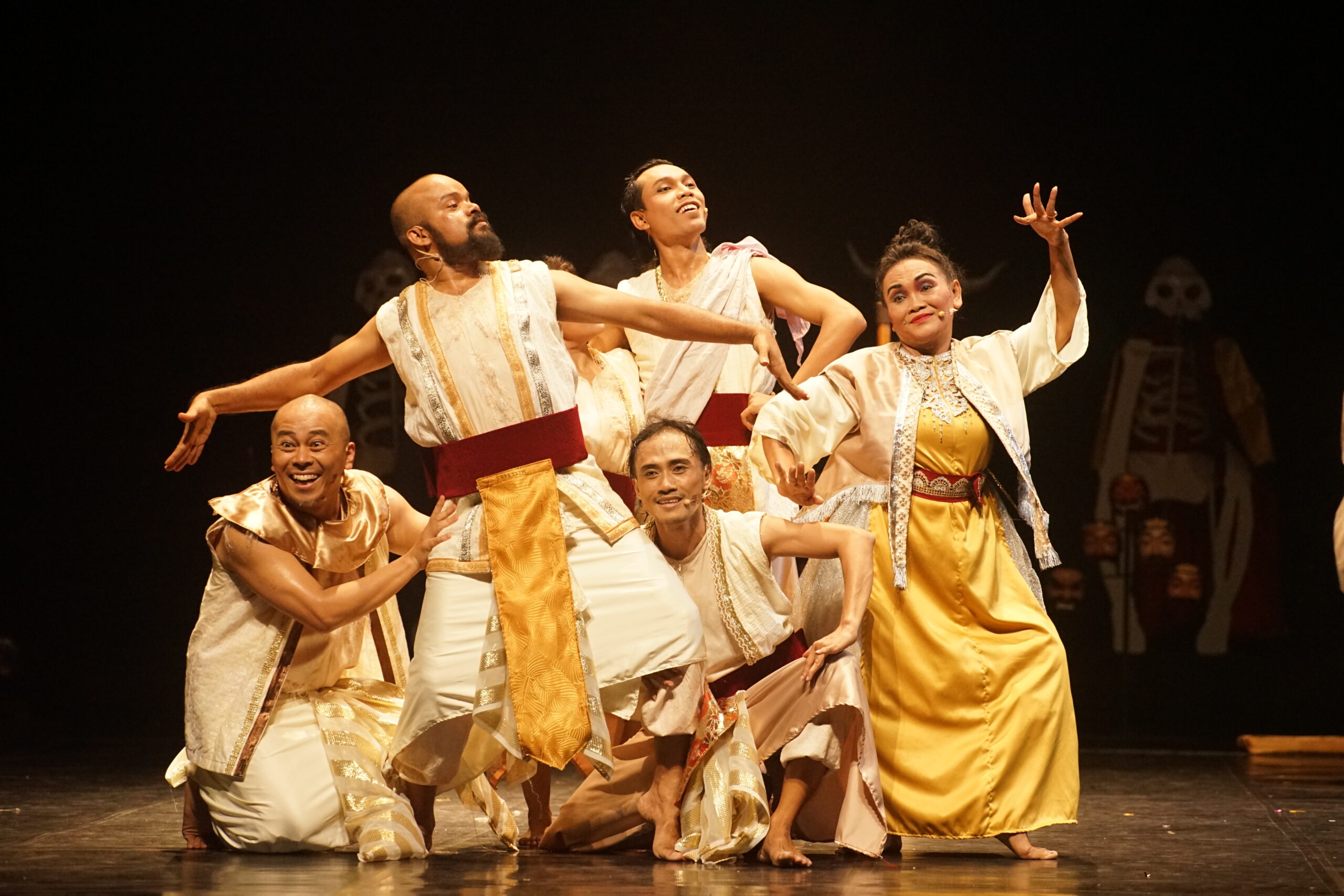
Culture is the identity of a society. It is reflected in language, traditions, clothing, art, food, and beliefs passed down from generation to generation. Across the world, cultures have shaped communities for centuries, giving people a sense of belonging and history. However, in today’s fast-changing and globalized world, many unique cultures are slowly fading away.
One major reason for the decline of traditional cultures is globalization. Modern technology, social media, and mass communication have connected people worldwide, but they have also promoted a more uniform lifestyle. Western fashion, fast food, music, and language dominate global platforms, often replacing local traditions. As a result, younger generations are increasingly adopting modern lifestyles while distancing themselves from their cultural roots.
Urbanization has also played a significant role in this cultural decline. As people move from villages to cities in search of better education and jobs, traditional customs and community practices are left behind. Festivals, folk dances, and indigenous crafts that once thrived in rural areas are now practiced by fewer people, sometimes only during special occasions.
Languages are among the most endangered elements of world culture. Many indigenous and regional languages are disappearing as dominant global languages such as English become more important for education and employment. When a language dies, it takes with it stories, songs, and knowledge that cannot be fully translated or recovered.
Modern consumer culture has further contributed to this loss. Handmade crafts are replaced by factory-made products, and traditional art struggles to survive in a market driven by speed and profit. Cultural practices that do not generate income are often neglected or forgotten.
Despite these challenges, world cultures are not beyond saving. Cultural education, community programs, and government support can help preserve traditions. Schools, media, and families play an important role in teaching young people the value of their heritage. Technology, if used wisely, can also help document and promote endangered cultures to a global audience.
The slow disappearance of world cultures is a serious global issue. Protecting cultural diversity is essential, not only to honor the past but also to enrich the future. A world with diverse cultures is stronger, more creative, and more humane.