




Nepal’s Political Shakeup: Balen Shah and Rabi Lamichhane Form Alliance Following Youth-Led Gen Z Protests
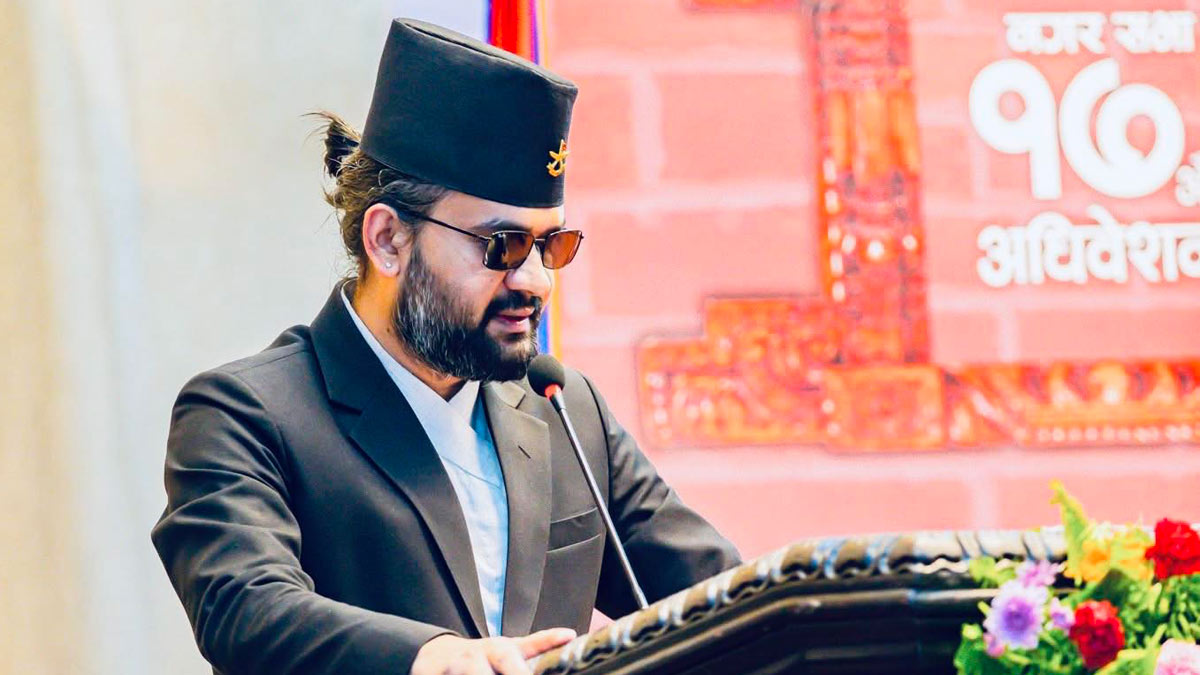
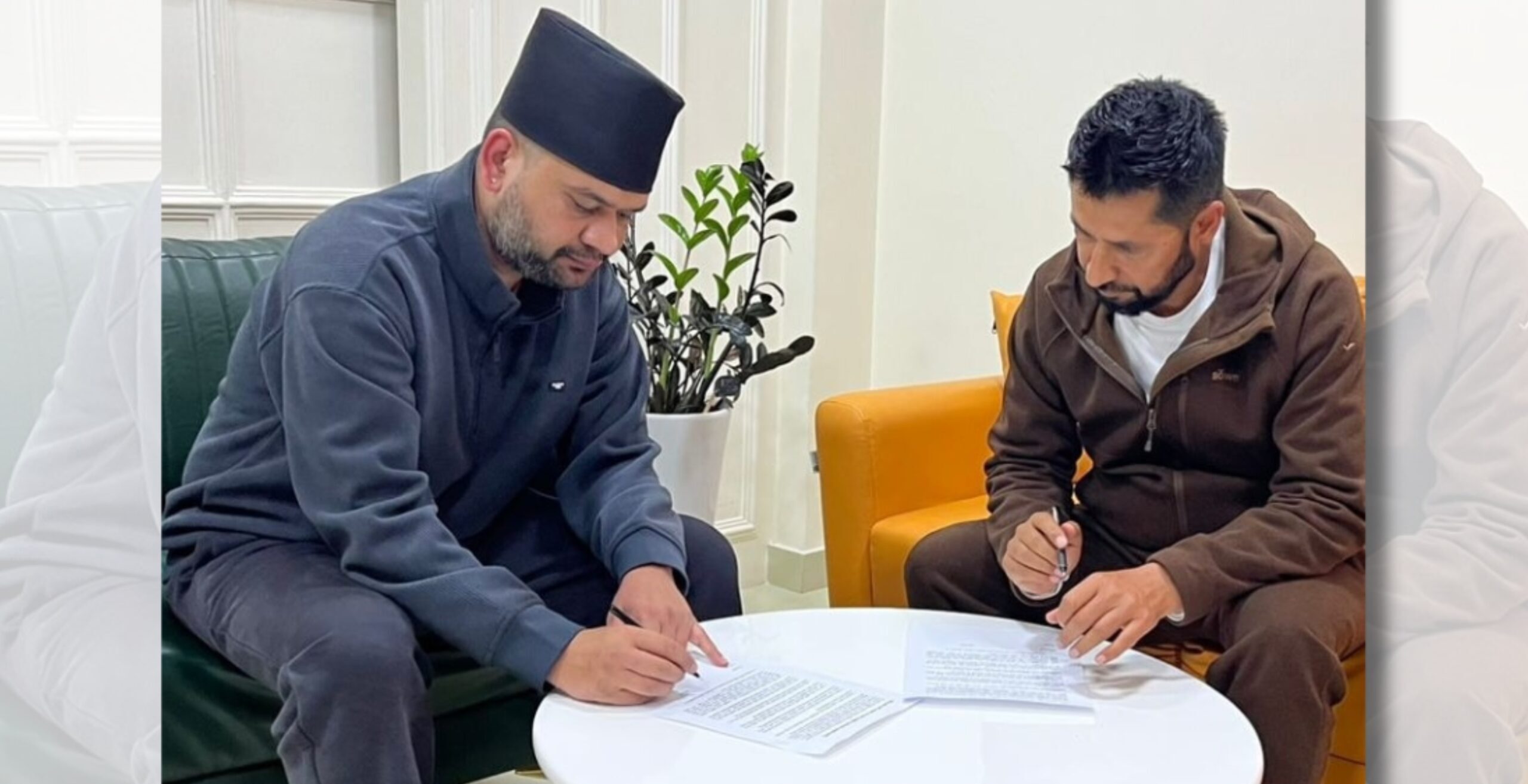
Kathmandu Mayor Balendra “Balen” Shah and Rabi Lamichhane, chairperson of the Rastriya Swatantra Party (RSP), have formalized a seven-point political alliance ahead of Nepal’s House of Representatives elections scheduled for March 5, 2026. Under the agreement, Shah will serve as the parliamentary party leader and prime ministerial candidate if the RSP secures a majority, while Lamichhane retains his role as party chairperson. The coalition will contest elections under the party’s established name, flag, and symbol — the bell — consolidating their influence among urban and younger voters.
The alliance follows months of political maneuvering and comes in the wake of nationwide Gen Z-led protests, which began earlier this year. These protests mobilized thousands of young Nepalis demanding transparency, accountability, and reforms in governance, directly challenging corruption and inefficiency in the country’s traditional political parties. Analysts note that the movement increased youth voter registration and political engagement, creating a new generation of voters whose concerns cannot be ignored by mainstream parties. Both Shah and Lamichhane have publicly committed to addressing the issues raised during these protests, signaling an effort to align their campaign with the priorities of young citizens.
Political commentators describe the alliance as a strategic challenge to Nepal’s long-dominant parties, including the Communist Party of Nepal (Unified Marxist-Leninist) and the Nepali Congress. Supporters hail the coalition as a reformist force capable of introducing new ideas, tackling corruption, and reshaping public trust in governance. Critics, however, caution that the new alliance may face difficulties in maintaining cohesion and balancing power between two high-profile leaders once the campaign intensifies.
The seven-point agreement also outlines strategies for candidate selection, shared policy priorities, coordinated campaigning, and promises to focus on urban infrastructure, education, and youth employment. Observers believe that the partnership could shift the balance of power in Kathmandu and potentially influence voter sentiment nationwide, particularly in areas with a high concentration of young and first-time voters.
As Nepal approaches one of its most closely watched elections in recent years, the combination of Balen Shah’s urban appeal, Rabi Lamichhane’s political machinery, and the momentum from the Gen Z movement is attracting both national and international attention. The alliance underscores the increasing impact of youth-driven activism on the country’s political future and signals a possible transformation in how elections are contested and how political priorities are shaped in Nepal.