







UK Urges China to Exercise Restraint Over Military Drills Near Taiwan
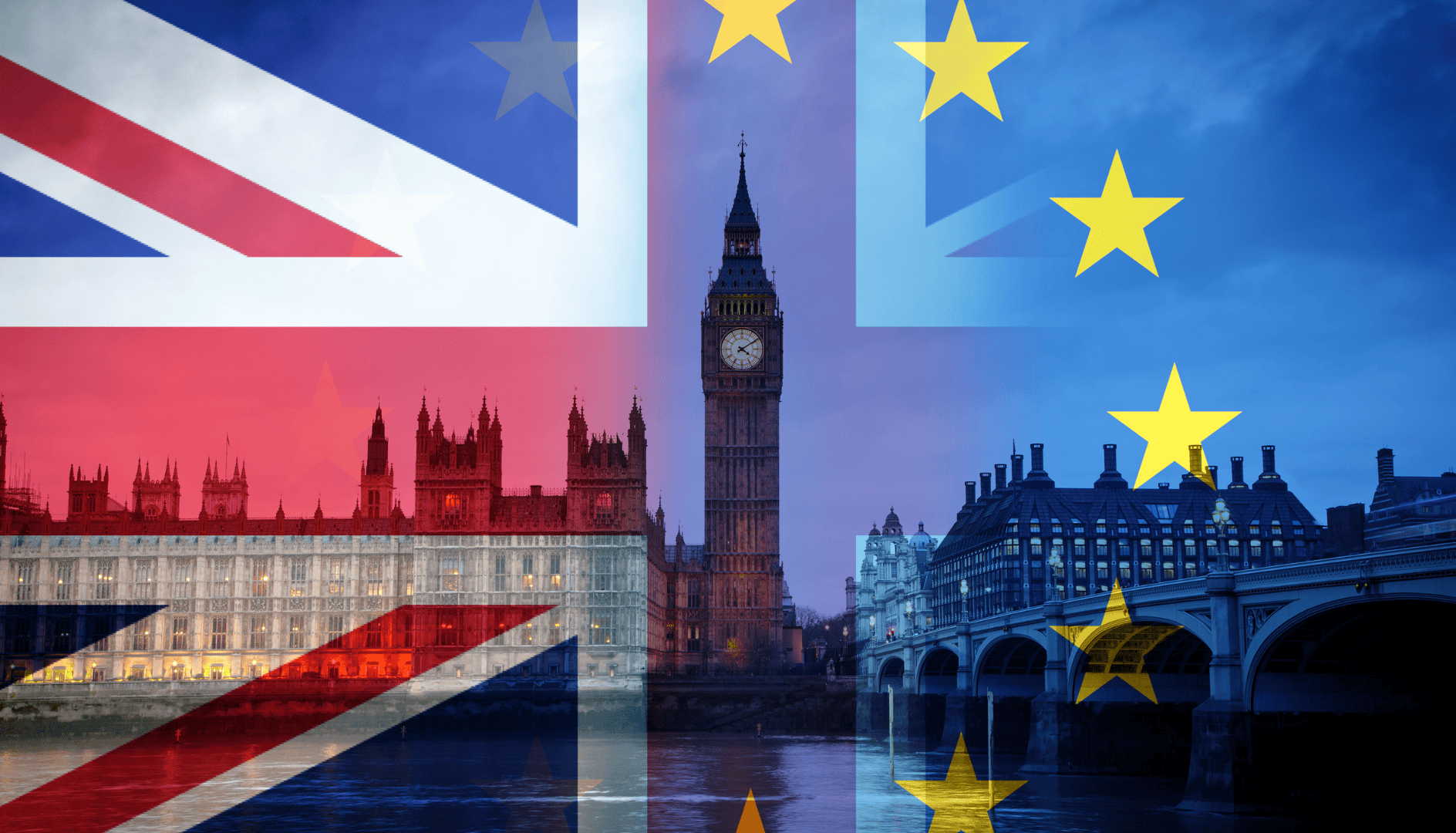
The United Kingdom has urged China to exercise restraint following large-scale military drills conducted by Beijing near Taiwan, warning that such exercises risk escalating tensions in the region. The British government emphasized the importance of dialogue and peaceful resolution, signaling London’s concern over growing instability in East Asia.
The Foreign, Commonwealth & Development Office issued a statement expressing that the recent maneuvers, which involved dozens of Chinese naval and air assets near Taiwan’s territorial waters, could heighten the risk of conflict. Officials noted that the UK remains committed to upholding international law and supporting efforts to resolve disputes without the use of force.
China, in response, criticized the UK’s statement, describing it as “interference in China’s internal affairs” and asserting that the exercises were a routine part of its national defense training. Chinese diplomats stressed that Beijing considers Taiwan an integral part of its territory and that the drills are aimed solely at safeguarding national sovereignty.
Analysts say the UK’s intervention reflects growing international concern over China’s increasing military presence in the Taiwan Strait. The region has seen heightened activity in recent months, prompting warnings from the United States, Japan, and several European countries. London’s statement underscores the role the UK seeks to play in global security issues, particularly in supporting peaceful solutions to territorial disputes.
While the UK maintains strong diplomatic and trade relations with China, officials have indicated that it will continue to monitor military developments closely. The government is also working with allies to ensure that international norms and regional stability are preserved, highlighting the delicate balance London must maintain between engagement and caution in foreign policy.
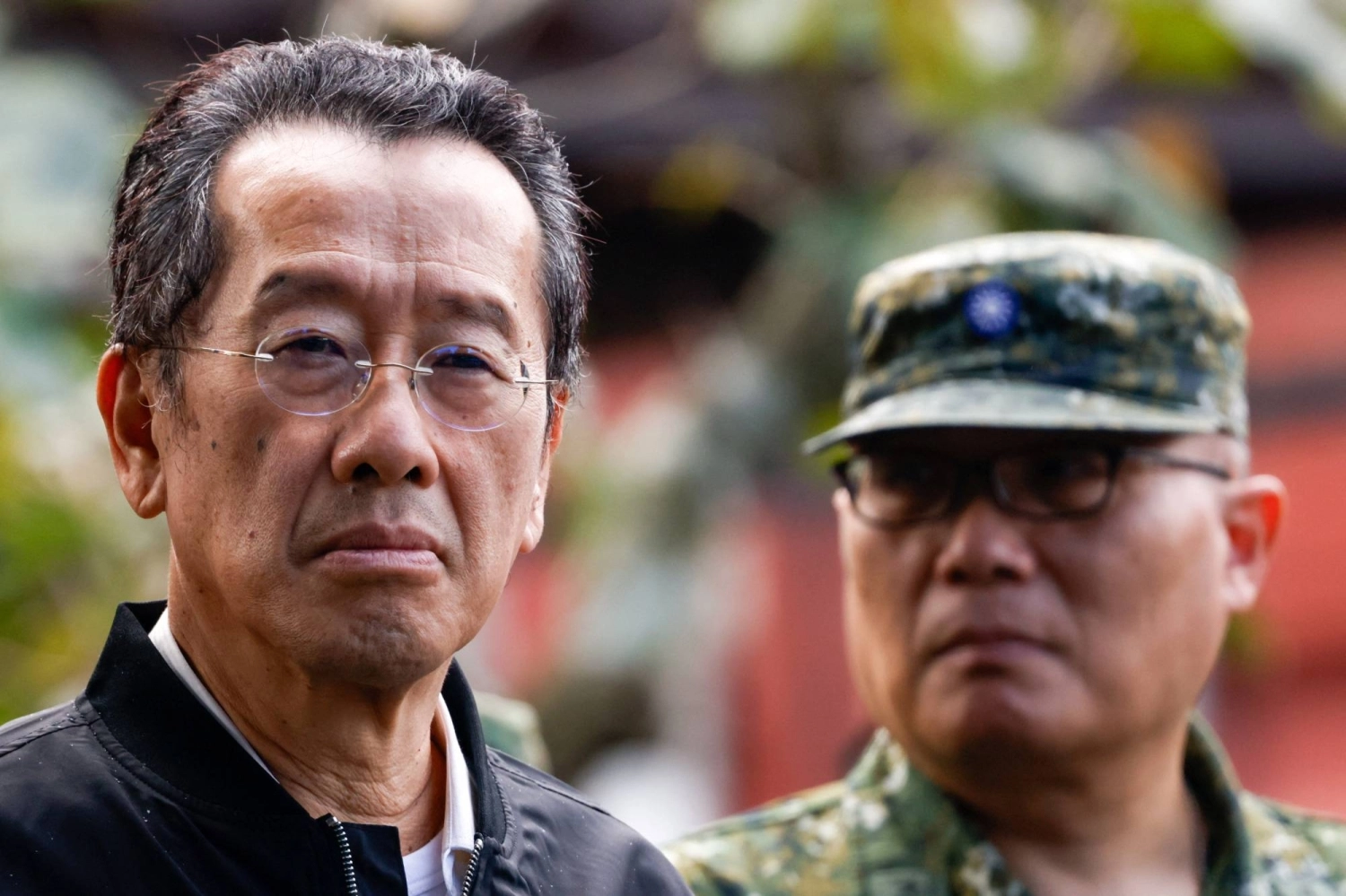
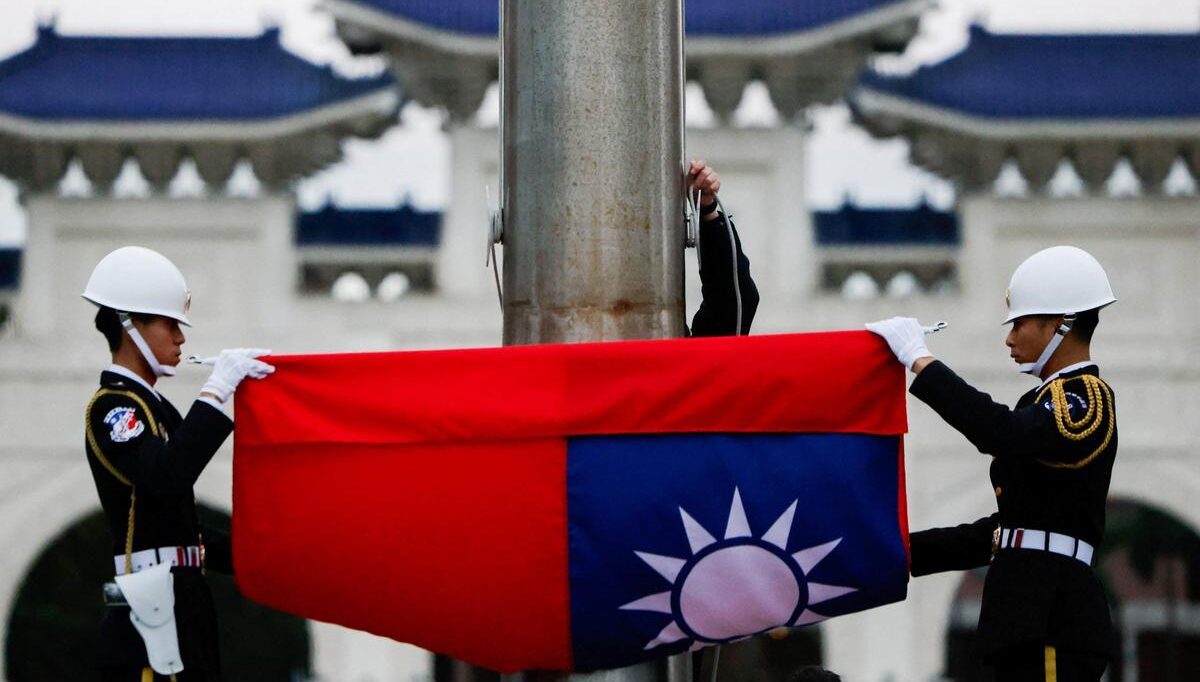
For Taiwan, the drills and international reactions add further complexity to an already tense security situation. Taiwanese authorities have maintained a high state of alert while calling for continued diplomatic engagement and support from partners like the UK. Observers suggest that such international statements may deter unilateral military action and encourage negotiations, although the risk of miscalculation remains high.
The UK’s warning reflects a broader pattern of proactive diplomacy aimed at preventing regional conflicts from escalating into larger confrontations. As global powers continue to watch developments in the Taiwan Strait, London’s position signals both concern for regional peace and a commitment to supporting rules-based international order.