






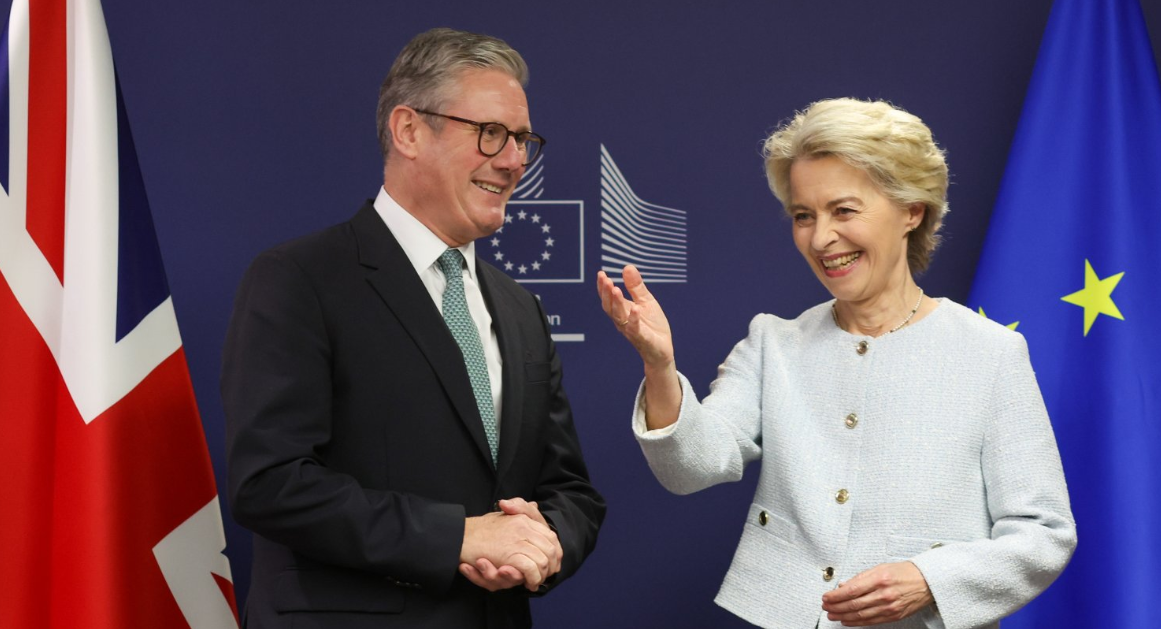
STARMER URGES CLOSER UK TIES WITH EU AMID POLITICAL PRESSURE
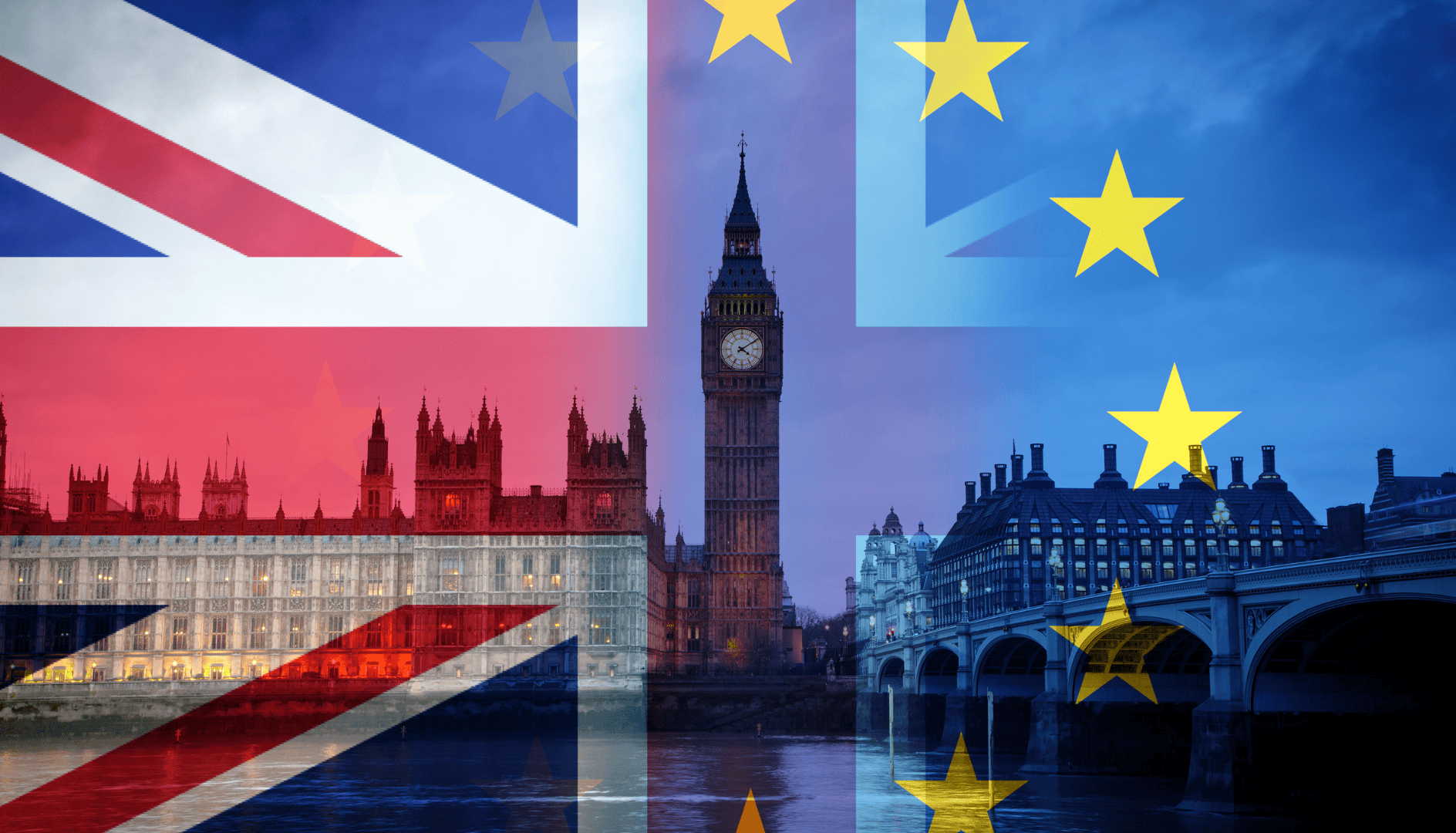
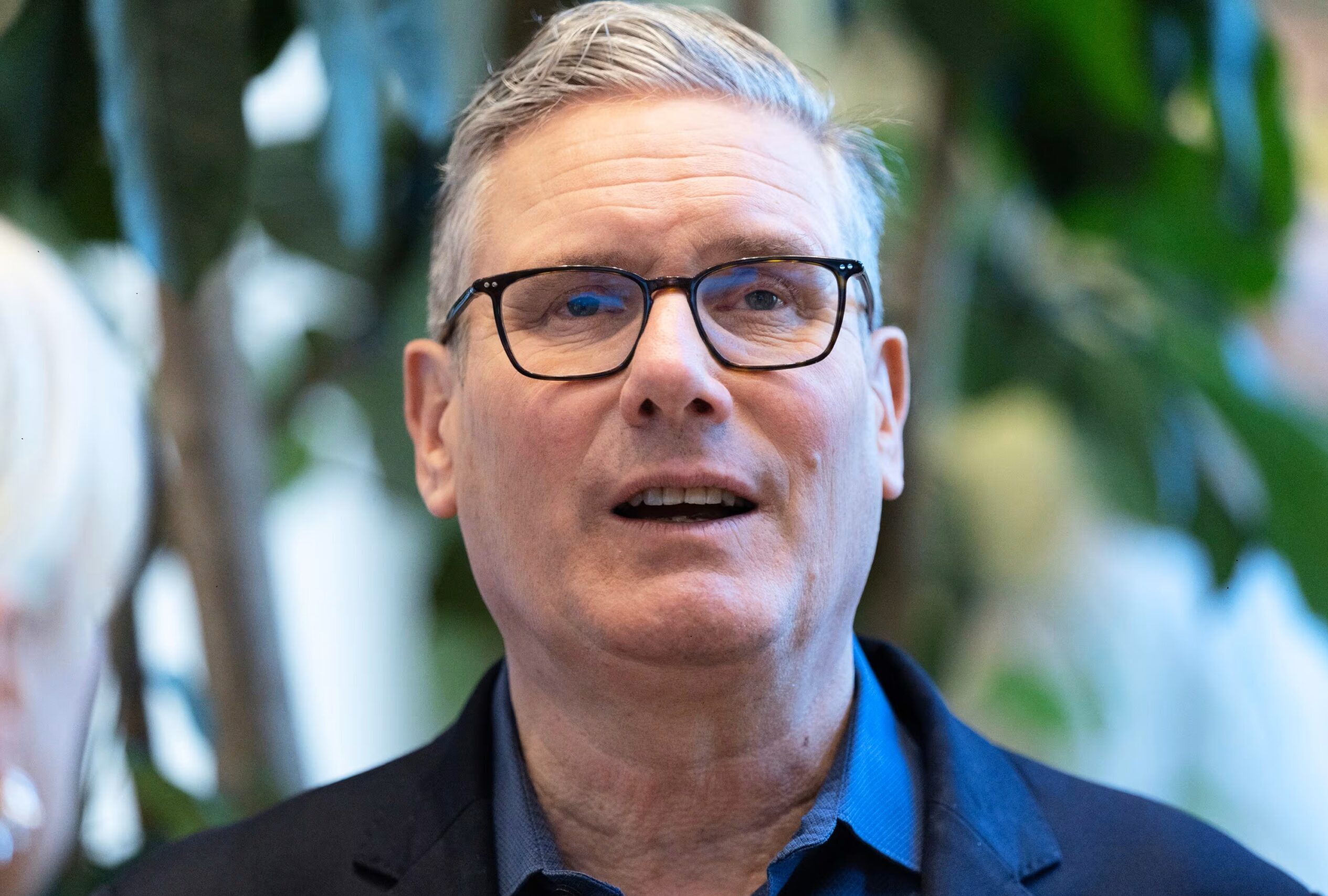
British Prime Minister Sir Keir Starmer has called for closer alignment between the United Kingdom and the European Union’s single market, saying stronger economic ties could benefit British businesses and the wider economy. Speaking in a BBC interview, Starmer emphasized that the government would pursue alignment “issue by issue” where it serves the national interest, while ruling out a full return to the customs union or restoring freedom of movement.
Starmer highlighted recent agreements with Brussels, including the UK’s return to the Erasmus+ student exchange programme and ongoing talks on electricity market integration, food trade, and regulatory cooperation. He said these steps demonstrate that the UK-EU relationship has improved in recent years and can be strengthened further without undermining national sovereignty.
Economists and business leaders welcomed the announcement, describing closer regulatory alignment as a practical way to ease trade frictions, reduce costs for companies, and improve the UK’s global competitiveness. Starmer said that maintaining strong links with the EU could also help protect jobs and ensure smoother supply chains for critical industries.
However, the prime minister’s comments have drawn criticism from Brexit hard-liners and some members of his own Labour Party. Opponents argue that any deeper alignment risks diluting the sovereignty achieved through Brexit and could provoke political backlash among voters who supported leaving the EU.
Starmer also addressed the internal dynamics of the Labour Party, warning that leadership instability could disrupt government priorities and undermine public confidence. With polls showing Labour’s support challenged by rival parties such as Reform UK, he stressed that the party must remain unified to effectively govern and deliver its economic and social agenda.
Political analysts say Starmer’s strategy reflects a careful balancing act: strengthening economic and trade relations with Europe while managing domestic expectations and voter sentiment. With upcoming local elections and ongoing debates about post-Brexit policies, the UK’s approach to the EU will remain a central issue in 2026.
As Britain navigates complex domestic and international pressures, Starmer’s call for pragmatic engagement with the EU underscores the government’s efforts to secure economic stability, support businesses, and maintain voter confidence in a politically volatile environment.