
Market of Protest: Deadly Clashes Shake Iran’s Historic Trade Hub
Tensions escalated in Tehran this week as security forces clashed with demonstrators in the city’s historic Grand Bazaar, leaving at least 36 people dead and dozens injured. The unrest, fueled by economic hardship, widespread inflation, and dissatisfaction with government policies, has drawn international attention and raised concerns about stability in Iran’s capital.
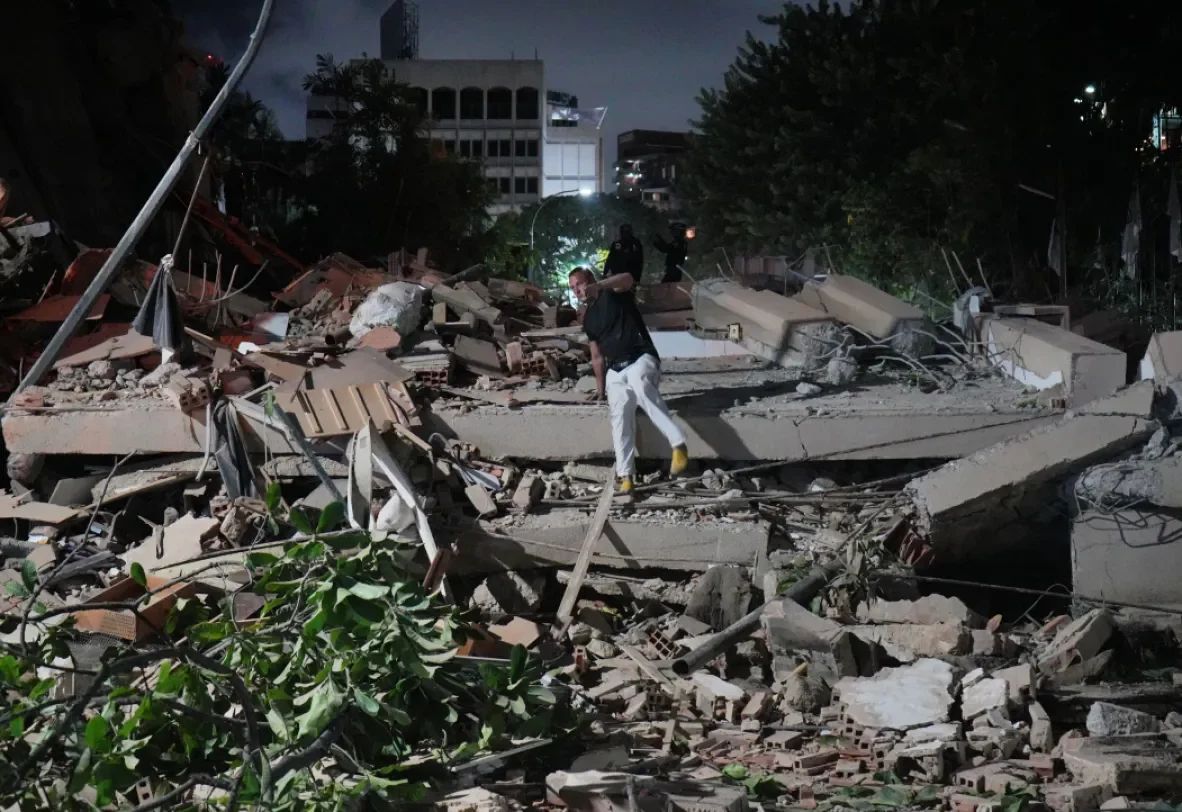
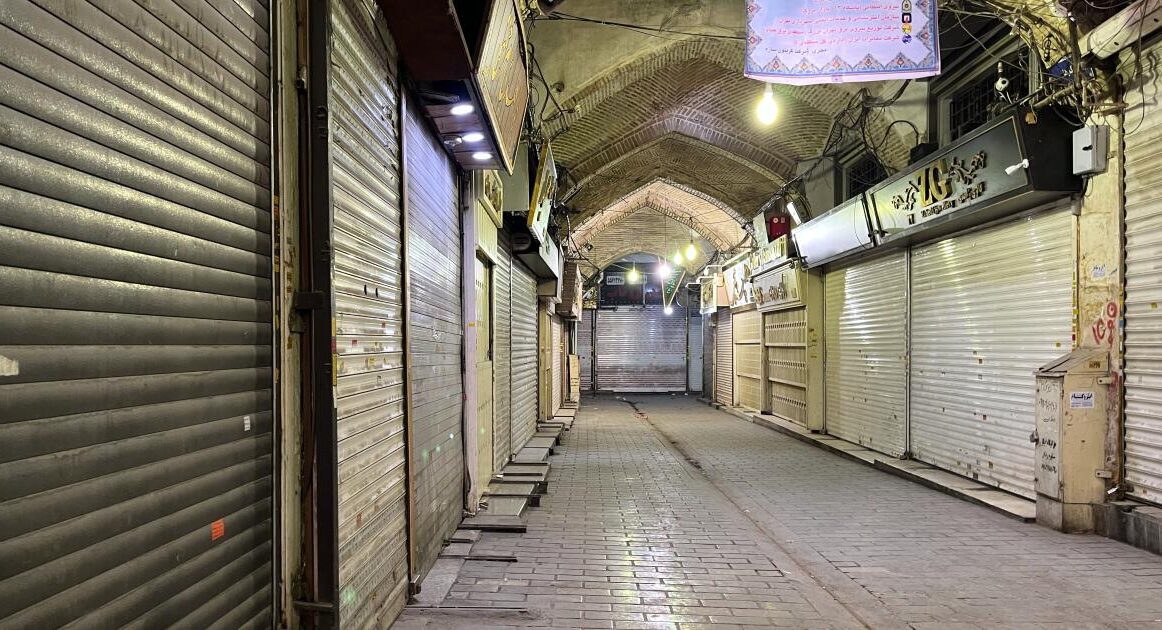
Eyewitnesses described chaotic scenes as protesters attempted to march through the marketplace, waving banners and chanting slogans against rising prices and the government’s handling of the economy. Security forces responded with tear gas, water cannons, and baton charges, prompting panic among shoppers and merchants. Several shops were reported damaged during the clashes, and local authorities temporarily closed sections of the bazaar to contain the unrest.
Officials confirmed the death toll, which includes both protesters and security personnel, though independent verification remains limited due to restricted media access in the area. Hospitals in central Tehran reported an influx of injured individuals, many suffering from blunt force trauma and inhalation of tear gas.
Analysts note that the protests reflect broader dissatisfaction across Iran, where economic stagnation, currency devaluation, and rising unemployment have fueled widespread frustration. While initial demonstrations were largely peaceful, tensions escalated rapidly after security forces attempted to disperse crowds, highlighting the delicate balance between public dissent and state enforcement in the country.
Iranian authorities called for calm, warning that further unrest would not be tolerated and urging citizens to avoid “illegal gatherings.” The government also announced an investigation into the incidents, pledging accountability for both security personnel and civilians involved in the clashes.
The international community has expressed concern over the situation. Human rights organizations condemned the use of force against demonstrators and called for transparent investigations into the deaths and injuries. Neighboring countries and diplomatic partners have urged restraint and emphasized the importance of dialogue to address economic grievances.
As protests continue to simmer, observers warn that Iran faces mounting pressure to implement meaningful economic reforms while managing public anger. The events in Tehran’s Grand Bazaar serve as a stark reminder of the fragile social and economic conditions that can spark large-scale unrest in the country’s major urban centers.