







Power Through Pacts and Fear: How Myanmar’s Junta Leader Maintains His Grip
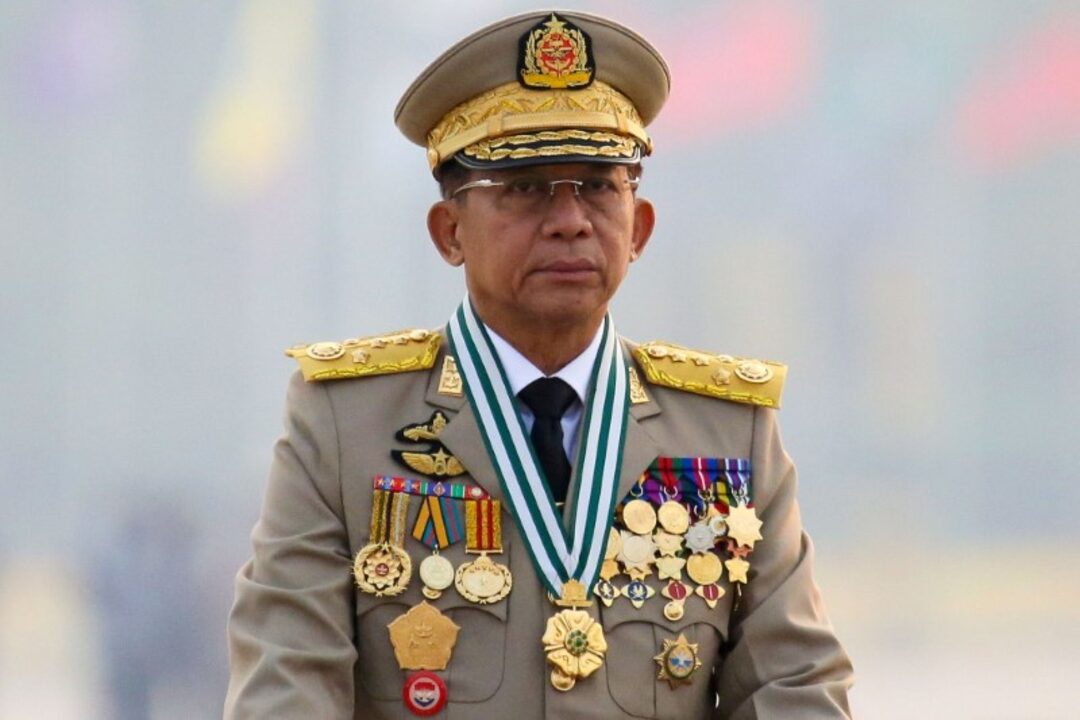
Nearly three years after seizing power in a military coup, Myanmar’s junta chief, Senior General Min Aung Hlaing, continues to hold firm control over the country through a combination of political pacts, elite patronage, and widespread fear, despite ongoing resistance and international isolation.
Since overthrowing the elected civilian government in 2021, the military leadership has faced persistent opposition from pro-democracy groups and ethnic armed organizations. Yet the junta has survived by carefully managing alliances within the military, co-opting business elites, and exploiting divisions among its opponents. Analysts say the regime’s strength lies not in popular support, but in its ability to control institutions, weapons, and economic resources.
The military leadership has rewarded loyal officers and allies with lucrative positions in state-linked businesses, access to natural resources, and influence over regional administrations. These patronage networks ensure continued loyalty within the armed forces, which remain the backbone of the regime’s power. At the same time, dissent within military ranks is swiftly suppressed, reinforcing a culture of obedience driven by fear of punishment.
The junta has also sought to project an image of political legitimacy through plans for tightly controlled elections. However, major opposition parties have been dissolved, critics imprisoned, and large parts of the country remain under conflict, leading observers to dismiss the proposed vote as an attempt to entrench military rule rather than restore democracy.
Fear remains a central tool of governance. Security forces have carried out mass arrests, air strikes, and harsh crackdowns on civilian areas suspected of supporting resistance groups. Human rights organisations report widespread abuses, including torture and extrajudicial killings, which have further silenced public dissent while deepening humanitarian suffering.
International pressure, including sanctions and diplomatic isolation, has so far failed to weaken the junta’s grip. Regional responses have been cautious, allowing the military leadership to buy time and consolidate control while the conflict drags on.
As Myanmar’s civil war continues with no clear resolution in sight, Min Aung Hlaing’s rule rests on force rather than consent. While resistance movements persist across the country, the junta’s careful balance of pacts, patronage, and fear has so far enabled it to withstand both domestic rebellion and global condemnation.