






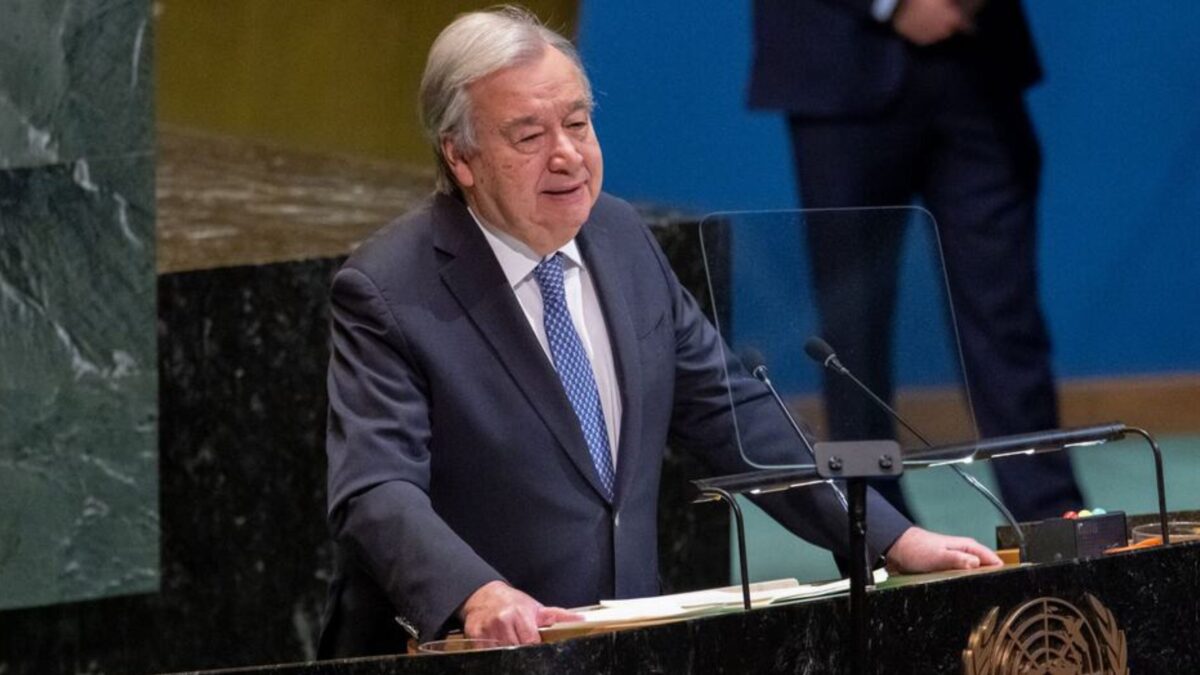
UN Chief Sounds Alarm as Global Cooperation Faces Rising Threats
United Nations Secretary-General António Guterres issued a stark warning today, highlighting what he called “powerful forces” undermining global cooperation and putting the future of multilateral diplomacy at serious risk. Speaking ahead of the UN’s upcoming 80th anniversary, Guterres stressed that rising authoritarianism, geopolitical rivalries, and inaction on urgent global challenges, including climate change, threaten the foundations of international peace and security.
Addressing world leaders and diplomats, Guterres emphasized that recent years have seen unprecedented strains on global institutions. He noted that while nations face shared crises such as economic instability, migration, and environmental disasters, there is a growing tendency to prioritize national interests over collective responsibility. This, he warned, risks weakening the international frameworks that have maintained relative stability since the end of World War II.
The Secretary-General pointed to intensifying competition among major powers as a central concern. He argued that unchecked geopolitical rivalries not only increase the risk of conflict but also erode trust between nations, making collaboration on humanitarian aid, trade agreements, and global health initiatives more difficult. According to Guterres, this trend is compounded by the rise of authoritarian policies in some countries, which limit civil liberties and reduce transparency in decision-making, further challenging the international community’s ability to work together effectively.
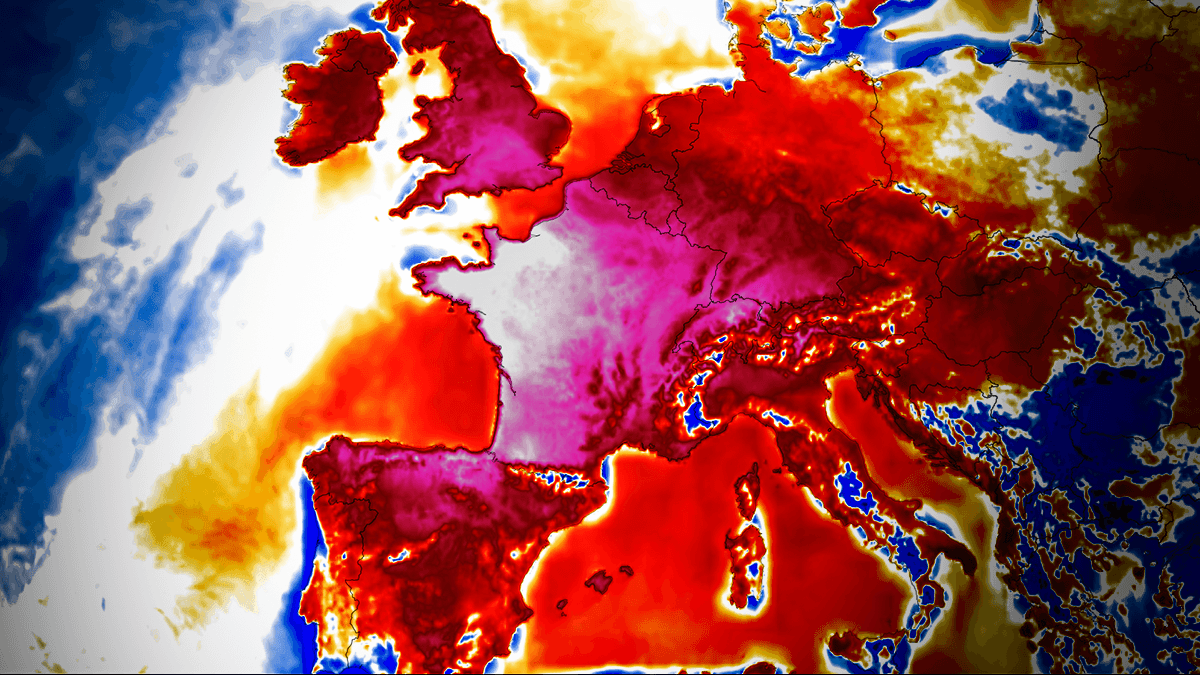
Guterres also highlighted the urgent need to address climate change, which he described as both a political and moral crisis. He warned that failure to coordinate a unified response could have catastrophic consequences, particularly for vulnerable nations. He urged governments to commit to actionable agreements and to uphold multilateralism as the only path toward sustainable solutions.
Global reactions to Guterres’ statement have been mixed. Some diplomats praised the call as a necessary wake-up, urging countries to recommit to international cooperation. Others, however, expressed concern that the UN itself may lack the enforcement mechanisms to compel nations to act collectively in the face of growing self-interest and geopolitical tension.
As nations prepare for a year filled with high-stakes negotiations and ongoing conflicts, the Secretary-General’s warning serves as a reminder that the stability of the international system depends on more than treaties and agreements—it relies on the willingness of countries to act in concert, resist unilateralism, and prioritize the common good. Guterres concluded with a call to action, urging leaders to safeguard multilateralism before global challenges spiral beyond control.