







Global Finance Markets Shaken as Tariff Threat Sends Stocks Tumbling and Gold Surging
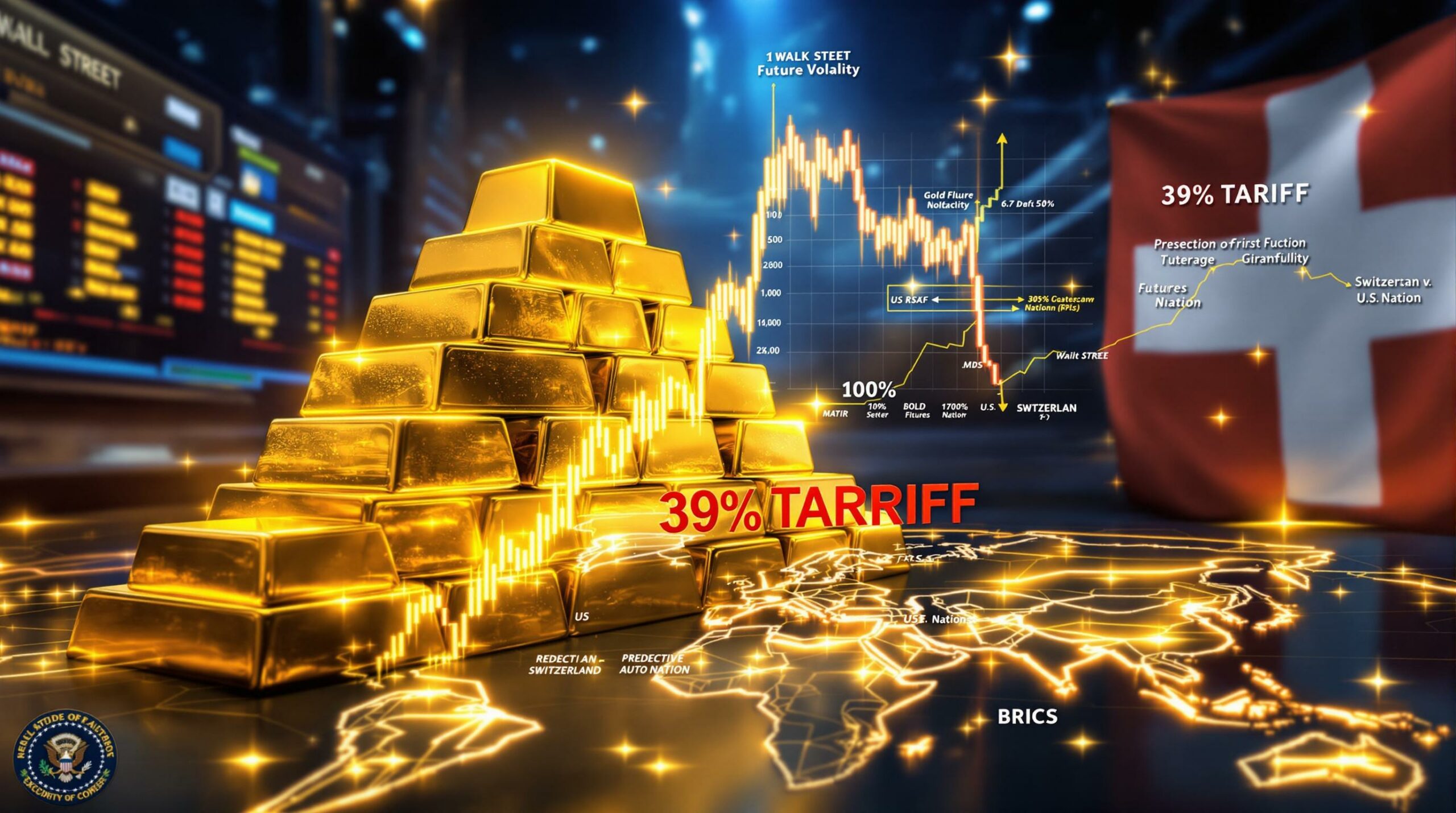
Global finance markets were jolted today as investors reacted to fresh U.S. tariff threats against Europe, sending stock markets downward, the dollar weakening, and gold surging to record levels. The announcement triggered immediate concern over potential disruptions to international trade and the stability of global supply chains.
Asian and European equities opened sharply lower, with major indices shedding value as investors moved to reduce exposure to risk. In Asia, Tokyo’s Nikkei 225 fell 1.2 percent, Shanghai’s Composite declined 0.8 percent, and Hong Kong’s Hang Seng dropped nearly 1.1 percent. European markets mirrored the losses, reflecting widespread nervousness among global investors. U.S. stock futures also fell, signaling potential volatility when trading resumes in New York.
The U.S. dollar weakened against major currencies as traders sought safer alternatives amid the heightened uncertainty. Gold and silver, traditional safe-haven assets, saw significant inflows, pushing prices to multi-year highs. Analysts said the moves reflected a shift in investor sentiment, away from equities and toward assets perceived as more secure during periods of geopolitical and economic tension.
“Global finance markets are reacting to both the immediate threat of tariffs and the uncertainty surrounding their broader economic impact,” said a senior market strategist in London. “Investors are seeking stability, and that explains the rush into gold and other hedges.”
The announcement has raised concerns about potential retaliation by affected countries, which could escalate trade tensions further and weigh on global growth. Companies dependent on international trade may face higher costs and supply chain disruptions, while investor confidence could remain fragile until clarity emerges from diplomatic negotiations.
In addition to immediate market reactions, economists warned that prolonged trade uncertainty could pressure corporate earnings, delay investments, and slow economic expansion across key regions. Governments and central banks are closely monitoring the situation, as the combination of tariffs, weakened market sentiment, and rising safe-haven demand could challenge policy responses.
For now, global finance markets are navigating a period of heightened volatility, with investors watching closely for signals that tensions may ease. Until then, risk aversion is likely to dominate trading strategies, keeping equities under pressure and sustaining demand for safer assets.