








Political Tensions Disrupt Student Rights Event in Seoul
A student rights event in Seoul has become the center of a political dispute, highlighting ongoing tensions between education authorities and city council members over student advocacy and civic engagement. The controversy has delayed final arrangements for the event, raising concerns about the influence of politics on educational initiatives.
The Seoul Metropolitan Office of Education had planned to hold its annual Student Rights Memorial Day in the auditorium of the Seoul Metropolitan Council, marking the first time the venue would host the event. However, conservative council members from the ruling People Power Party objected, claiming that holding the program at the council’s premises was inappropriate amid ongoing political disagreements.
The council’s objections prompted confusion over the venue just days before the event. Education officials confirmed that they had obtained all necessary permits and were determined to proceed as scheduled, despite the political pressure. Organizers argue that the choice of venue was intended to symbolize collaboration between government institutions and students, not to create political tension.
The dispute is rooted in the long-running debate over the Seoul Student Human Rights Ordinance, which protects students from discrimination based on gender identity, religion, and family background. Last year, the council voted to repeal the ordinance, sparking legal challenges and widespread public debate. Critics say the council’s interference with the event represents an attempt to assert political control over educational spaces and suppress student voices.
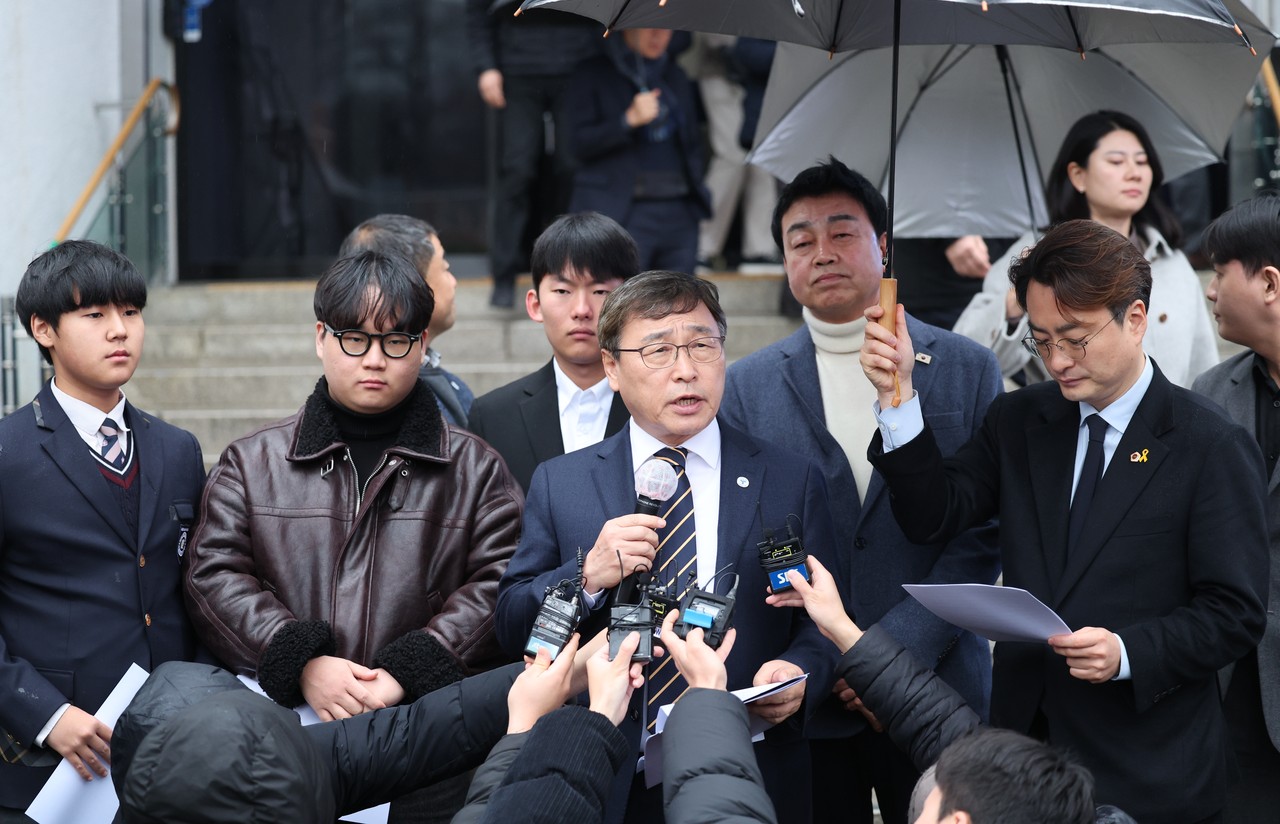
A coalition of education and human rights groups condemned the council members’ intervention, stating that students’ rights and civic participation should not be compromised for political reasons. Meanwhile, council supporters defended their actions, saying that selecting the auditorium without broader consultation was inappropriate and politically sensitive given the ongoing ordinance dispute.
Observers say the controversy reflects deeper divisions in South Korean politics, where debates over human rights and education often intersect with partisan agendas. Analysts warn that such disputes risk undermining public trust in both political and educational institutions.
Despite the obstacles, organizers remain committed to holding the event, emphasizing its importance as a platform for student expression and civic awareness. The outcome will be closely watched, not only for its immediate impact on student rights advocacy but also as a measure of how politics continues to influence civic and educational activities in Seoul.