









Japan’s Prime Minister Takaichi Stakes Leadership on Crucial Election Outcome
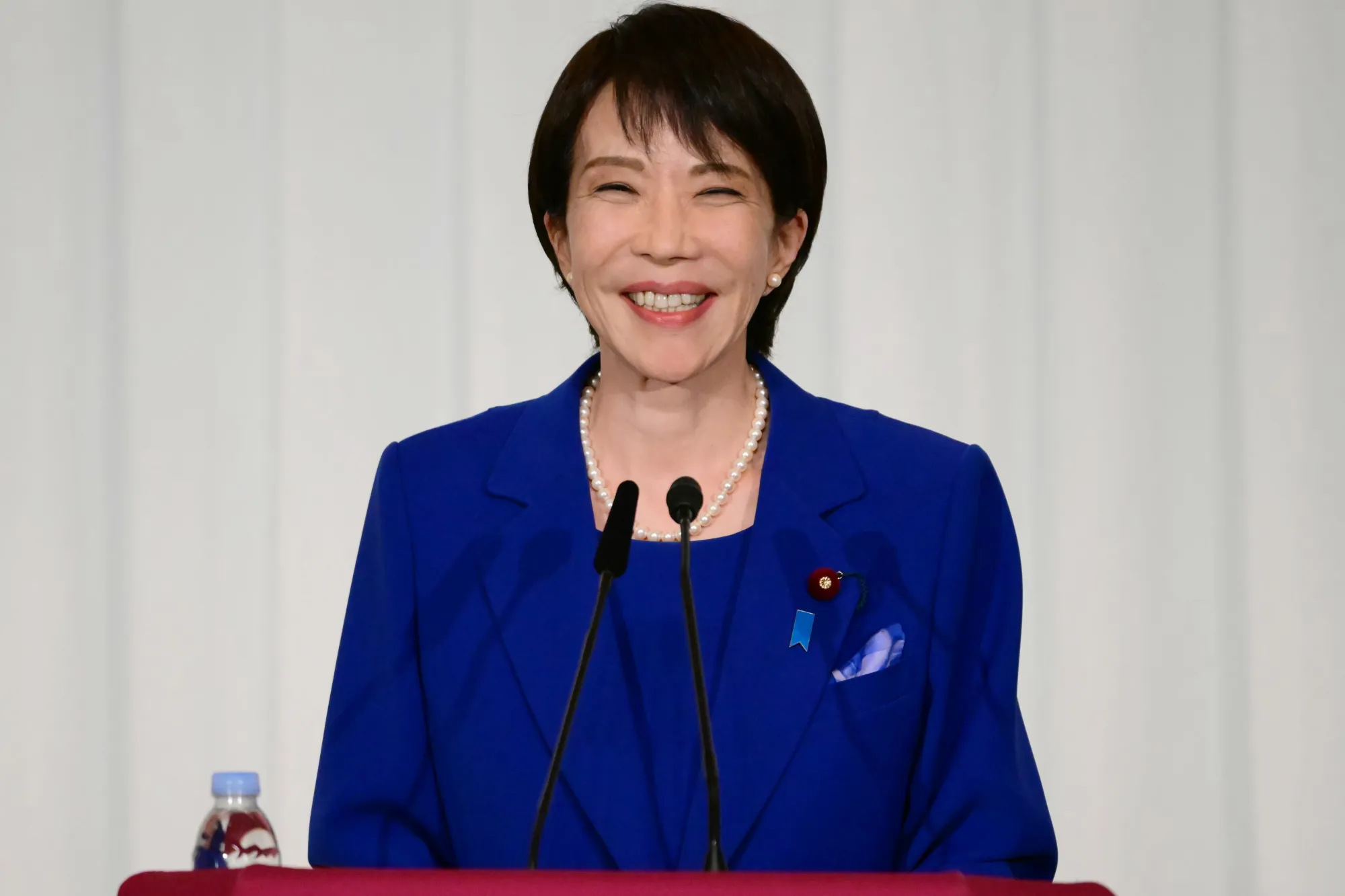
Japanese Prime Minister Sanae Takaichi has raised the stakes ahead of the upcoming House of Representatives election by pledging to resign if her ruling bloc fails to secure a parliamentary majority. The announcement signals growing political pressure for Takaichi as she navigates an increasingly competitive election landscape.
Takaichi, who has served as Japan’s Prime Minister since 2024, made the pledge during a press conference in Tokyo, emphasizing that the upcoming vote will determine the country’s political stability and policy direction for years to come. “I will step down if the people do not endorse our leadership,” she said. “This election is about Japan’s future and the trust of our citizens.”
The Prime Minister’s statement comes amid mounting scrutiny over her government’s handling of economic policy, defense, and foreign relations. Analysts say Takaichi is facing challenges on multiple fronts, including domestic dissatisfaction with rising living costs, as well as external pressures from international security concerns in the Asia-Pacific region.
Opposition parties have seized on Takaichi’s pledge, framing it as an acknowledgment of vulnerability. The Constitutional Democratic Party of Japan and the Japan Innovation Party are actively campaigning to capitalize on perceived weaknesses in the ruling coalition, promising voters an alternative path forward.
Political commentators suggest that Takaichi’s high-stakes move is intended to rally support from her party base while projecting decisiveness to undecided voters. Historically, Japanese elections have seen leaders leverage such pledges to strengthen public perception, though the strategy carries inherent risks: failure to win a majority could lead to abrupt leadership change and political uncertainty.
International observers are also closely monitoring the situation. Japan plays a critical role in regional security, trade negotiations, and global diplomacy. A change in leadership could have implications for partnerships with the United States, European allies, and neighboring Asian nations, particularly in light of ongoing tensions in the Taiwan Strait and North Korean missile developments.
With the election only weeks away, Takaichi’s pledge has intensified political debate across Japan. Voter turnout and engagement are expected to rise as citizens weigh the future of the ruling coalition and the direction of the country’s domestic and foreign policies.
The coming election will not only test Takaichi’s political mandate but also shape Japan’s leadership and policy trajectory for the coming years. All eyes remain on Tokyo as the nation prepares to decide the fate of its Prime Minister and the ruling government.