









Indian Prime Minister Modi Lands in Israel to Ignite New Era of Defence, Trade, and Strategic Partnership
India’s Prime Minister Narendra Modi has commenced a landmark state visit to Israel, reaffirming the rapidly strengthening strategic partnership between the two democracies. The two‑day visit, which began today, is aimed at boosting cooperation in defence, technology, economic ties, and regional security amid evolving global geopolitical challenges.
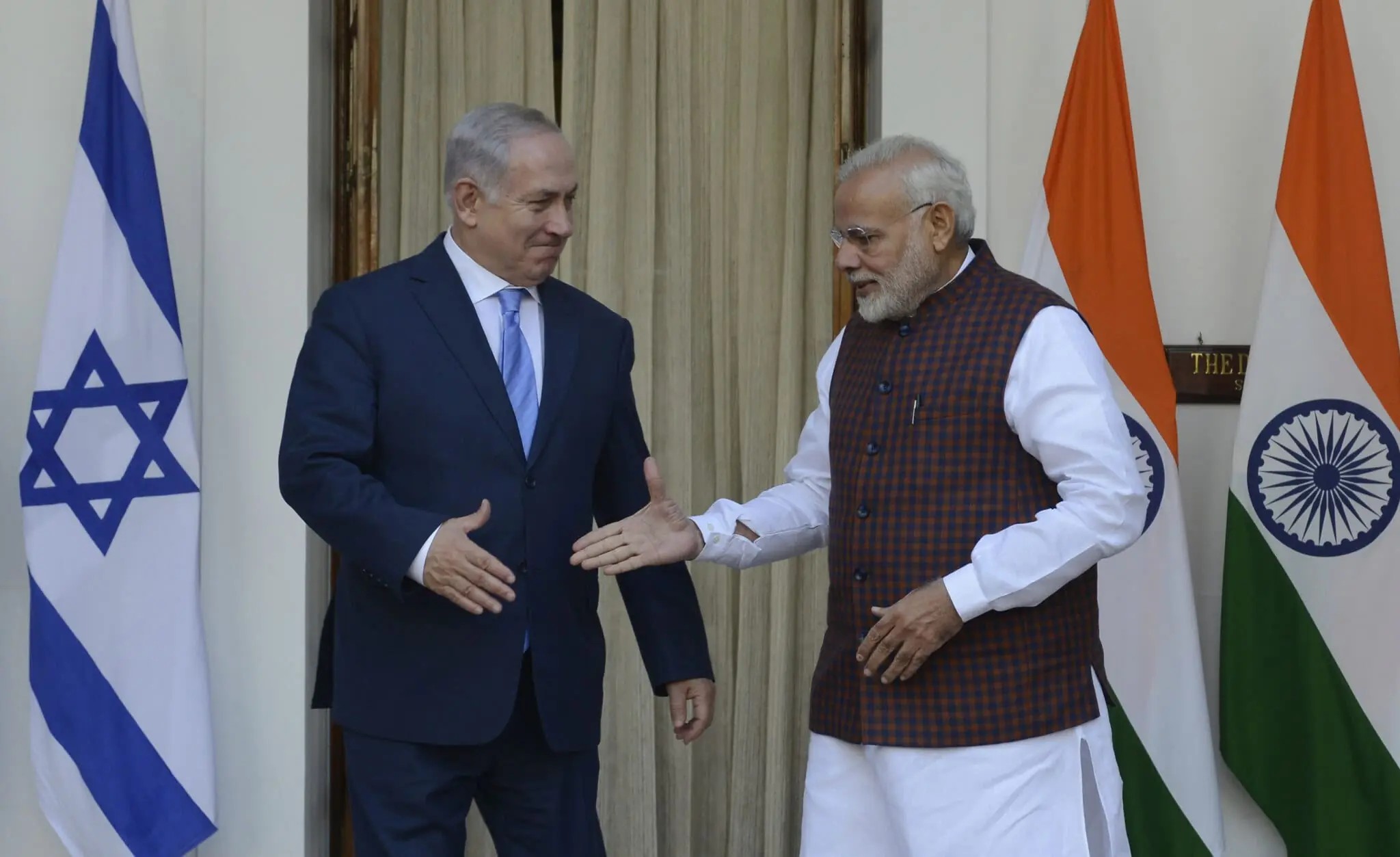
Modi touched down in Tel Aviv, where he was welcomed by senior Israeli officials before heading to the official residence of the Israeli Prime Minister. The visit marks Modi’s second bilateral trip to Israel, following his historic first visit in 2017, when full diplomatic ties were established between the two nations.
In his opening remarks, Modi described India–Israel relations as robust and multifaceted, underpinned by shared values of democracy and innovation. He highlighted that the partnership has matured significantly, especially in defence collaboration, space research, cybersecurity, water management and agriculture technology — sectors where both countries have developed unique expertise.
A key moment of the visit will see Modi address Israel’s Knesset, the parliament, becoming one of the few world leaders invited to speak before Israeli legislators. Officials say the speech will underscore India’s commitment to deeper diplomatic engagement and a shared vision for peace, economic growth and technological development in the wider region.
Defence cooperation is expected to be a central focus of high‑level talks between Modi and Israeli Prime Minister Benjamin Netanyahu. Both sides are anticipated to review existing defence contracts and explore new agreements that could include co‑development of advanced military systems, strengthened cybersecurity frameworks and joint research in cutting‑edge defence technologies.
Economic ties and trade are also high on the agenda. Delegations from both countries will hold business roundtables to explore opportunities in information technology, manufacturing, renewable energy and healthcare. Discussions are likely to pave the way for enhanced trade facilitation and investment flows, with a spotlight on emerging sectors such as artificial intelligence, start‑ups, and infrastructure investment.
The visit also carries broader diplomatic significance amid shifting regional dynamics. India has emphasised its intention to play a constructive role in West Asia, promoting stability and cooperation. Modi’s presence in Jerusalem sends a clear message about India’s role as a bridge between regions and a partner committed to global peace and shared prosperity.
The state visit is expected to strengthen bilateral ties further and open new avenues for cooperation that benefit both nations economically and strategically. With diplomatic, defence and economic cooperation portfolios expanding, the India–Israel partnership continues to be a defining feature of India’s global foreign policy outreach.