






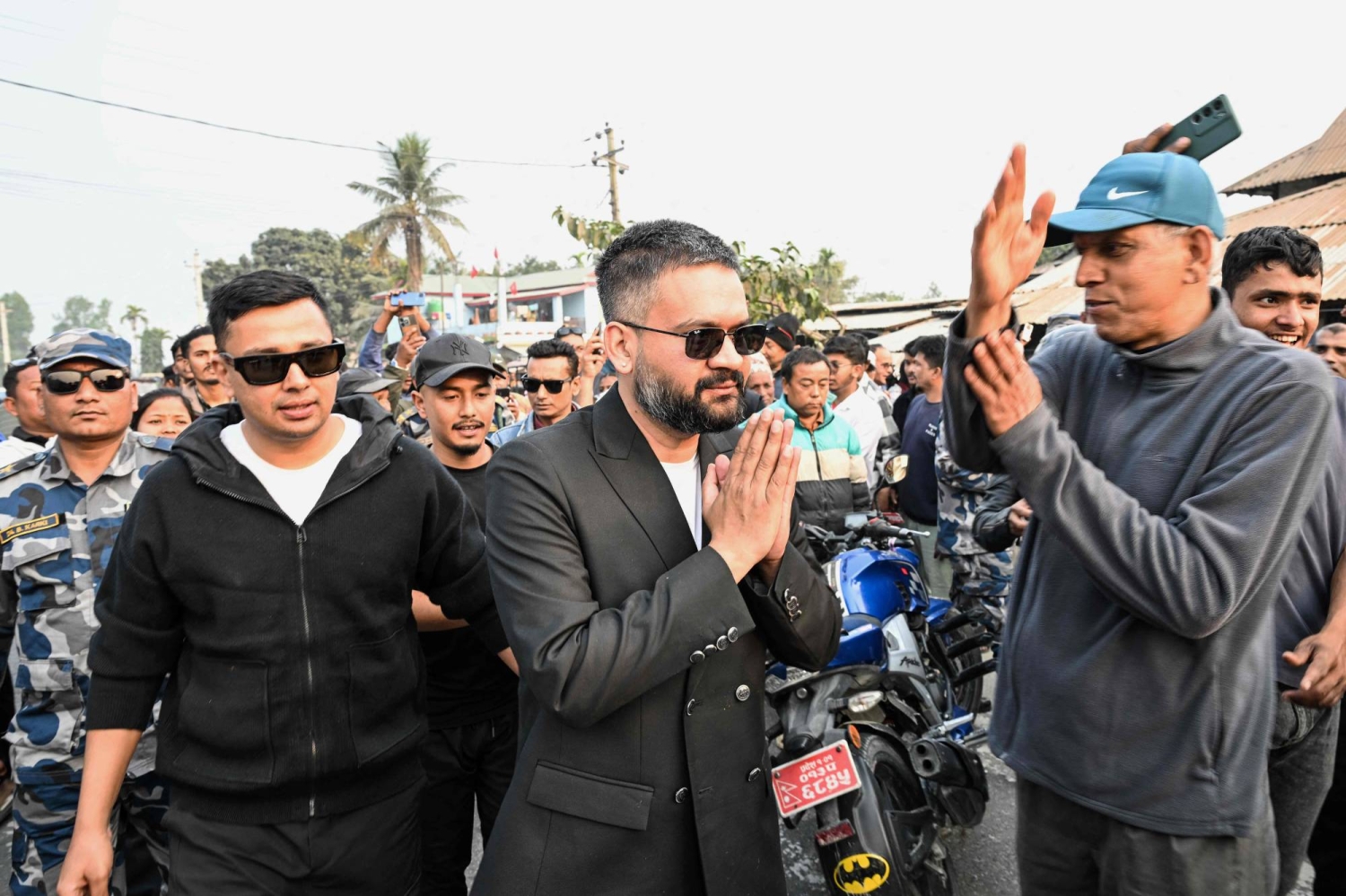
Nepal’s Rapper‑Mayor Balendra Shah Emerges as Leading Prime Minister Candidate
Nepal is experiencing a historic political shift as Balendra Shah, a 35‑year‑old rapper turned politician, has emerged as a front-runner to become the country’s next prime minister. Known widely as Balen, he first captured national attention by winning the Kathmandu mayoralty in 2022 as an independent candidate, becoming the first person without major party backing to hold the capital’s top civic office. His rise has resonated with young voters and urban residents frustrated with entrenched corruption and political stagnation in Nepal.
Shah’s unorthodox journey from music to politics has been marked by his outspoken criticism of corruption and inefficiency within the political establishment. During his mayoral tenure, he emphasized transparency, civic accountability, and community engagement, while using social media platforms to communicate directly with constituents. Although some of his policies faced criticism, including confrontations with street vendors and bureaucrats, his approach won him widespread recognition as a reform-minded leader capable of challenging the status quo.
After resigning as mayor in January to contest the upcoming general election under the Rastriya Swatantra Party, Shah has quickly solidified his position as a leading contender for prime minister. Analysts note that his growing popularity among younger voters, urban communities, and independent-minded citizens could outperform many senior figures in Nepalese politics. His campaign leverages social media extensively, enabling him to reach millions of followers with messages focused on reform, economic opportunity, and anti-corruption initiatives.
Shah’s manifesto emphasizes creating new jobs, boosting entrepreneurship, and implementing policies to improve social welfare. He has pledged to strengthen public institutions, promote investment, and tackle long-standing governance challenges that have hindered Nepal’s development. His rise also represents a generational shift in Nepalese politics, where young voters increasingly seek leaders who combine fresh perspectives with practical solutions to everyday problems.
Despite his popularity, experts caution that winning the prime ministership will require Shah to assemble a capable team to navigate Nepal’s complex bureaucratic system. Critics argue that his lack of experience at the national level may pose challenges in managing the delicate political balance among coalition partners and senior civil servants. Nonetheless, his background as a mayor who successfully delivered on several initiatives provides a foundation for potential national leadership.
As nearly 19 million eligible voters prepare to cast their ballots, Shah’s candidacy signals a broader transformation in Nepalese politics. His rise from rapper to mayor and now prime ministerial contender highlights the increasing influence of youth, social media, and public demand for accountability in shaping the nation’s political future. Observers suggest that regardless of the election outcome, Shah’s campaign has already redefined political engagement in Nepal, inspiring a new generation of voters and potential leaders.