







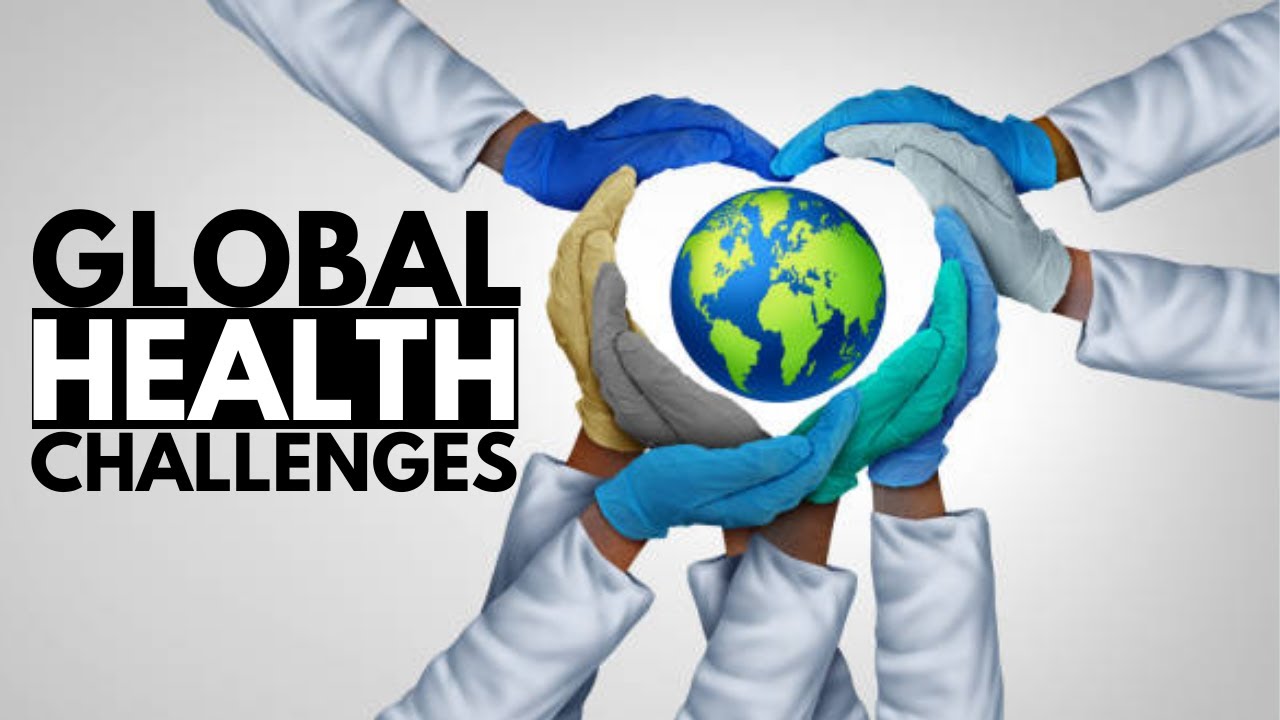
Global health challenges: new diseases, lifestyle risks, and the road ahead
The world is facing an unprecedented mix of health challenges as new diseases emerge and lifestyle-related illnesses continue to rise. Experts warn that while medical advances have improved life expectancy, the global population is now more vulnerable to both infectious diseases and chronic conditions than ever before.
One of the most pressing concerns is the resurgence of infectious diseases. Despite vaccination campaigns, outbreaks of diseases like measles, dengue, and influenza are reported in multiple countries. The threat of antimicrobial resistance adds another layer of danger, as common infections are becoming harder to treat with standard medications. Public health officials, including those from the World Health Organization (WHO), stress the importance of robust healthcare systems and early detection to prevent widespread outbreaks.
Alongside infectious threats, lifestyle-related health issues are skyrocketing. Sedentary behavior, poor diet, and increasing stress levels are fueling the global rise of obesity, diabetes, and cardiovascular diseases. According to the World Health Organization, non-communicable diseases now account for over 70% of deaths worldwide. WHO experts highlight that urbanization, changing work patterns, and digital dependence are major contributors to this growing crisis.
Mental health is also emerging as a critical global concern. Anxiety, depression, and burnout are affecting millions, exacerbated by social isolation, economic pressures, and the rapid pace of modern life. WHO officials have called for integrating mental health support into primary healthcare systems, emphasizing the need for early intervention and a holistic approach to mental well-being.
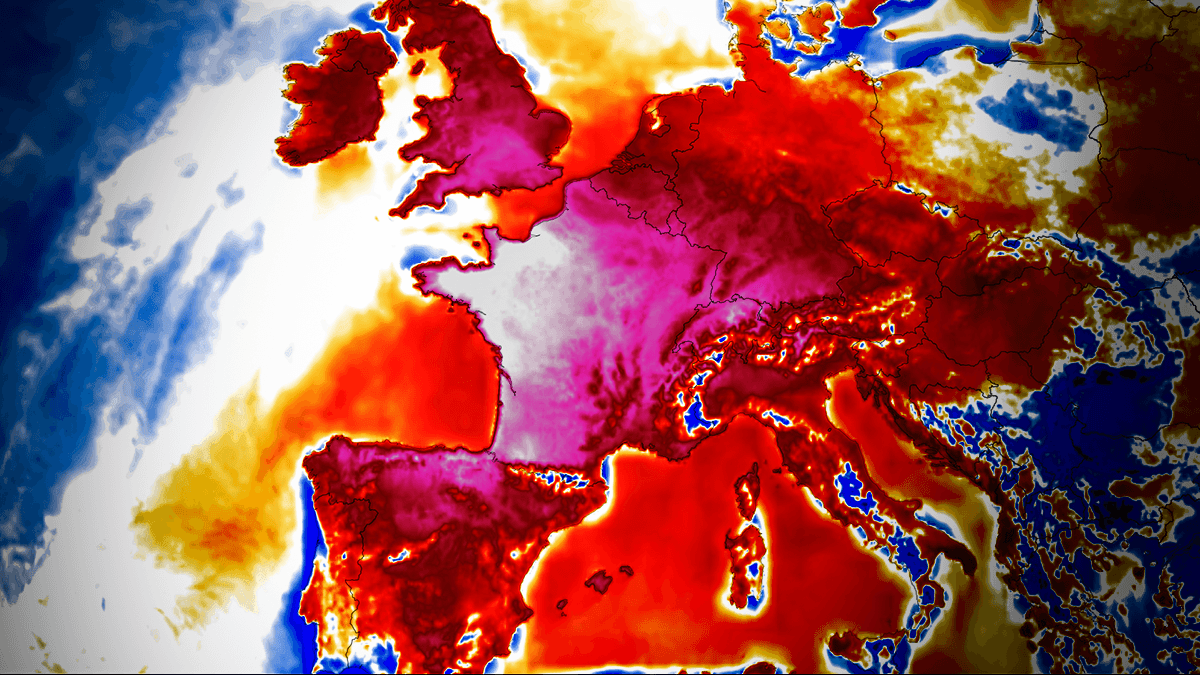
Climate change and environmental factors are increasingly impacting human health. Air pollution, contaminated water, and extreme weather events are linked to respiratory illnesses, heat-related conditions, and vector-borne diseases. Vulnerable populations, particularly in developing countries, face the greatest risks, highlighting the urgent need for global cooperation on environmental health measures. WHO has issued several reports urging immediate action to mitigate the health impacts of climate change.
Experts emphasize that addressing these challenges requires a multi-faceted approach, combining prevention, education, innovation, and equitable access to healthcare. Individuals are encouraged to maintain healthy diets, exercise regularly, manage stress, and stay informed about preventive measures and vaccination programs.
As the world navigates this complex health landscape, cooperation between governments, healthcare organizations, and communities is vital. With the right strategies and awareness, many of these risks can be mitigated, ensuring a healthier and more resilient global population for the years ahead.