









US Commerce Secretary to Testify Before Congress Over Epstein Connections
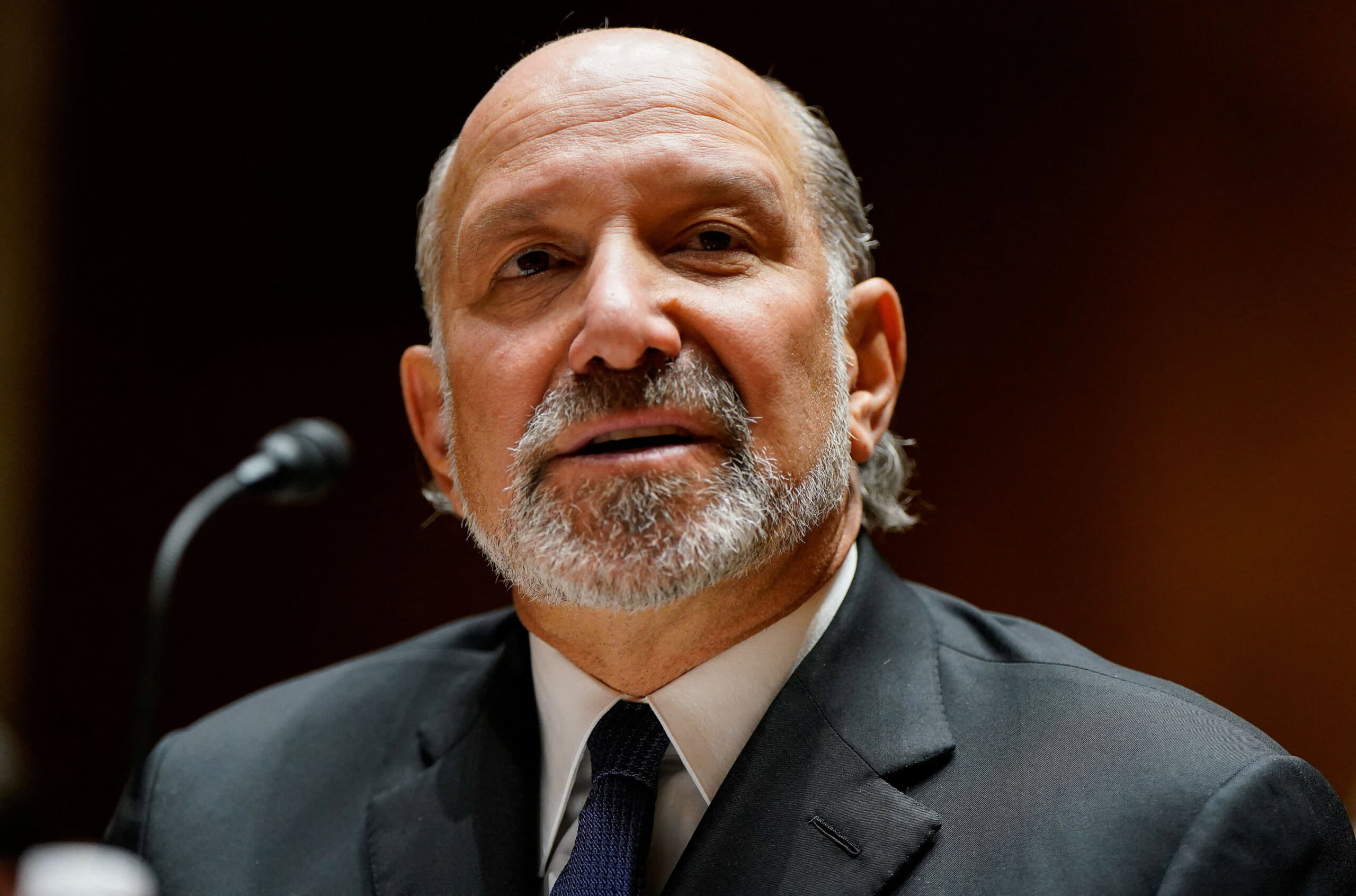
US Commerce Secretary Howard Lutnick has agreed to testify before Congress regarding his ties to the late financier Jeffrey Epstein, sparking renewed public and political attention on the connections between high-profile figures and Epstein’s network. The upcoming testimony comes amid ongoing investigations into Epstein’s activities and the influential individuals who were associated with him, raising questions about ethics, accountability, and transparency in public office.
The House Oversight and Government Reform Committee announced that Lutnick will provide a transcribed interview in the coming weeks. Committee members have emphasized that the testimony is an opportunity to clarify Lutnick’s interactions with Epstein and to respond to reports indicating visits to Epstein’s private Caribbean island in 2012. These reports have drawn scrutiny because they occurred years after Epstein’s 2008 conviction for sex trafficking, despite Lutnick’s previous statements that he had cut ties with Epstein long before that time.
Lutnick, a key figure in the Trump administration and a former New York financier, has maintained that his contact with Epstein was limited and that he engaged in no illegal activity. Nonetheless, his willingness to testify reflects both growing political pressure and the intense public interest surrounding the Epstein case. Lawmakers from both parties have called for transparency, emphasizing that public trust depends on officials providing accurate accounts of past interactions.
The testimony follows similar appearances by other prominent figures connected to Epstein, including former President Bill Clinton and former Secretary of State Hillary Clinton, who participated in congressional inquiries. The investigation has expanded in recent weeks, with other executives and lawyers associated with Epstein agreeing to testify alongside Lutnick. Observers note that these developments underscore the far-reaching implications of the Epstein network, which entangled individuals in finance, politics, and high society.
While Lutnick has not faced any criminal charges, his testimony is expected to attract significant media attention and political debate. The situation highlights the intersection of business, politics, and personal networks, emphasizing the importance of accountability for those in positions of public trust. Experts predict that the testimony could influence public perception of Lutnick and, by extension, the broader administration’s credibility, especially as Congress seeks answers about ethical standards and transparency.
As preparations for the hearing continue, Lutnick’s appearance before Congress serves as a reminder of the ongoing scrutiny faced by officials whose private associations become matters of public concern. The case illustrates how personal connections can carry wide-reaching consequences in both political and business arenas, reinforcing the need for clarity and ethical responsibility among leaders.