









US Accused of Pressuring Sri Lanka to Hold Iranian Sailors After Ship Sinking
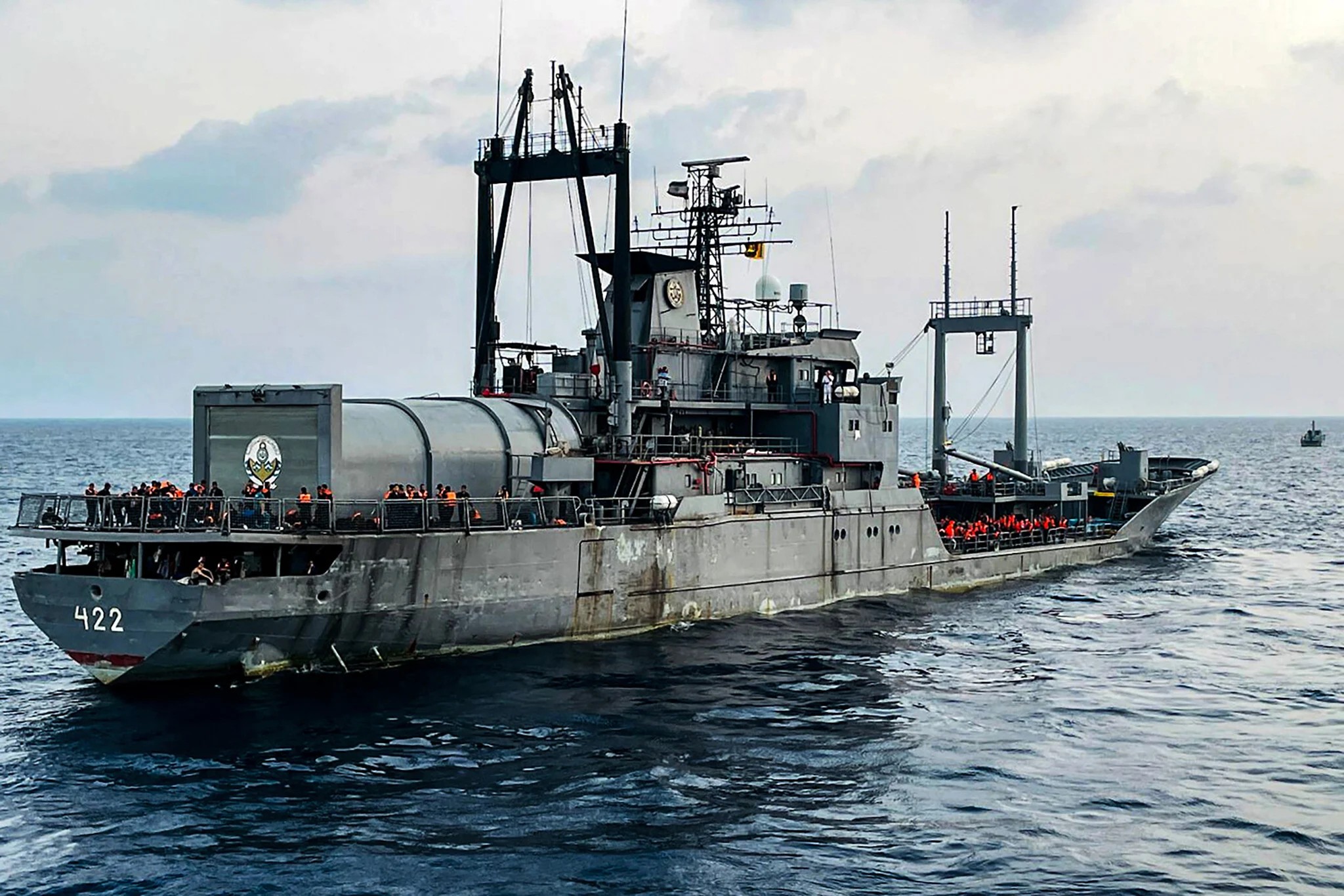
Sri Lanka is under the spotlight after reports surfaced that the United States asked the country not to repatriate Iranian naval personnel rescued from a sunken warship. The sailors were taken into Sri Lankan custody following the sinking of the Iranian frigate IRIS Dena near Sri Lankan waters earlier this week, an incident that has escalated tensions in the ongoing Iran conflict.
The attack, carried out by a U.S. submarine, led to dozens of casualties and drew international condemnation. Alongside the Dena’s survivors, Sri Lanka is also sheltering more than 200 crew members from another Iranian naval vessel, the IRIS Booshehr, which had entered Sri Lankan waters amid the conflict. The island nation has been providing food, medical care, and safe accommodation to the rescued sailors.
According to diplomatic sources, the United States urged Colombo to delay returning the sailors to Iran, citing concerns that they could be used in propaganda. Tehran has formally requested the return of both the survivors and the deceased, but Sri Lankan authorities have emphasized that humanitarian obligations and international law remain their top priorities.
President Anura Kumara Dissanayake described the country’s actions as a “humanitarian responsibility,” saying Sri Lanka is committed to protecting the lives of those rescued, regardless of the geopolitical implications. Foreign Minister Vijitha Herath reiterated that the government is following the United Nations Convention on the Law of the Sea (UNCLOS) and maintaining a neutral stance in the conflict, ensuring that the sailors are treated in accordance with international norms.
The situation has put Sri Lanka in a diplomatic bind, as it balances pressure from a major global power with its own legal and ethical obligations. Analysts say the case highlights the challenges faced by smaller nations caught in the crossfire of larger international disputes, especially when they are asked to navigate complex military and political interests.
Regional and international observers are watching closely to see how Colombo resolves the situation. Any decision could have wider implications for the ongoing conflict and for Sri Lanka’s relations with both Iran and the United States.
As tensions in the Middle East continue to escalate, the fate of the Iranian sailors in Sri Lanka has become an unexpected flashpoint, drawing attention to the humanitarian and diplomatic challenges posed by modern naval conflicts. The world waits to see whether diplomacy or politics will decide the sailors’ fate.