









Climate Shift Sparks ‘Pink Explosion’ as Magnolias Bloom Weeks Early
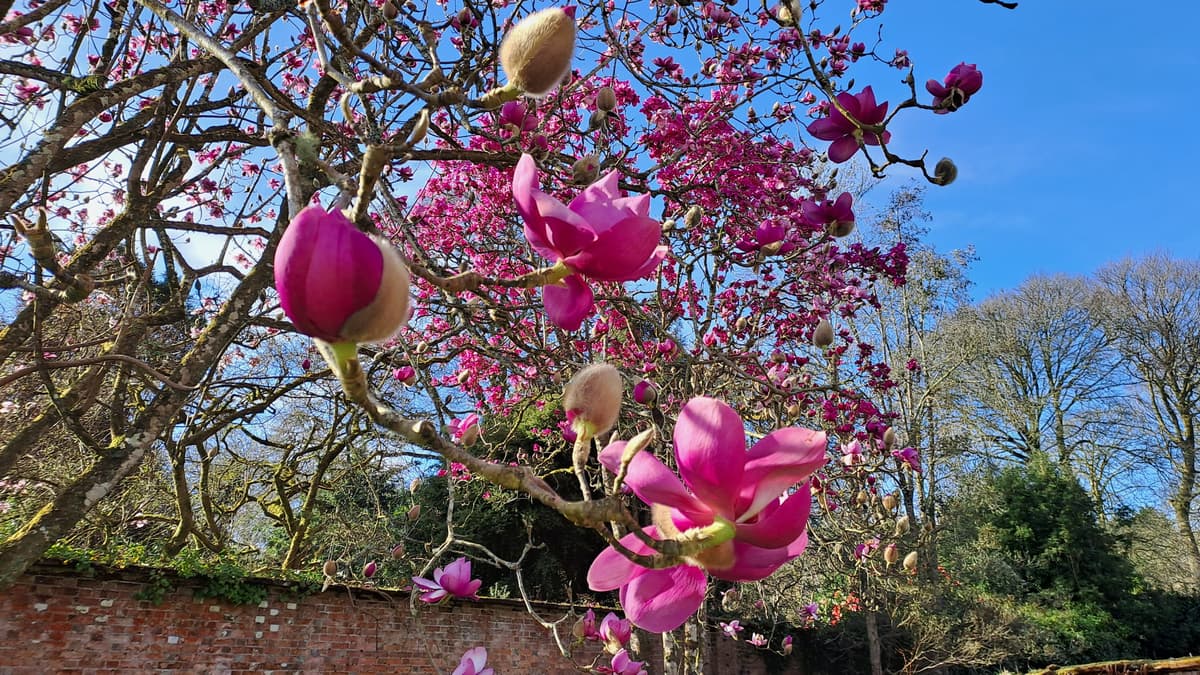
Gardeners and nature enthusiasts across the country are witnessing an unusual spectacle this spring as magnolia trees burst into bloom weeks ahead of their traditional schedule. Experts say that rising temperatures and changing climate patterns are likely contributing to the early flowering, creating what many are calling a “pink explosion” in parks, streets, and private gardens.
Magnolias, known for their large, fragrant blossoms and elegant form, typically bloom in late March or early April. This year, however, many trees began flowering as early as mid-February, painting neighborhoods with vibrant shades of pink and white. The sudden display has delighted photographers, nature lovers, and residents eager to enjoy the fleeting beauty.
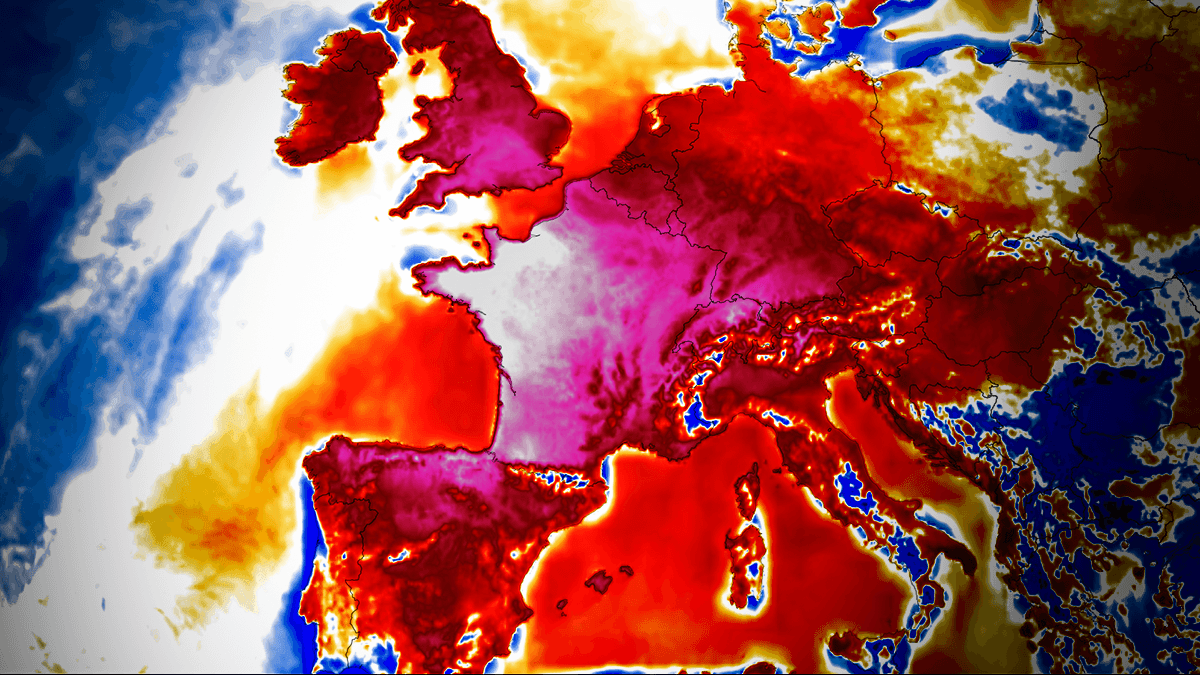
Botanists attribute the phenomenon to warmer winter temperatures and milder frosts, both consequences of ongoing climate changes affecting seasonal cycles. “Plants rely on temperature cues to time their growth and flowering,” explained Dr. Anjali Mehta, a plant ecologist. “When winters are warmer than usual, it can accelerate flowering, which is exactly what we are seeing with magnolias this year.”
While the spectacle is visually striking, experts warn that such shifts can have ecological consequences. Early blooming may disrupt pollination patterns, affecting bees, butterflies, and other pollinators that rely on the synchrony of flowering plants. It can also leave flowers vulnerable to late frosts, which can damage blossoms and reduce fruit or seed production.
Local authorities and botanical gardens are encouraging residents to enjoy the blooms responsibly, reminding them that early flowers are more delicate than usual. Several city parks have reported an influx of visitors capturing the unusual spring display on camera.
This phenomenon highlights the broader effects of climate variability on nature, as changing weather patterns increasingly influence plant behavior. Scientists continue to study the long-term impacts on ecosystems, noting that such anomalies may become more frequent as global temperatures rise.
For now, the early magnolia blooms offer a brief, breathtaking reminder of nature’s beauty and resilience, while also serving as a visible marker of the subtle but significant ways climate change is altering the world around us.