


Iran Elevates Mojtaba Khamenei as Supreme Leader After Father’s Death Amid War
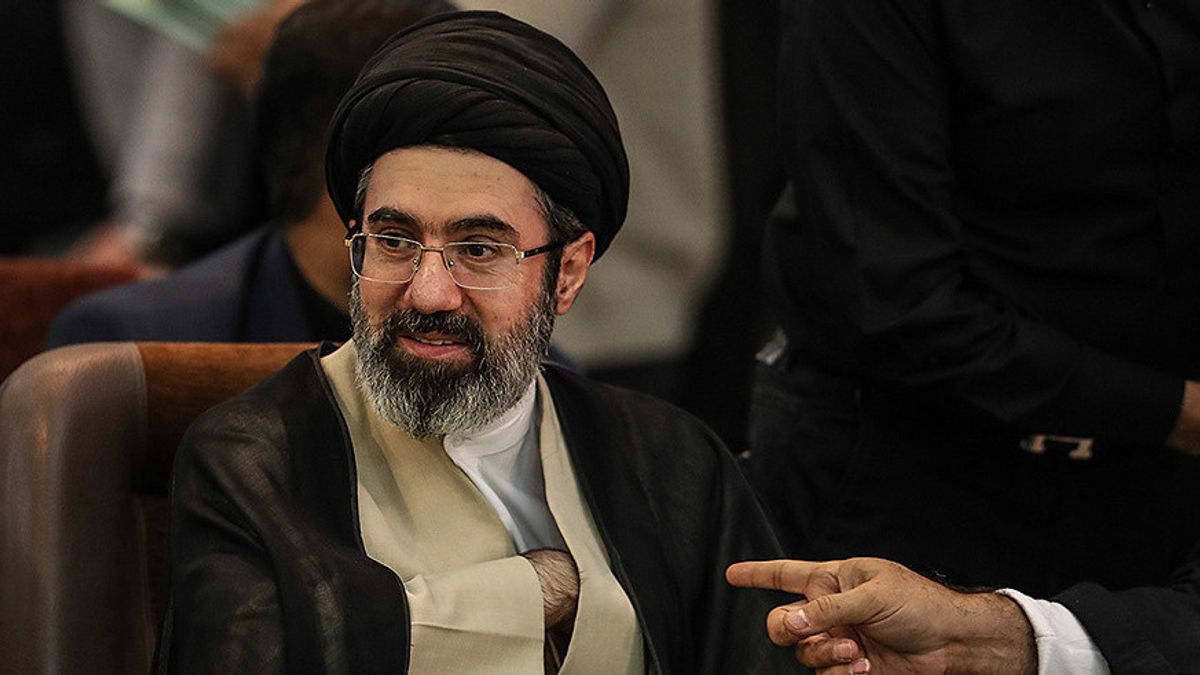
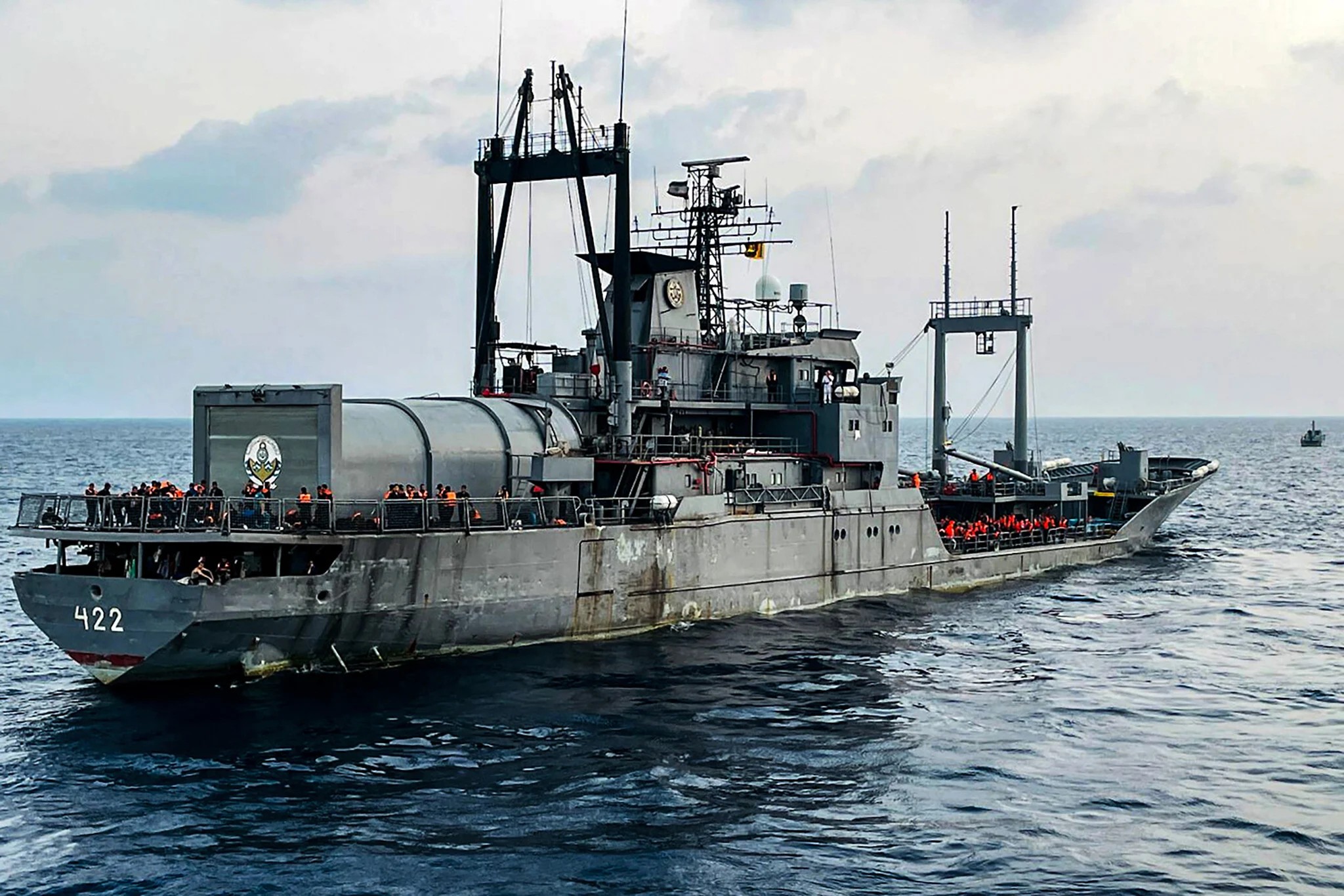
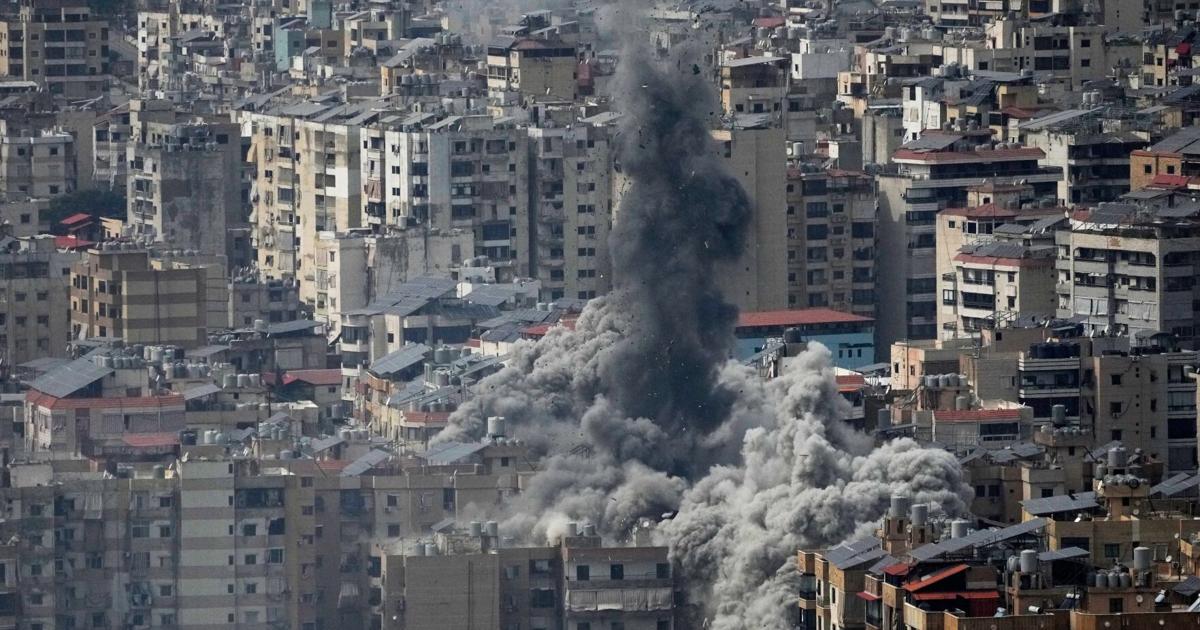
In a dramatic and unprecedented move, Iran has named Mojtaba Khamenei as its new Supreme Leader following the killing of his father, long-time ruler Ali Khamenei, in a series of U.S.- and Israeli-led airstrikes that have escalated conflict across the Middle East. The announcement, confirmed by Iran’s Assembly of Experts on Sunday, marks a rare hereditary succession in the Islamic Republic, placing Mojtaba at the helm of the nation’s military, judiciary, and foreign policy during one of its most volatile periods in decades.
At 56, Mojtaba has long held influential roles within Iran’s religious and political hierarchy, particularly through his ties with the Islamic Revolutionary Guard Corps (IRGC). Analysts say these connections were pivotal in securing his rapid elevation, as hard-line factions within the regime sought to maintain continuity and consolidate power amid regional instability. State media hailed the new leader as the “guardian of the sacred Islamic system,” emphasizing unity and stability while underscoring the regime’s determination to pursue its existing policies.
The transition has drawn immediate international attention and concern. U.S. officials condemned the appointment, warning that the new leadership could further inflame tensions in the region. Israel also rejected the succession, reiterating its stance against Iran’s military ambitions and signaling continued regional volatility. Observers note that Mojtaba’s rise represents a hardening of Iran’s internal power structures, with little indication of reform or moderation, even as the country faces economic challenges and ongoing foreign pressure.
Domestically, Iran’s military and political elite rallied behind the new Supreme Leader, calling for national unity in the face of external threats. However, the unusual hereditary nature of the succession has sparked debate among citizens and analysts, raising questions about the future direction of governance in a system traditionally dominated by clerical consensus rather than family lineage.
The appointment comes at a critical time, as Iran navigates the immediate aftermath of its leader’s assassination, escalating regional conflict, and increasing isolation on the world stage. Mojtaba Khamenei now faces the daunting task of asserting authority, maintaining cohesion among powerful factions, and steering the country through a period of unprecedented uncertainty.
As Iran enters this new chapter under its third Supreme Leader, global eyes remain fixed on Tehran. The decisions Mojtaba makes in the coming weeks will not only shape Iran’s domestic and foreign policy but could also determine the trajectory of stability and conflict across the Middle East.