




Global Tensions Rise as Strait of Hormuz Becomes Flashpoint in Middle East Crisis
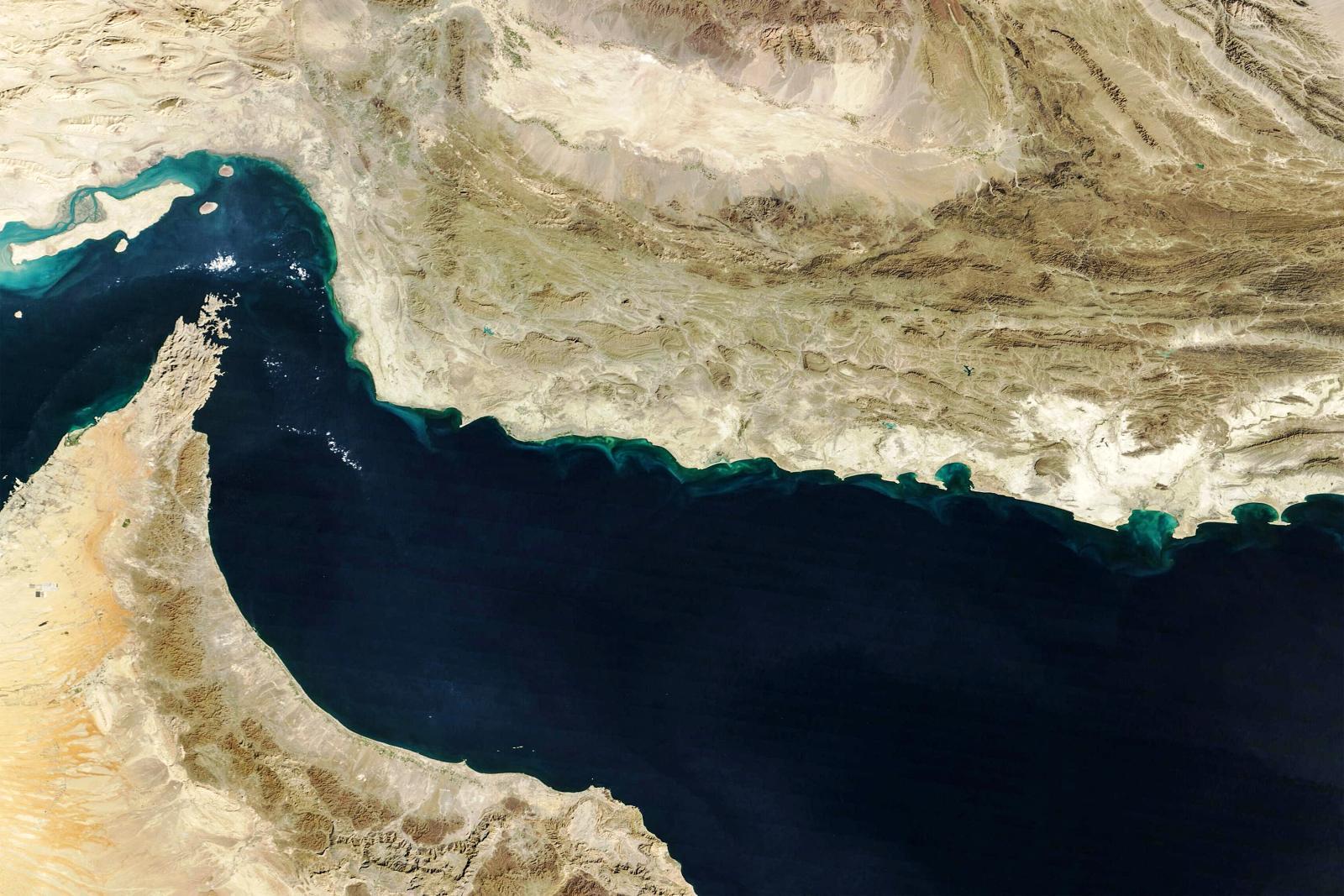
The Strait of Hormuz, one of the world’s most strategically significant maritime chokepoints, has once again become a center of global attention amid rising tensions in the Middle East. The narrow waterway, situated between Oman and Iran, connects the Persian Gulf with the Gulf of Oman and the Arabian Sea. It is a vital route for international oil shipments, and any disruption in its waters could have serious consequences for global energy markets and trade.
At its narrowest point, the strait is only about 21 miles wide, with designated shipping lanes that allow vessels to move in both directions. Despite its small size, it carries roughly 20 to 30 percent of the world’s seaborne oil exports every day. Major oil-producing countries, including Saudi Arabia, Iraq, Kuwait, and the United Arab Emirates, rely on the strait to transport crude to international markets. Analysts have repeatedly warned that even short-term disruptions could trigger dramatic increases in oil prices and create widespread economic instability.
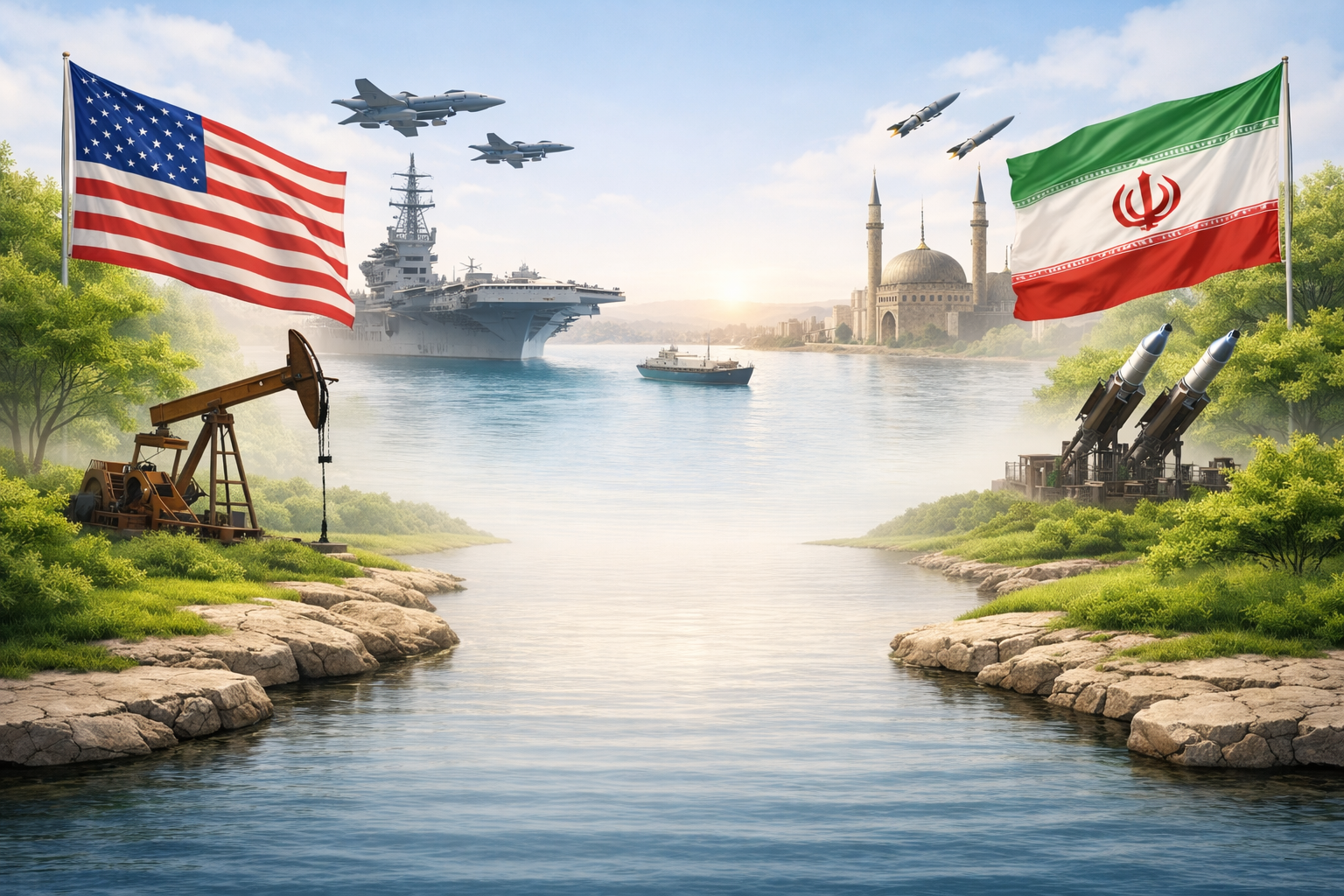
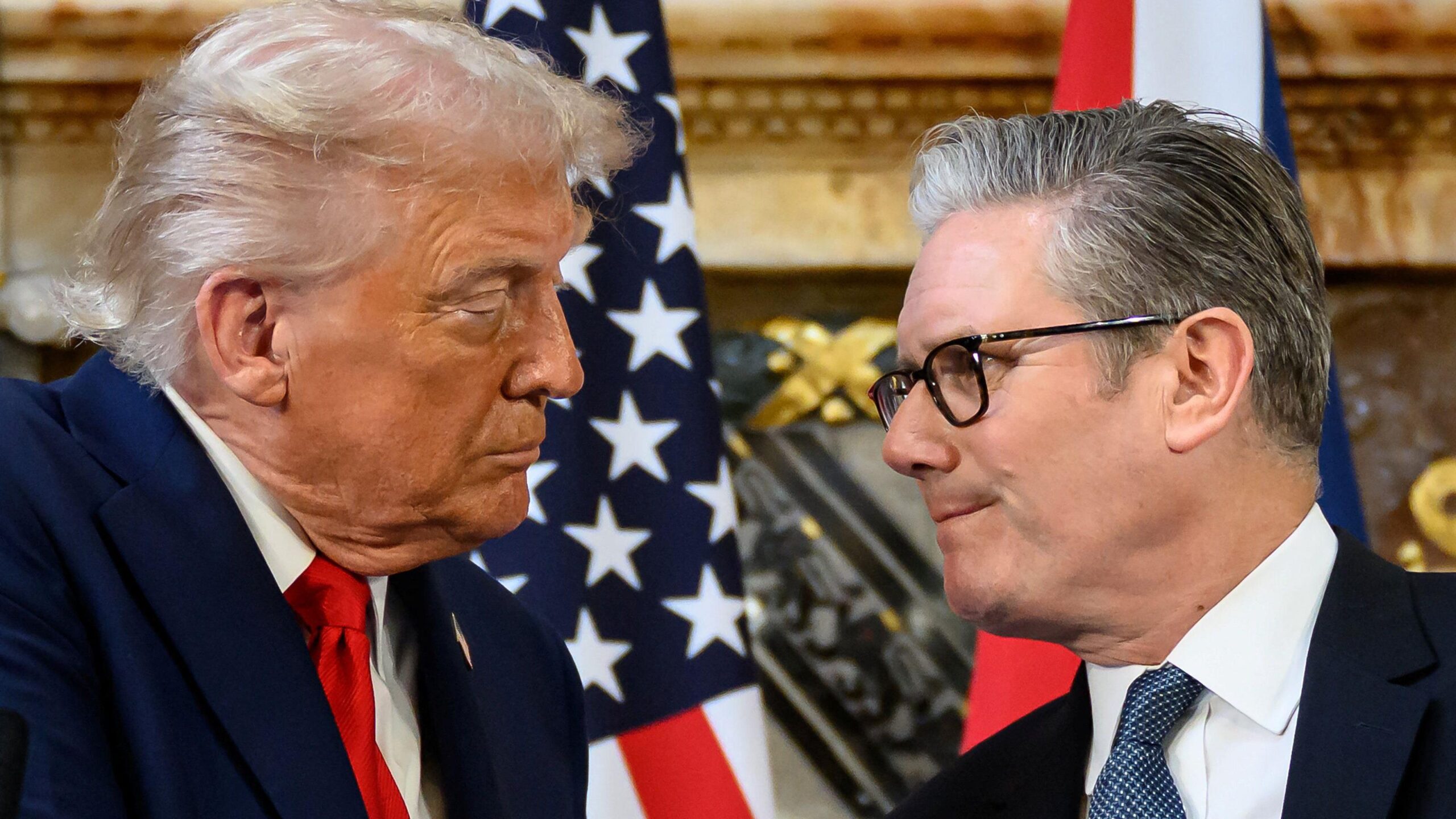
Recent developments have heightened international concern. Iran has increased military activity along the strait, while the United States and allied nations, including the United Kingdom, have deployed naval forces to ensure safe passage for commercial vessels. These measures are aimed at protecting shipping lanes from potential threats, but experts warn that a stronger military presence could inadvertently escalate tensions and lead to conflict.
Diplomatic efforts are ongoing to prevent the situation from spiraling out of control. The United Nations has called on all parties to exercise restraint and respect international law, emphasizing the importance of maintaining open and secure trade routes. Regional governments and international organizations are also urging dialogue and negotiation to reduce the risk of further confrontation.
The economic implications of a disruption in the Strait of Hormuz are considerable. Any blockage or attack on commercial shipping could significantly impact global energy supplies, pushing fuel prices higher and affecting industries dependent on petroleum. Shipping insurance rates have already increased for vessels operating in the area, reflecting concern about heightened risks.
Historically, the strait has been a flashpoint for geopolitical rivalry, and its strategic importance remains unchanged. It is a key measure of regional stability in the Middle East, and developments here are closely monitored by global leaders, energy markets, and international security agencies. With tensions continuing to rise, the Strait of Hormuz serves as both a vital commercial passage and a potential trigger for wider geopolitical conflict.
As countries continue to navigate the delicate balance between security and diplomacy, the international community faces a pressing challenge: ensuring the free flow of commerce while preventing escalation in one of the world’s most sensitive maritime regions.