






India’s Supreme Court Allows Withdrawal of Life Support in Landmark Passive Euthanasia Case
India’s Supreme Court has approved the withdrawal of life support for a man who has remained in a vegetative state for over a decade, marking a significant moment in the country’s legal framework on end-of-life care. The ruling represents the first formal application of India’s passive euthanasia guidelines for an individual patient.
The case concerns 32-year-old Harish Rana, who has been in a persistent vegetative state since 2013 following a severe brain injury sustained in a fall. His parents petitioned the Supreme Court after years of providing round-the-clock care, arguing that continued life support merely prolonged biological existence without hope of recovery.
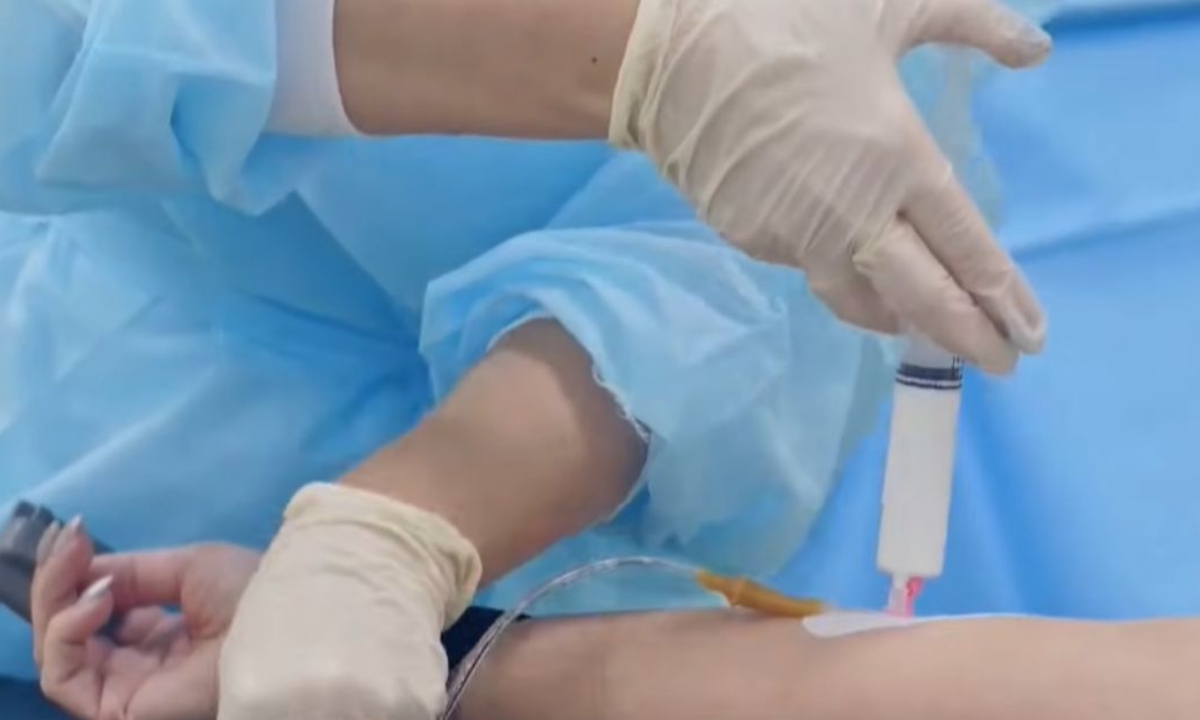
In its verdict, the court emphasized that withdrawing artificial nutrition and hydration, which constitutes medically assisted life support, is legally permissible under India’s passive euthanasia guidelines. Medical professionals at the All India Institute of Medical Sciences (AIIMS) in New Delhi have been instructed to supervise the procedure to ensure ethical standards are strictly maintained and the patient’s dignity is respected.
Legal experts note that this case sets an important precedent for the application of passive euthanasia in India. While the Supreme Court recognized passive euthanasia in 2018, no individual patient had previously been formally approved to discontinue life support under judicial oversight. The decision highlights evolving views on patient autonomy, end-of-life rights, and the right to die with dignity under Article 21 of the Indian Constitution.
The ruling has sparked national debate on medical ethics and legislative safeguards. Advocates argue that clear laws are needed to guide families and doctors in navigating complex end-of-life decisions, while critics stress the importance of rigorous oversight to prevent potential misuse.
For Harish Rana’s family, the decision brings an end to years of emotional and financial strain. The case serves as a landmark reference point for doctors, families, and policymakers grappling with difficult questions about life, death, and dignity in modern healthcare.