







Europe Faces Energy Crisis and Considers Nuclear Revival as Prices Soar
Europe is confronting a new energy shock as rising prices and supply uncertainties prompt urgent debate over the future of the continent’s power generation. Geopolitical tensions affecting oil and gas flows have exposed vulnerabilities in Europe’s energy infrastructure, leaving governments to weigh short-term relief measures against long-term solutions.
Many European Union countries rely heavily on imported energy, making them particularly sensitive to global disruptions. The recent spike in energy costs has triggered widespread concern over household bills, industrial competitiveness, and national energy security. Governments are now examining whether returning to nuclear power could provide a stable, low-carbon source of electricity capable of buffering against future shocks.
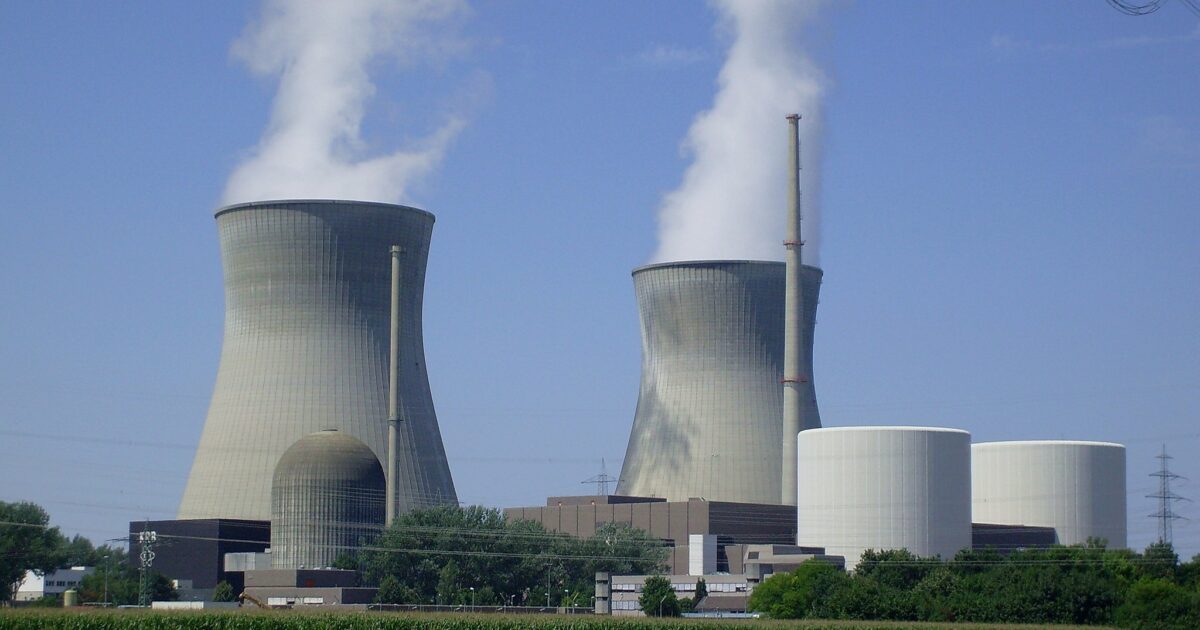
Nuclear energy, once a major component of European electricity generation, has declined in several countries due to safety concerns and a political shift toward renewable sources. However, leaders in nations such as France and Germany are revisiting the potential role of nuclear power. France, which already generates a significant portion of its electricity from nuclear reactors, has reinforced policies to maintain existing plants while exploring new reactor technologies. Other countries, including Italy, Spain, and Denmark, are studying advanced nuclear options, such as small modular reactors and fusion research, supported by European Commission funding initiatives.
Experts caution that nuclear energy is not a short-term solution. Building new plants requires years of planning, high upfront costs, and careful management of safety and waste disposal. Critics argue that Europe should also focus on accelerating wind, solar, and energy storage deployment, upgrading grids, and implementing measures to reduce fossil fuel demand.
Meanwhile, economic pressures are mounting. Several EU countries are considering emergency measures, such as windfall taxes on energy company profits, to protect consumers from rising costs. Households and businesses alike are feeling the impact, increasing the urgency for governments to stabilize markets while planning for sustainable energy security.
The debate over nuclear revival underscores a broader challenge facing Europe: balancing immediate relief with strategic, long-term energy planning. As policymakers weigh economic, environmental, and technological considerations, the outcome could reshape Europe’s energy landscape for decades, determining how the continent navigates global volatility while striving for independence, sustainability, and reliability.