










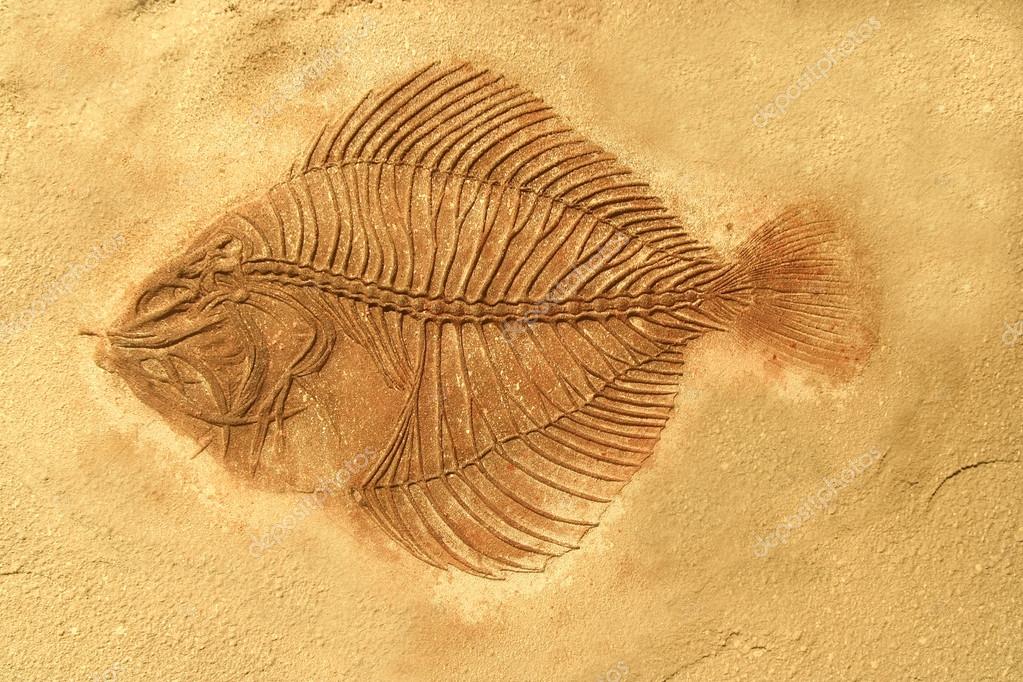
Palaeontologists discover 4.5-million-year-old rare gourami fossil
A team of palaeontologists has discovered a remarkably well-preserved fossil of a rare gourami fish dating back around 4.5 million years, offering new insights into the evolution of freshwater species in Asia.
The discovery was made during an excavation in a sedimentary rock formation believed to be from the late Neogene period. Researchers say the fossil shows unusually clear anatomical features, including fin structure and body shape, allowing scientists to identify it as an early relative of modern gourami fish.
Gouramis are a group of freshwater fish commonly found today in South and Southeast Asia. The newly discovered fossil suggests that their ancestors were already widely distributed millions of years ago, surviving in ancient lake and river systems that have since disappeared.
Scientists involved in the study said the level of preservation is rare for fish fossils of this age. Soft tissue impressions and skeletal details provide valuable clues about how the species adapted to freshwater environments over time.
The research team believes the findings could help fill gaps in understanding how tropical freshwater ecosystems evolved. It may also shed light on how climate and geological changes influenced the distribution of fish species across the region.
Experts say the discovery highlights the importance of fossil sites in reconstructing ancient biodiversity. Each find contributes to a clearer picture of how modern species developed from their prehistoric ancestors.
Further analysis is underway to compare the fossil with existing gourami species and determine its exact evolutionary position. Researchers also plan to study the surrounding rock layers to better understand the environment in which the fish lived.
The discovery adds to a growing body of evidence that Southeast Asia played a significant role in the evolution of freshwater fish diversity.
Scientists say more fossils may still be hidden in the region, and continued excavation work could lead to further breakthroughs in understanding prehistoric aquatic life.