









Atlantic current warning, court ruling and wildlife decline highlight growing climate concerns
Major climate developments on 19 April 2026 underline intensifying environmental risks and the growing legal and ecological challenges linked to global warming.
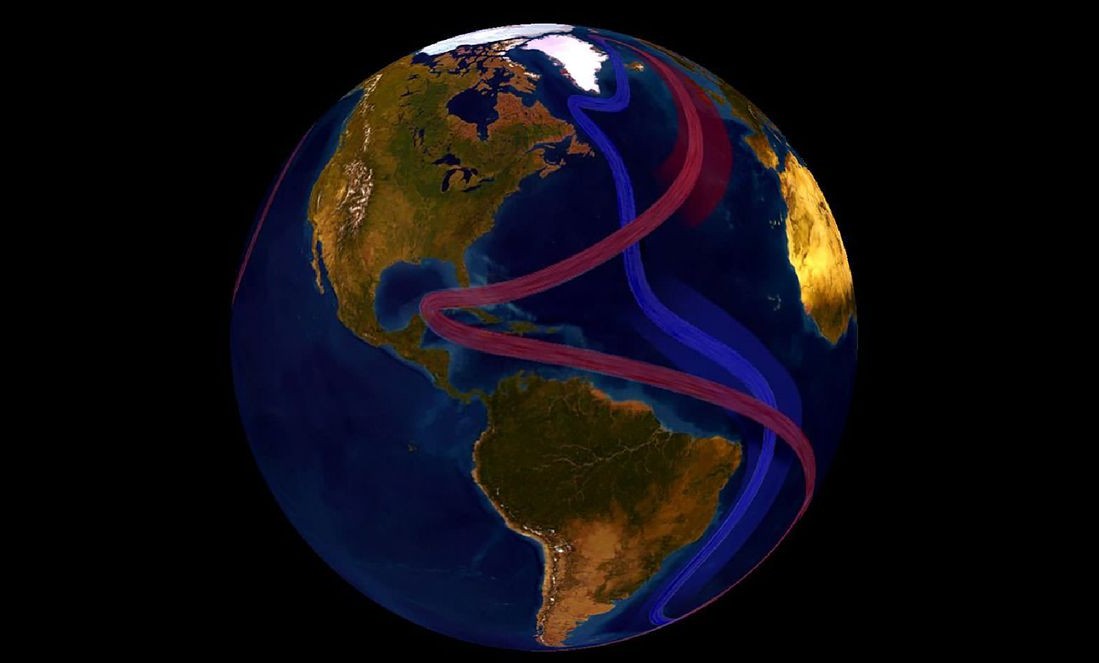
Scientists are raising fresh concerns about the stability of the Atlantic Meridional Overturning Circulation, a crucial system of ocean currents that helps regulate temperatures across Europe and beyond. New research suggests it may be approaching a dangerous tipping point, which could lead to severe disruptions in weather patterns, including colder conditions in parts of Europe, rising sea levels along the U.S. east coast and broader impacts on global climate systems. Experts warn that while uncertainty remains over timing, the potential consequences of a collapse would be profound and long-lasting.
In the United States, a court ruling in Louisiana has delivered a significant setback to environmental efforts aimed at holding oil and gas companies accountable for coastal damage. The decision favours energy firms in lawsuits that sought compensation for land loss and environmental degradation linked to decades of industrial activity. The outcome is likely to influence similar legal battles and raises questions about how responsibility for climate-related damage will be addressed in the future, particularly in vulnerable coastal regions.
Meanwhile, conservationists in the United Kingdom are warning of a sharp decline in biodiversity, with more than half of the country’s butterfly species now in long-term decline. Scientists link the سقوط to habitat loss, changing weather patterns and rising temperatures, all of which are altering ecosystems and threatening fragile species. Butterflies are widely regarded as key indicators of environmental health, and their decline is seen as a broader signal of stress within natural systems.
Together, these stories reflect a widening climate challenge that spans scientific, legal and ecological fronts. From the risk of large-scale ocean system disruption to setbacks in environmental accountability and visible impacts on wildlife, the latest headlines point to a deepening global crisis that is becoming harder to ignore.