









European stocks set to slump as Gulf tanker attacks threaten ceasefire stability
European stock markets are expected to open sharply lower as renewed attacks on commercial tankers in the Gulf raise fears that a fragile ceasefire in the Middle East may be collapsing, reigniting uncertainty across global financial markets.
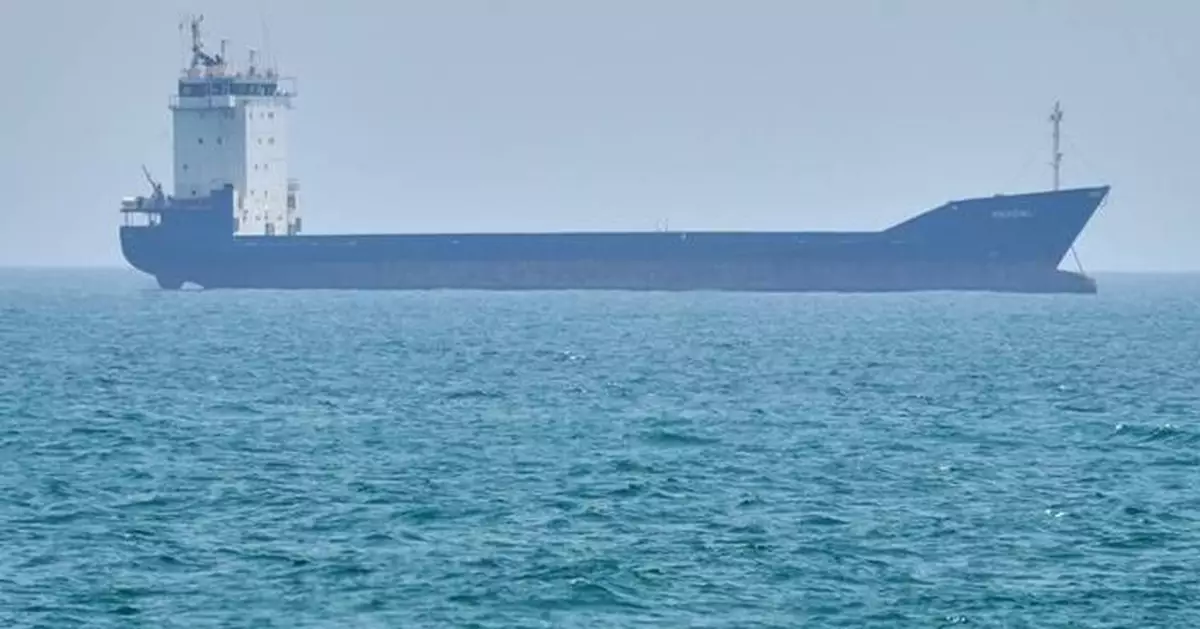
The renewed disruption in shipping routes near the Strait of Hormuz — one of the world’s most critical energy and trade chokepoints — has triggered a wave of risk aversion among investors. The escalation comes amid already heightened tensions between the United States and Iran, where recent naval confrontations and vessel seizures have unsettled global markets.
Futures tied to major European indices pointed downward in early trading, with analysts warning that renewed instability in maritime routes could hit both energy supply chains and corporate earnings expectations across the continent. Shipping insurers have reportedly raised risk premiums further, adding to cost pressures for global trade.
The latest developments follow weeks of volatility in which markets have swung sharply on headlines surrounding ceasefire talks, naval operations, and temporary openings and closures of key shipping lanes. Any disruption to flows through the Strait of Hormuz has historically had immediate knock-on effects on investor sentiment, particularly in export-heavy European economies.
Traders are also closely watching whether the ceasefire framework between regional powers can hold, with diplomats warning that recent incidents involving tanker attacks could derail ongoing negotiations entirely.
The uncertainty has placed additional pressure on already fragile market confidence, with investors rotating into safer assets as geopolitical risks intensify. Analysts say the situation is becoming increasingly binary for markets — either a sustained de-escalation that restores shipping stability, or a renewed cycle of disruption that could deepen global economic volatility.
For now, European markets are bracing for a weak opening as geopolitical risk once again takes centre stage in global finance.